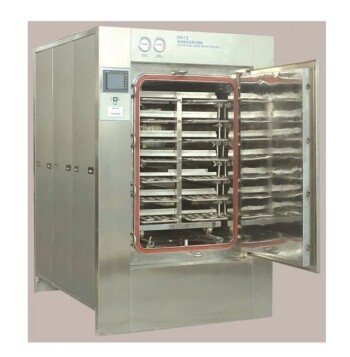
Laboratory autoclave maintenance requires a multi-layered inspection schedule that combines daily operator diligence with scheduled administrative oversight. The recommended frequency dictates that operators inspect the unit before every use, while a designated responsible party must conduct a basic visual inspection monthly. Furthermore, periodic professional inspections by the manufacturer or an authorized service provider are essential to maintain operational standards.
Effective autoclave management relies on a strict hierarchy of responsibility: operators manage daily safety, administrators handle monthly verification, and certified professionals ensure long-term mechanical integrity.
Establishing the Inspection Frequency
To ensure safety and equipment longevity, you must adhere to a three-tier inspection schedule.
Pre-Use Inspections
The operator is the first line of defense against equipment failure. Before each use, the operator must perform an inspection of the unit. This routine check ensures that obvious issues, such as door seal damage or debris, are identified before the machine is pressurized.
Monthly Visual Checks
A broader oversight mechanism is required to catch issues that daily operators might miss due to routine habituation. A designated responsible party implies a lab manager or safety officer. This individual must perform a basic visual inspection on a monthly basis to verify general condition and cleanliness.
Periodic Professional Maintenance
Internal staff should not attempt complex mechanical diagnostics. Periodic professional inspections are mandatory. These must be performed exclusively by the manufacturer or an authorized service provider to ensure compliance with technical specifications.
Defining the Protocol
Frequency is useless without a rigorous method. You must standardize how inspections are performed to ensure consistency across different operators.
Utilization of Standardized Checklists
Reliability decreases when inspections rely on memory. Operators should follow a standardized checklist for every inspection. This ensures that critical safety points are reviewed systematically rather than haphazardly.
Adherence to Manufacturer Documentation
Generic lab protocols are often insufficient for specific machinery. You must strictly adhere to the manufacturer's procedural and instructional documentation. These documents provide the definitive guidelines for your specific model's operation and safety features.
Common Pitfalls to Avoid
While the schedule seems straightforward, there are specific trade-offs and errors that can compromise the system.
The Risk of Informal Checks
A common mistake is treating the "pre-use" inspection as a casual glance. Without the standardized checklist mentioned above, operators may overlook subtle signs of wear, leading to preventable failures.
Over-reliance on Service Providers
Some laboratories make the error of relying solely on the periodic professional inspection. Professional service is intended to supplement, not replace, the daily and monthly checks performed by lab staff.
Making the Right Choice for Your Lab
To implement this protocol effectively, align your actions with your specific safety and operational goals.
- If your primary focus is immediate operator safety: strict enforcement of the pre-use checklist is the single most effective measure you can implement today.
- If your primary focus is long-term compliance and longevity: schedule the monthly visual inspections with a responsible party and book your periodic professional service in advance.
Consistency in these protocols is the only way to ensure valid results and a safe laboratory environment.
Summary Table:
| Inspection Tier | Frequency | Responsible Party | Key Focus Areas |
|---|---|---|---|
| Pre-Use Check | Before every cycle | Operator | Door seals, debris, and basic safety |
| Visual Inspection | Monthly | Lab Manager/Safety Officer | General condition and cleanliness |
| Professional Service | Periodic (as per manual) | Manufacturer/Authorized Tech | Mechanical diagnostics and calibration |
| Documentation | Continuous | All Staff | Adherence to checklists and manuals |
Maximize Lab Safety with KINTEK’s High-Pressure Solutions
Don't let equipment failure compromise your research. KINTEK provides industry-leading high-temperature high-pressure reactors, autoclaves, and sterilization tools designed for reliability and compliance. Whether you need robust laboratory equipment or high-performance consumables like ceramics and PTFE products, our experts help you maintain a seamless and safe workflow.
Ready to upgrade your laboratory’s precision and safety?
Contact KINTEK Today to consult with our technical team about our comprehensive range of autoclaves, furnaces, and material processing systems.
Related Products
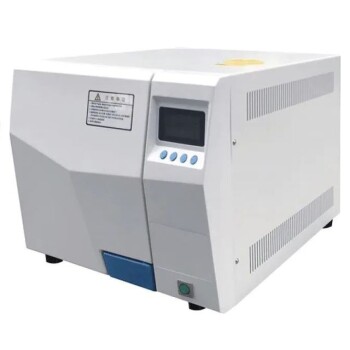
- Desktop Fast Laboratory Autoclave Sterilizer 20L 24L for Lab Use
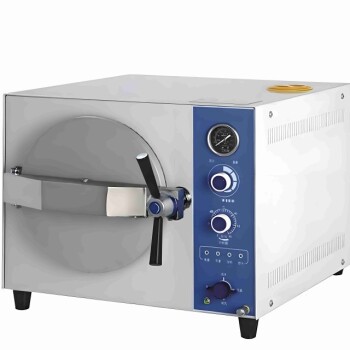
- Desktop Fast High Pressure Laboratory Autoclave Sterilizer 16L 24L for Lab Use
- Portable High Pressure Laboratory Autoclave Steam Sterilizer for Lab Use
- Portable Digital Display Automatic Laboratory Sterilizer Lab Autoclave for Sterilization Pressure
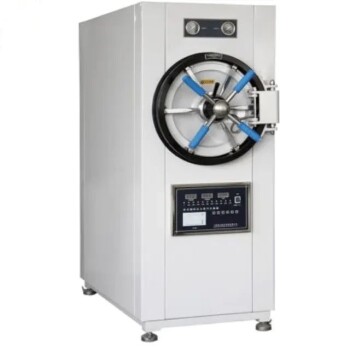
- Desktop Fast Laboratory Autoclave Sterilizer 35L 50L 90L for Lab Use
People Also Ask
- What are the two types of autoclave used in the laboratory? Gravity vs. Pre-Vacuum Explained
- What is a laboratory autoclave? A Guide to Sterilization with Pressurized Steam
- What precautions should be taken during autoclave in laboratory? A Complete Safety Guide to Prevent Burns and Explosions
- What extreme conditions does a laboratory autoclave simulate? Testing Wear Resistance of Nuclear Fuel Cladding
- What role does a laboratory autoclave play in HEA corrosion research? Key to Validating Advanced Reactor Materials