The role of an industrial crushing system is effectively that of a mechanical catalyst within the pretreatment stage of modified bentonite. By utilizing mechanical force to pulverize natural minerals, this system physically alters the raw material to prepare it for chemical processing.
Core Insight: The crushing system does not merely reduce particle size; it unlocks the mineral's chemical potential. By drastically increasing the specific surface area, it ensures that chemical reagents can penetrate the bentonite's internal structure, a prerequisite for successful modification.
The Mechanics of Pretreatment
Applying Mechanical Force
The fundamental operation of the industrial crushing system involves the application of intense mechanical force. This physical stress is directed at natural mineral deposits to break them down from their raw, coarse state into fine particulates.
Increasing Specific Surface Area
The direct output of this pulverization is a significant increase in the material's specific surface area. This physical transformation is the critical bridge between the raw mineral state and the subsequent chemical reactions.
Enabling Chemical Modification
Facilitating Intercalation Reactions
The expanded surface area created by crushing is essential for intercalation reactions. Without this physical preparation, the chemical processes required to modify the bentonite cannot occur efficiently.
Enhancing Reagent Penetration
Modified bentonite relies on the ability of chemical reagents to access the mineral's internal architecture. The crushing process opens up the material, allowing reagents to penetrate the interlayer structure of the bentonite deeply and uniformly.
Driving Modification Efficiency
Ultimately, the crushing system acts as a multiplier for process performance. By ensuring deep reagent penetration, it significantly enhances the overall modification efficiency, ensuring the final product meets required specifications.
Critical Process Dependencies
The Cost of Insufficient Surface Area
If the crushing process fails to generate adequate surface area, the downstream chemical reactions will suffer. Reagents will remain on the exterior rather than entering the interlayer structure, rendering the modification incomplete.
The Link to Reaction Quality
The relationship between particle size and reaction quality is direct. You cannot compensate for poor physical pretreatment with more chemicals; the mechanical pulverization is a non-negotiable requirement for the reagents to work effectively.
Making the Right Choice for Your Goal
To ensure your modified bentonite process is effective, consider these factors regarding the crushing stage:
- If your primary focus is Chemical Efficiency: Ensure your crushing system is calibrated to maximize specific surface area, as this directly dictates how well reagents penetrate the interlayer structure.
- If your primary focus is Product Consistency: Prioritize the uniformity of the pulverization to guarantee that intercalation reactions occur evenly throughout the entire batch.
The industrial crushing system is the key that unlocks the internal structure of bentonite, transforming it from a raw rock into a reactive chemical substrate.
Summary Table:
| Process Stage | Function of Crushing System | Impact on Modification |
|---|---|---|
| Physical Pretreatment | Mechanical pulverization of raw minerals | Drastically increases specific surface area |
| Chemical Activation | Facilitates intercalation reactions | Enables deep reagent penetration into interlayer structures |
| Quality Control | Ensures particle uniformity | Guarantees consistent chemical reaction quality across batches |
| Efficiency Optimization | Unlocks internal mineral architecture | Maximizes modification speed and reagent utilization |
Maximize Your Material Potential with KINTEK Precision Systems
Is your pretreatment process limiting your chemical modification efficiency? KINTEK specializes in high-performance crushing and milling systems and sieving equipment designed to unlock the chemical potential of raw minerals like bentonite.
Our comprehensive laboratory solutions—ranging from high-temperature furnaces and hydraulic presses to high-pressure reactors and PTFE consumables—empower researchers and industrial manufacturers to achieve superior product consistency and reaction quality. Don't let insufficient surface area bottleneck your production.
Ready to optimize your lab's workflow? Contact KINTEK today to discover how our expert-grade equipment can transform your material processing outcomes!
References
- Teuku Rihayat, Tezara Cionita. Investigation of Polyurethane Primer Coating Paint Based on Local Palm Oil with Antimicrobial and Anticorrotion Agent Formula Bentonite-Chitosan. DOI: 10.61972/cetics.v1i2.15
This article is also based on technical information from Kintek Solution Knowledge Base .
Related Products
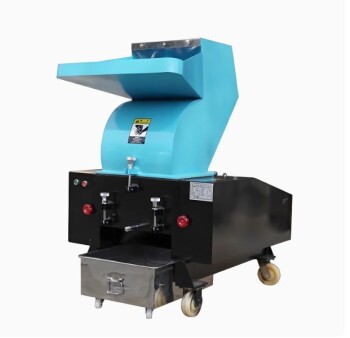
- Powerful Plastic Crusher Machine
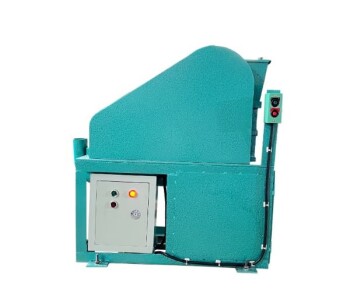
- Sealed Jaw Crusher High Efficiency Environmental Protection Safe and Reliable
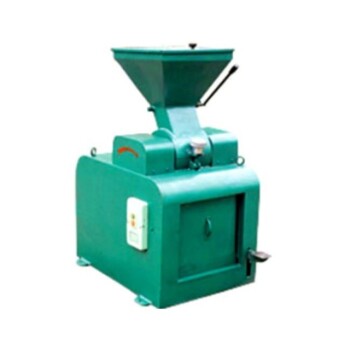
- Laboratory Jaw Crusher
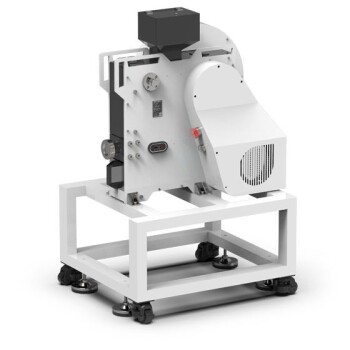
- Laboratory Sealed Hammer Crusher for Efficient Sample Preparation
People Also Ask
- What is the primary purpose of using an industrial-grade grinder for flax straw? Optimize Biomass Pretreatment Now
- What is the primary function of a crushing system? Optimize Rice Husk Fractionation with Precise Size Reduction
- What is the primary function of industrial crushers in battery dismantling? Optimize Your Recovery Feedstock
- What are the contaminants in plastic pyrolysis oil? Manage Impurities for Commercial Success
- Why is it necessary to use an ultrasonic cell disruptor before yeast flow cytometry? Ensure Data Accuracy