The adoption of ceramic materials like silicon carbide (SiC) and alumina (Al2O3) represents a fundamental shift in the engineering of electric cracking reactors. Their primary significance lies in their ability to operate at temperatures significantly exceeding 1150°C, a thermal threshold where traditional metal alloys fail, thereby unlocking superior process efficiencies.
By enabling higher operating temperatures and heat fluxes, ceramics significantly reduce reaction residence times. This shift is critical for maximizing olefin selectivity while ensuring equipment survives the corrosive intensity of industrial cracking.
Breaking the Thermal Barrier
Surpassing Traditional Limits
Standard metal alloys have a functional ceiling around 1150°C. Next-generation reactors require temperatures beyond this to optimize performance.
Enabling High-Temperature Operations
Ceramics such as silicon carbide and alumina are engineered to maintain structural integrity well above this 1150°C threshold. This capability allows operators to push thermal boundaries that were previously impossible with metallic components.
Optimizing Reaction Kinetics
Increasing Heat Flux
The ability to withstand extreme temperatures allows for significantly higher heat fluxes within the reactor. This means energy is transferred to the reactants much more rapidly.
Reducing Residence Time
High heat flux leads to a critical operational advantage: shorter reaction residence times. Reactants are processed faster, reducing the duration they are exposed to the cracking environment.
Improving Olefin Selectivity
The direct result of shorter residence times is improved olefin selectivity. By strictly controlling the time reactants spend in the heat zone, the system maximizes the yield of high-value olefins rather than unwanted byproducts.
Engineering for Longevity
Chemical Stability
The environment inside a cracking reactor is chemically aggressive. Ceramics provide excellent chemical stability, resisting degradation where other materials might react or break down.
Resistance to Corrosion and Wear
In addition to thermal resistance, SiC and Al2O3 offer exceptional defense against corrosion and wear. This durability is essential for maintaining consistent operation in the harsh physical conditions of industrial cracking.
Understanding the Trade-offs
The Limitations of Metal Alloys
The primary trade-off discussed in this context is the performance cap imposed by traditional materials. Sticking with metal alloys limits your process temperature to under 1150°C.
The Cost of Performance
While metals may be familiar, they prevent the realization of higher heat fluxes. To achieve superior olefin yields, one must accept the shift away from standard metallurgy toward these advanced, albeit different, ceramic systems.
Making the Right Choice for Your Goal
Advanced ceramics are not just a material swap; they are an enabler for high-performance processing.
- If your primary focus is Maximizing Yield: Prioritize ceramics to enable higher temperatures and shorter residence times, which directly improve olefin selectivity.
- If your primary focus is Equipment Durability: Leverage the chemical stability of SiC and Al2O3 to combat corrosion and wear in extreme environments.
Ceramics provide the necessary thermal headroom to transform cracking from a heat-limited process into a high-efficiency operation.
Summary Table:
| Feature | Traditional Metal Alloys | Advanced Ceramics (SiC/Al2O3) |
|---|---|---|
| Temperature Limit | Max ~1150°C | Exceeds 1150°C |
| Heat Flux | Moderate | High/Superior |
| Residence Time | Longer | Significantly Shorter |
| Olefin Selectivity | Lower | Optimized/Higher |
| Durability | Vulnerable to corrosion at peak heat | High Chemical & Wear Resistance |
Revolutionize Your Industrial Cracking Efficiency with KINTEK
Transitioning to next-generation electric cracking requires materials that can withstand the most extreme thermal and chemical environments. At KINTEK, we specialize in high-performance laboratory equipment and advanced materials designed for the future of energy and chemical processing.
Whether you need customized ceramic components like SiC and Al2O3, high-temperature furnaces, or specialized reaction systems, our team delivers the precision tools required to maximize your olefin yield and process longevity.
Ready to push past the 1150°C barrier? Contact us today to learn how our ceramics and high-temperature reactors can transform your laboratory or industrial operations.
References
- Ismaël Amghizar, Kevin M. Van Geem. Sustainable innovations in steam cracking: CO<sub>2</sub> neutral olefin production. DOI: 10.1039/c9re00398c
This article is also based on technical information from Kintek Solution Knowledge Base .
Related Products
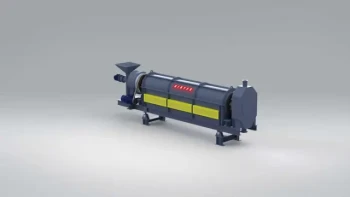
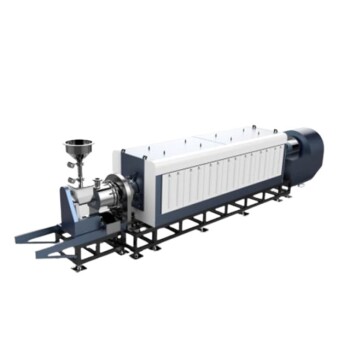
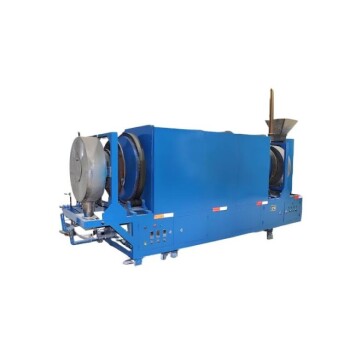
- Electric Rotary Kiln Small Rotary Furnace for Activated Carbon Regeneration
- Electric Rotary Kiln Small Rotary Furnace Biomass Pyrolysis Plant
- Laboratory Scientific Electric Heating Blast Drying Oven
- Electric Rotary Kiln Continuous Working Small Rotary Furnace Heating Pyrolysis Plant
- Customizable Laboratory High Temperature High Pressure Reactors for Diverse Scientific Applications
People Also Ask
- What is a rotary kiln electric furnace? Achieve Superior Uniform Heating for Your Materials
- What is the temperature of activated carbon regeneration? Unlock the 1000°F Process for Reuse
- What is the regeneration temperature of activated carbon? Optimize Your Process with the Right Method
- What are the characteristics of the slipping, slumping, and rolling modes of bed motion? Optimize Your Rotary Process
- What are the parts of a carbon regeneration kiln? A Guide to Its Core Components and Function