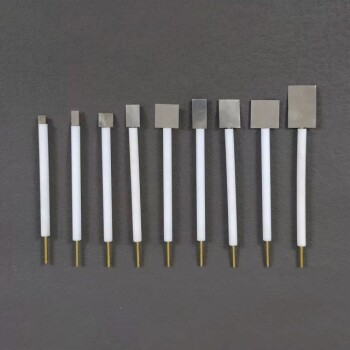
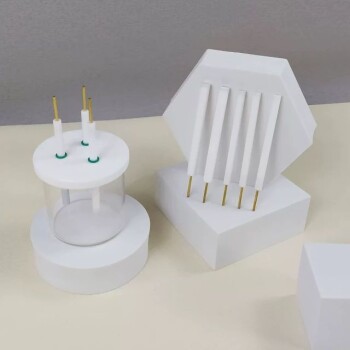
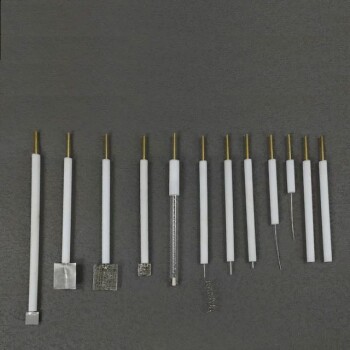
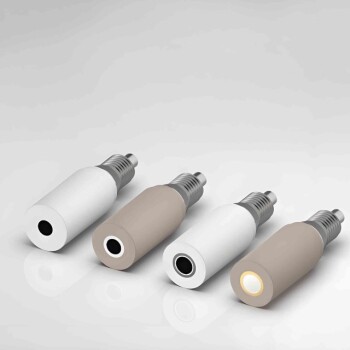
The selection of a counter electrode is a defining factor in film quality. In the synthesis of Bi2O3-GO thin films, a platinum electrode is significant because of its dual characteristics of high chemical stability and superior electrical conductivity. It completes the circuit with the working electrode to facilitate the necessary current flow, all while remaining chemically inert to prevent the release of impurities into the electrolyte.
The platinum electrode functions as a highly conductive, non-reactive anchor for the electrochemical cell. By supporting high current densities without oxidizing, it preserves the chemical integrity of the electrolyte and ensures a stable, predictable deposition process.
The Mechanics of Electrochemical Stability
Preserving Electrolyte Purity
The primary function of the platinum counter electrode is to maintain the chemical purity of the solution.
During the electrodeposition process, the counter electrode must resist breaking down. Platinum does not release impurity ions into the electrolyte, ensuring that the Bi2O3-GO film is formed exactly as intended without contamination.
Completing the Electrochemical Circuit
For deposition to occur, a complete electrical circuit is required between the working electrode and the counter electrode.
Platinum serves this role by effectively closing the loop. Its superior electrical conductivity allows for efficient electron transfer, which is necessary to drive the deposition reaction at the working electrode.
Supporting High Current Flow
The synthesis of thin films often requires specific current densities to achieve the desired morphology.
Platinum is capable of supporting high current flow without degradation. This allows the system to maintain the necessary energy levels for the reaction without the electrode becoming a bottleneck or a failure point.
The Critical Role of Inertness
Preventing Electrode Oxidation
Many metals will oxidize when subjected to the anodic potentials often found at the counter electrode.
Platinum is chosen specifically because it resists this oxidation. An electrode that oxidizes would not only degrade physically but would also alter the electrochemical potential of the cell, leading to inconsistent results.
Ensuring Reaction Stability
A stable reaction environment is crucial for uniform film growth.
By remaining chemically inert, the platinum electrode ensures that the deposition reaction remains stable over time. This stability allows for precise control over the thickness and composition of the Bi2O3-GO thin films.
Understanding the Risks of Alternatives
While the primary reference focuses on the benefits of platinum, it is important to understand the implied downside of using non-inert alternatives.
The Risk of Electrolyte Contamination
If a less stable metal were used as a counter electrode, it would likely undergo anodic dissolution.
This releases metal ions into the bath, which would then co-deposit with your Bi2O3-GO film. This contamination creates structural defects and alters the physical properties of the final product.
Instability in Current Application
A degrading electrode changes its surface area and resistance over time.
This fluctuation makes it impossible to maintain a constant current or voltage. Using a material with lower stability than platinum introduces variables that compromise the reproducibility of your synthesis.
Ensuring Success in Your Deposition Strategy
To guarantee the highest quality Bi2O3-GO thin films, your setup must prioritize chemical inertness.
- If your primary focus is Film Purity: Rely on platinum to prevent the introduction of foreign ions that could degrade the electronic or optical properties of the film.
- If your primary focus is Process Consistency: Use platinum to ensure the current flow remains stable and the electrode surface does not degrade during high-energy deposition.
Ultimately, the use of platinum is not just a preference but a technical necessity for isolating the deposition process from environmental variables.
Summary Table:
| Feature | Significance in Bi2O3-GO Synthesis | Impact on Thin Film Quality |
|---|---|---|
| Chemical Inertness | Prevents anodic dissolution and ion release | Ensures high purity; no metal contamination |
| High Conductivity | Facilitates efficient electron transfer | Maintains stable deposition rates and current |
| Oxidation Resistance | Remains stable under anodic potentials | Prevents electrode degradation and cell instability |
| Current Support | Handles high current densities | Enables precise control over film morphology |
| Process Stability | Eliminates environmental variables | Ensures reproducible thickness and composition |
Elevate Your Electrochemical Research with KINTEK Precision
Achieve uncompromising purity and consistency in your thin film synthesis. KINTEK specializes in high-performance laboratory equipment, providing the platinum electrodes and electrolytic cells necessary for advanced material deposition. Beyond electrochemical tools, our comprehensive portfolio includes high-temperature furnaces (vacuum, CVD, PECVD), high-pressure reactors, and precision hydraulic presses to support every stage of your lab's workflow.
Ready to optimize your Bi2O3-GO thin film production? Contact us today to discover how our specialized laboratory consumables and equipment can enhance your research outcomes.
References
- Fatma Bayrakçeken Nişancı. Controllable Electrochemical Synthesis and Photovoltaic Performance of Bismuth Oxide/Graphene Oxide Nanostructure Arrays. DOI: 10.28979/jarnas.1039429
This article is also based on technical information from Kintek Solution Knowledge Base .
Related Products
- Platinum Sheet Electrode for Laboratory and Industrial Applications
- Platinum Sheet Electrode for Battery Lab Applications
- Rotating Platinum Disk Electrode for Electrochemical Applications
- Platinum Auxiliary Electrode for Laboratory Use
- RRDE rotating disk (ring disk) electrode / compatible with PINE, Japanese ALS, Swiss Metrohm glassy carbon platinum
People Also Ask
- What is a common use for a platinum sheet electrode? As a Reliable Counter Electrode in Electrochemical Cells
- What is the most critical guideline for immersing a platinum sheet electrode in an electrolyte? Ensure Accurate Electrochemical Measurements
- What is the purity of the platinum sheet in a platinum sheet electrode? The Key to Reliable Electrochemical Data
- What is the expected lifespan of a platinum sheet electrode? Maximize Your Electrode's Service Life
- What are the available specifications for platinum sheet electrodes? Find the Perfect Fit for Your Electrochemical Needs