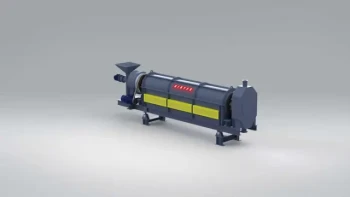
Surface activation equipment acts as the transformative engine in the processing of coal gangue. By subjecting the material to extreme conditions in high-temperature furnaces or chemical reactors, these systems disrupt the raw material's tight crystalline lattice. This physical and chemical alteration is the decisive step that converts inert industrial waste into highly reactive adsorbents or effective catalyst carriers.
Raw coal gangue naturally lacks the internal structure required for advanced chemical processing. Activation equipment solves this by fracturing the material’s density to drastically increase specific surface area, turning a low-value byproduct into a high-performance functional material.
The Mechanics of Structural Transformation
Disrupting the Crystalline Lattice
In its raw state, coal gangue possesses a rigid, tight crystalline structure. This density makes it resistant to chemical interaction and unsuitable for industrial applications.
High-temperature furnaces apply intense thermal energy to break these strong internal bonds. This process effectively "unlocks" the material, preparing it for modification.
Enhancing Porosity
The primary metric for an effective adsorbent or catalyst carrier is its internal capacity.
Activation equipment creates a vast network of pores within the material. This disruption significantly increases the specific surface area, providing more sites for chemical reactions to occur.
Chemical and Functional Modification
Tuning Surface Properties
Beyond physical changes, chemical reactors facilitate essential modifications to the material's surface chemistry.
These changes are necessary to tailor the material for specific tasks. For example, the surface must be tuned to interact specifically with target substances, such as heavy metals.
From Waste to Resource
Without this activation step, coal gangue remains an environmental liability.
The equipment bridges the gap between disposal and utility. It enables the production of materials capable of high-efficiency performance, effectively upcycling industrial waste.
Understanding the Operational Trade-offs
Energy Intensity
The process relies on high-temperature furnaces to achieve the necessary structural disruption.
This implies a requirement for significant energy input. Operators must balance the energy costs of activation against the improved efficiency of the final product.
Structural Integrity Risks
While increasing porosity is the goal, the process involves breaking down the material's natural strength.
There is a balance to be struck during activation. Excessive disruption can weaken the carrier, potentially making it too fragile for rigorous industrial use.
Making the Right Choice for Your Goal
To obtain the best results from coal gangue processing, you must align the activation process with your specific end-use requirements.
- If your primary focus is Heavy Metal Adsorption: Prioritize activation settings that maximize specific surface area and porosity to create the highest number of binding sites.
- If your primary focus is Catalytic Performance: Focus on the chemical modification capabilities of the reactor to ensure the surface properties are tuned for optimal reactivity.
Mastering the use of activation equipment is the single most critical factor in successfully repurposing coal gangue from waste into a valuable industrial asset.
Summary Table:
| Feature | Impact on Coal Gangue | Industrial Benefit |
|---|---|---|
| High-Temp Thermal Energy | Disrupts rigid crystalline lattice | Unlocks material for chemical modification |
| Porosity Enhancement | Increases specific surface area | Maximizes binding sites for adsorption |
| Surface Tuning | Modifies surface chemistry | Tailors material for specific catalysts/heavy metals |
| Structural Control | Balances density and fragility | Ensures durability for rigorous industrial use |
Maximize the Potential of Industrial Waste with KINTEK
Transition from environmental liability to high-performance functional materials with KINTEK’s precision-engineered solutions. Whether you are focusing on heavy metal adsorption or catalytic reactivity, our expert-grade high-temperature furnaces (muffle, tube, rotary, vacuum) and high-pressure reactors provide the transformative thermal and chemical control needed to unlock coal gangue's full potential.
From crushing and milling systems to essential PTFE and ceramic consumables, KINTEK specializes in the full spectrum of laboratory equipment required for advanced material research.
Ready to optimize your activation process? Contact our technical specialists today to find the perfect furnace or reactor configuration for your specific research goals.
References
- Yinghui Sun, Boxiong Shen. Coal Gangue Utilization: Applications, Challenges, and Sustainable Development Strategies. DOI: 10.3390/en18020444
This article is also based on technical information from Kintek Solution Knowledge Base .
Related Products
- High Temperature Muffle Oven Furnace for Laboratory Debinding and Pre Sintering
- 1700℃ Laboratory High Temperature Tube Furnace with Alumina Tube
- 1400℃ Muffle Oven Furnace for Laboratory
- 1800℃ Muffle Oven Furnace for Laboratory
- 1700℃ Muffle Oven Furnace for Laboratory
People Also Ask
- Why is the annealing treatment in a high-temperature muffle furnace critical for the preparation of an Sb-SnO2 interlayer?
- What role does a calcination furnace play in preparing hollow core-shell particles? Achieve Perfect Nano-Structures
- What function does a high-temperature muffle furnace serve in Ti3AlC2 MAX phase synthesis? Master Molten Salt Diffusion
- What conditions does a muffle furnace provide for molten salt energy storage? Expert Simulation for CSP Environments
- What is the primary function of high-temperature muffle or tube furnaces for ceramic coatings? Ensure Peak Durability