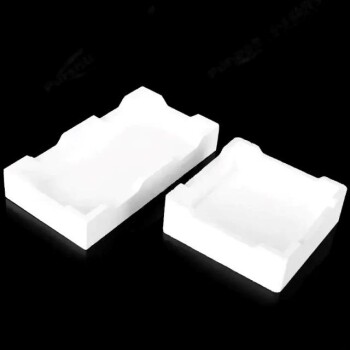
Zirconia porous ceramics serve as a critical interface for signal integrity. They function primarily as a salt bridge situated within the reference electrode channel of a supercritical fluid electrochemical cell. By leveraging a microporous structure, these ceramics facilitate the ion exchange necessary to complete the electrical circuit while physically isolating the reference solution from the experimental environment.
Maintaining a pure experimental environment in supercritical fluids requires a delicate balance between electrical connectivity and physical separation. Zirconia porous ceramics achieve this by permitting ion flow for measurements while preventing reference ions from contaminating the bulk fluid.
The Mechanics of the Salt Bridge
Facilitating Electrical Continuity
For an electrochemical cell to function, the circuit must be closed. Zirconia porous ceramics allow for ion exchange between the experimental fluid and the reference solution.
This exchange is vital for maintaining a stable electrical connection. Without this bridge, the electrochemical measurements would be impossible to capture.
Leveraging Microporous Structure
The effectiveness of zirconia lies in its physical architecture. It utilizes a microporous structure that acts as a selective filter.
This structure is open enough to allow ions to pass through, yet dense enough to restrict the free flow of bulk liquids. This controlled permeability is the defining characteristic of its role as a salt bridge.
The Criticality of Solution Isolation
Preventing Contamination
In sensitive experiments, the chemistry of the reference solution must not interact with the experimental fluid. Zirconia porous ceramics effectively isolate the two solutions.
This isolation prevents the leakage of reference ions into the bulk fluid. This is essential for maintaining the purity of the test environment.
Protecting Corrosion Studies
The presence of foreign ions can drastically skew data, particularly in pitting corrosion studies. Reference solutions often contain specific ions, such as chlorides, which are aggressive corrosion agents.
If these chlorides were to leak into the experimental fluid, they would artificially accelerate corrosion. The zirconia barrier prevents this contamination, ensuring that observed corrosion is due to the experimental conditions, not the measurement equipment.
Understanding the Performance Trade-offs
Balancing Flow and Isolation
The primary challenge in using porous ceramics is balancing connectivity with separation. The material must be porous enough to ensure low electrical resistance for the circuit.
However, if the porosity is too high, it risks allowing bulk fluid transfer. The zirconia ceramic is specifically chosen for its ability to maintain high chemical stability and precise porosity, minimizing the risk of "leakage" while ensuring accurate readings.
Ensuring Data Integrity in Harsh Environments
To ensure accurate electrochemical measurements in supercritical fluids, consider the specific needs of your experiment.
- If your primary focus is Circuit Stability: Rely on zirconia ceramics to provide the necessary ion exchange path without breaking the electrical loop.
- If your primary focus is Pitting Corrosion Analysis: Utilize the ceramic's isolation properties to prevent chloride contamination from skewing your material degradation data.
The integrity of your electrochemical data depends on the effective isolation provided by your salt bridge material.
Summary Table:
| Feature | Role in Electrochemical Cell | Benefit for Supercritical Fluids |
|---|---|---|
| Function | Salt Bridge Interface | Maintains electrical continuity for stable measurements |
| Structure | Microporous Architecture | Facilitates ion exchange while restricting bulk liquid flow |
| Material | Zirconia Ceramic | High chemical stability in harsh, high-pressure environments |
| Isolation | Physical Barrier | Prevents reference ion leakage (e.g., chlorides) into experimental fluids |
| Application | Reference Electrode Channel | Protects pitting corrosion studies from data skewing |
Elevate Your Electrochemical Research Precision with KINTEK
Don't let contamination compromise your critical data. KINTEK specializes in advanced laboratory solutions designed for high-stakes research environments. From our robust electrolytic cells and electrodes to our industry-leading high-temperature high-pressure reactors and autoclaves, we provide the tools necessary to ensure signal integrity in the most demanding conditions.
Whether you are conducting sensitive pitting corrosion studies or developing next-generation energy solutions, our expertise in high-performance ceramics, PTFE products, and specialized lab equipment ensures your experiments remain pure and your results accurate. Empower your laboratory with KINTEK’s precision-engineered systems today.
Contact Our Technical Experts Now to find the perfect fit for your research needs.
References
- Sen Lin, Can Cui. A novel experimental device for electrochemical measurements in supercritical fluids up to 700 °C/1000 bar and its application in the corrosion study of superalloy Inconel 740H. DOI: 10.1039/c7ra04054g
This article is also based on technical information from Kintek Solution Knowledge Base .
Related Products
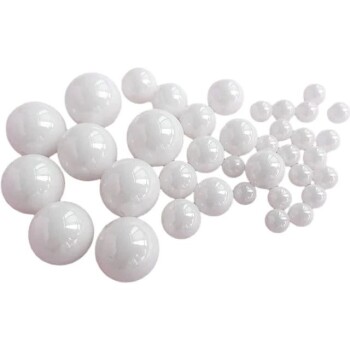
- Precision Machined Zirconia Ceramic Ball for Engineering Advanced Fine Ceramics
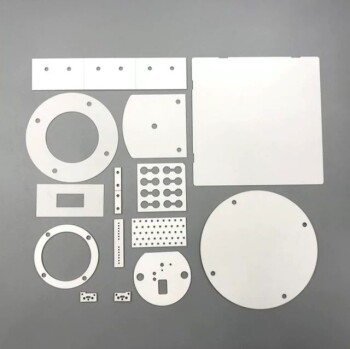
- Custom-Made Alumina Zirconia Special-Shaped Ceramic Plates for Engineering Advanced Fine Ceramics Processing
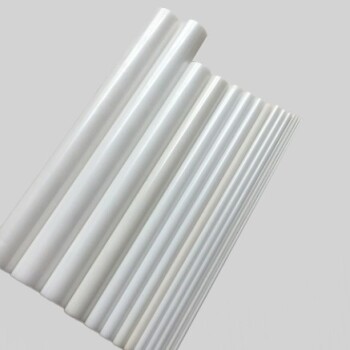
- Precision Machined Yttrium Stabilized Zirconia Ceramic Rod for Engineering Advanced Fine Ceramics
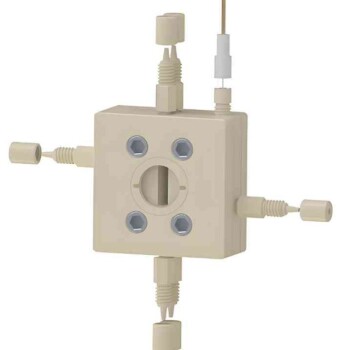
- PTFE Electrolytic Cell Electrochemical Cell Corrosion-Resistant Sealed and Non-Sealed
- Electrolytic Electrochemical Cell for Coating Evaluation
People Also Ask
- What are the applications of zirconia ceramics? Unlock High-Performance Solutions for Extreme Environments
- What is the physical mechanism for selecting hard grinding media? Optimize Your ZrC-Al Matrix Composite Production
- Why are zirconia milling balls preferred for P2-type layered oxides? Ensure High Purity and Grinding Efficiency
- What is the purpose of using zirconia milling balls of different diameters? Optimize Solid Electrolyte Processing
- Why are zirconia grinding jars and balls required for solid-state electrolyte powders? Ensure High Purity & Performance