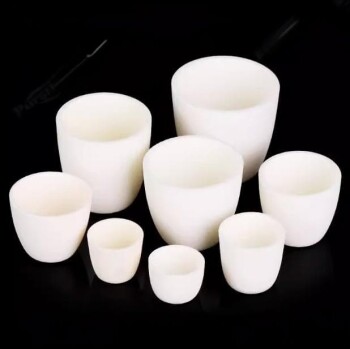
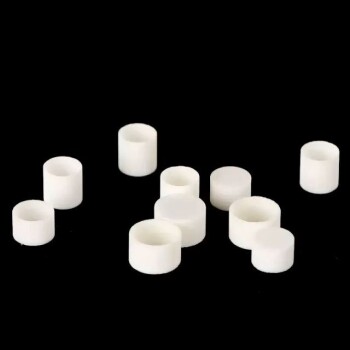
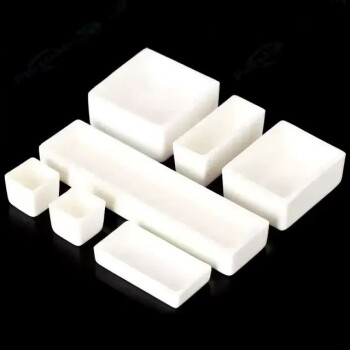
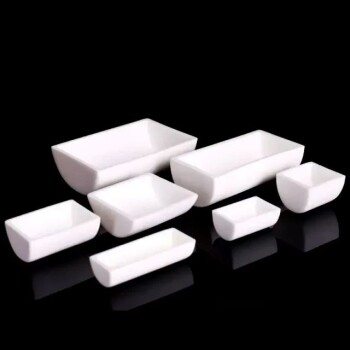
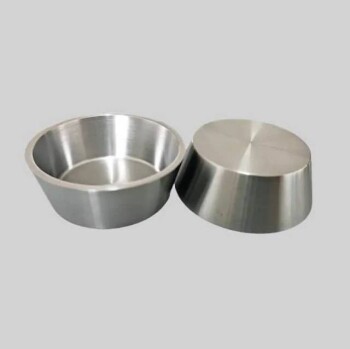
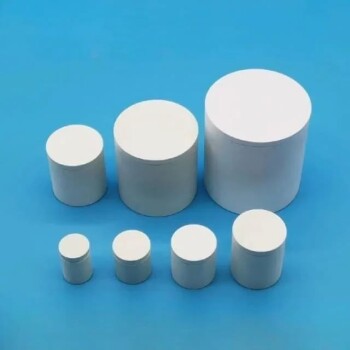
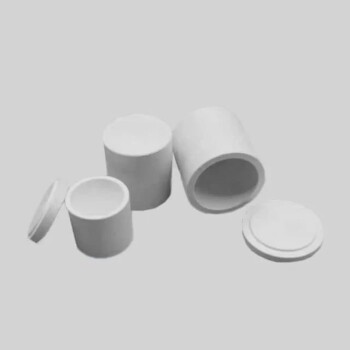
In the carbochlorination of rare earth oxides, the Quartz Crucible acts as the fundamental containment vessel located at the base of the reactor. It is responsible for physically holding the mixture of rare earth oxides and activated carbon powder throughout the process. This component ensures the reaction sample remains isolated and secure while enduring the harsh environmental conditions required for chlorination.
The Quartz Crucible provides a chemically inert and thermally stable environment essential for maintaining elemental purity. By resisting reaction with chlorine gas and high temperatures, it prevents contamination of the rare earth samples during the critical extraction phase.
The Mechanics of Containment
Positioning Within the Reactor
The crucible is strategically positioned at the base of the reactor. This location provides a stable platform for the reactants, anchoring the process within the larger system.
Securing the Reactant Mixture
The vessel is specifically tasked with holding the blend of rare earth oxide and activated carbon powder. It prevents this fine powder mixture from dispersing or coming into direct contact with the reactor walls, which could alter the reaction dynamics.
Why Quartz is Critical for Purity
Unwavering Chemical Stability
The primary value of the Quartz Crucible lies in its chemical inertness. It is designed to be non-reactive, ensuring that the vessel itself does not introduce foreign elements into the sample. This stability is vital for maintaining the elemental purity of the rare earths being processed.
Resistance to Chlorine Corrosion
Carbochlorination involves exposure to chlorine gas, a highly corrosive substance. The quartz material demonstrates superior resistance to this gas, preventing structural degradation that would otherwise compromise the vessel.
Thermal Endurance
The process requires high-temperature environments, typically ranging between 400°C and 750°C. The Quartz Crucible maintains its structural integrity and protective qualities within this thermal window without warping or reacting.
Operational Considerations
Reliance on Material Integrity
While quartz offers exceptional resistance, the success of the process is entirely dependent on the crucible's surface remaining uncompromised. Because the vessel is the only barrier between the sample and the reactor environment, any physical defect in the quartz can lead to immediate contamination of the rare earth oxides.
Making the Right Choice for Your Goal
To ensure the success of your carbochlorination process, you must align the vessel's capabilities with your specific experimental needs.
- If your primary focus is Elemental Purity: Prioritize the Quartz Crucible for its chemical inertness to ensure no foreign contaminants leach into your rare earth samples.
- If your primary focus is Process Safety: Rely on the quartz material's ability to withstand chlorine gas corrosion and temperatures up to 750°C to maintain structural containment.
By utilizing a Quartz Crucible, you effectively isolate your reactants, ensuring that the final yield is defined by the chemistry of the sample rather than the components of the reactor.
Summary Table:
| Feature | Benefit in Carbochlorination |
|---|---|
| Material Composition | High-purity Quartz (chemically inert) |
| Chemical Resistance | Resists chlorine gas corrosion at high temperatures |
| Thermal Stability | Maintains integrity between 400°C and 750°C |
| Containment Role | Secures rare earth oxide & activated carbon mixtures |
| Process Impact | Prevents sample contamination for high elemental purity |
Optimize Your Rare Earth Processing with KINTEK
Precision in rare earth extraction requires equipment that can withstand the most corrosive environments. KINTEK specializes in high-performance laboratory solutions, providing the Quartz Crucibles and ceramics necessary for successful carbochlorination.
Beyond specialized containment, we offer a comprehensive range of high-temperature furnaces (vacuum, tube, and atmosphere), crushing and milling systems, and high-pressure reactors to streamline your entire research workflow. Whether you are focused on battery research or advanced material synthesis, our experts are ready to provide the durable, high-purity tools your lab demands.
Ensure the purity of your results today. Contact our specialists to find the perfect equipment for your application.
References
- Alexandra Anderson, Brajendra Mishra. Investigation of the Carbochlorination Process for Conversion of Cerium and Neodymium Oxides into Their Chlorides. DOI: 10.1007/s40831-015-0023-7
This article is also based on technical information from Kintek Solution Knowledge Base .
Related Products
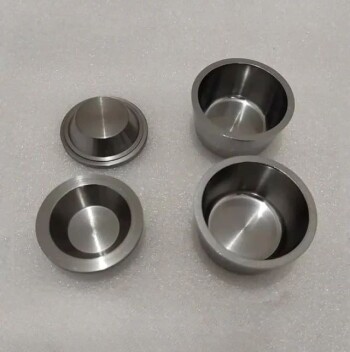
- Electron Beam Evaporation Coating Tungsten Crucible and Molybdenum Crucible for High Temperature Applications
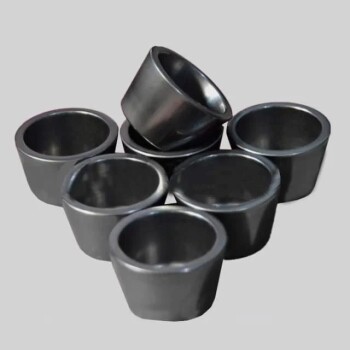
- High Purity Pure Graphite Crucible for Electron Beam Evaporation
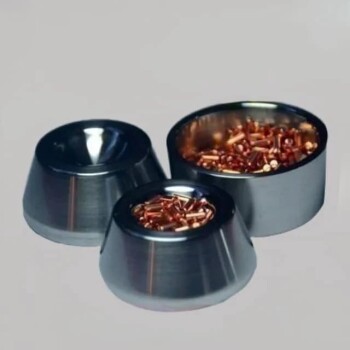
- Electron Beam Evaporation Coating Gold Plating Tungsten Molybdenum Crucible for Evaporation
- High Purity Pure Graphite Crucible for Evaporation
- Arc-Shaped Alumina Ceramic Crucible High Temperature Resistant for Engineering Advanced Fine Ceramics
People Also Ask
- What is the container that holds the metal source material called in e-beam evaporation? Ensure Purity and Quality in Your Thin-Film Deposition
- What materials are used in electron beam evaporation? Master High-Purity Thin Film Deposition
- What is the voltage of e-beam evaporation? Achieve Precise Thin-Film Deposition
- What are the applications of e-beam evaporation? Achieve High-Purity Coatings for Optics & Electronics
- What is e-beam evaporation? Achieve High-Purity Thin Film Deposition for Your Lab