Ar+ ion sputtering cleaning acts as the critical surface activation step immediately preceding the deposition of Aluminum-Zirconium (Al-Zr) thin films. It functions by subjecting the steel substrate to physical bombardment with argon ions, effectively stripping away native oxide layers and adsorbed contaminants to expose pristine base material.
The primary objective of this process is to maximize interfacial bonding strength; without this physical cleaning, the coating is prone to delamination during heat treatments or active service life.
The Mechanics of Surface Activation
Physical Bombardment
The process relies on the kinetic energy of Argon ions (Ar+). These ions impact the substrate surface with significant force, acting like microscopic projectiles.
This bombardment physically dislodges unwanted material from the steel surface. It is a mechanical cleaning process rather than a purely chemical one.
Removal of Barrier Layers
For an Al-Zr coating to adhere properly, it must bond directly to the steel substrate. However, steel naturally forms a native oxide layer when exposed to air.
Ar+ ion sputtering erodes this oxide layer. It also removes other adsorbed contaminants, such as moisture or residual hydrocarbons, which would otherwise act as a barrier to adhesion.
Critical Benefits for Coating Integrity
Enhancing Interfacial Bonding
The quality of the interface between the substrate and the thin film defines the coating's performance.
By creating a chemically clean and active surface, sputtering significantly enhances the interfacial bonding strength. This ensures that the Al-Zr atoms bind directly to the steel lattice rather than to a layer of surface dirt or rust.
Preventing Structural Failure
Adhesion is most vulnerable when the material undergoes stress, such as thermal expansion.
The cleaning step ensures the coating remains intact during subsequent heat treatments. It is equally critical for preventing the film from peeling off during the component's operational service life.
Understanding the Process Sensitivities
The Necessity of Timing
Because the goal is to remove oxides, this process is time-sensitive. The deposition of the Al-Zr film must occur immediately after sputtering.
If there is a delay, the highly reactive, "clean" steel surface will begin to oxidize again, negating the benefits of the sputtering process.
Balancing Energy and Damage
While bombardment is necessary to clean the surface, it is a destructive process by nature.
Care must be taken to control the ion energy. The goal is to strip the contaminants without causing excessive damage or roughness to the underlying steel substrate structure.
Ensuring Coating Success
To maximize the performance of your Aluminum-Zirconium coatings, consider the following regarding the pre-treatment phase:
- If your primary focus is adhesion strength: Prioritize the complete removal of the native oxide layer to allow for direct metal-to-metal bonding at the interface.
- If your primary focus is long-term durability: Verify that the sputtering parameters are optimized to prevent peeling, specifically if the part will be subjected to high-temperature environments.
A pristine substrate surface is the single most important variable in preventing catastrophic coating delamination.
Summary Table:
| Feature | Description of Ar+ Sputtering Role |
|---|---|
| Mechanism | Physical bombardment using high-energy kinetic Argon ions |
| Surface Action | Strips native oxide layers, moisture, and hydrocarbons |
| Core Objective | Maximizes interfacial bonding strength between steel and Al-Zr |
| Failure Prevention | Prevents delamination and peeling during thermal expansion |
| Critical Factor | Timing; deposition must occur immediately after activation |
Elevate Your Thin Film Deposition with KINTEK Precision
Don't let poor adhesion compromise your research or production. KINTEK specializes in advanced laboratory solutions, providing the high-performance CVD, PECVD, and vacuum furnace systems essential for precise Al-Zr coating applications. Our comprehensive portfolio—ranging from high-temperature furnaces and sputtering tools to PTFE consumables and ceramics—is designed to help you achieve the pristine substrate surfaces required for industry-leading durability.
Ready to optimize your coating integrity? Contact KINTEK today to discover how our high-temperature and vacuum equipment can empower your material science innovations.
References
- Caroline Villardi de Oliveira, Frédéric Sanchette. Structural and microstructural analysis of bifunctional TiO2/Al-Zr thin film deposited by hybrid process. DOI: 10.1016/j.tsf.2020.138255
This article is also based on technical information from Kintek Solution Knowledge Base .
Related Products
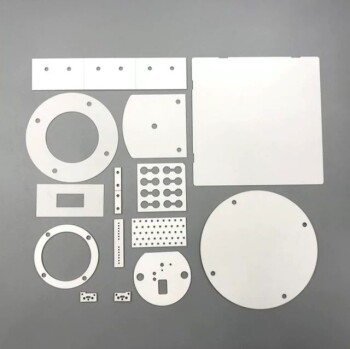
- Custom-Made Alumina Zirconia Special-Shaped Ceramic Plates for Engineering Advanced Fine Ceramics Processing
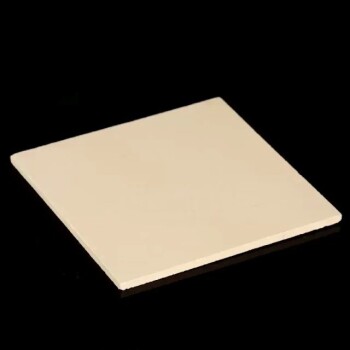
- Precision Machined Yttria Stabilized Zirconia Ceramic Plate for Engineering Advanced Fine Ceramics
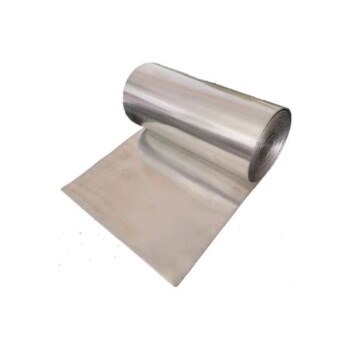
- High Purity Zinc Foil for Battery Lab Applications
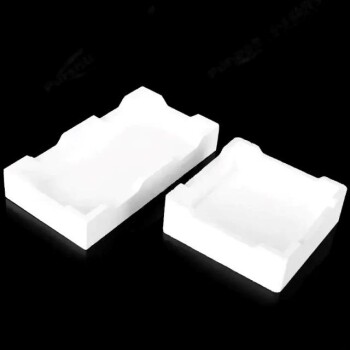
- Advanced Engineering Fine Ceramics Alumina Ceramic Saggar for Fine Corundum
- Electrode Polishing Material for Electrochemical Experiments
People Also Ask
- What function do alumina ceramic plates serve as supports in the preparation of molecular sieve membranes?
- Why are ceramics more resistant to corrosion? Unlock the Secret to Unmatched Chemical Stability
- What are the process advantages of selecting an alumina plate for CuO nanofilm synthesis? Achieve Superior Purity
- How is alumina ceramic made? A Guide to Manufacturing Methods and Material Properties
- What are the applications of zirconia ceramics? Unlock High-Performance Solutions for Extreme Environments