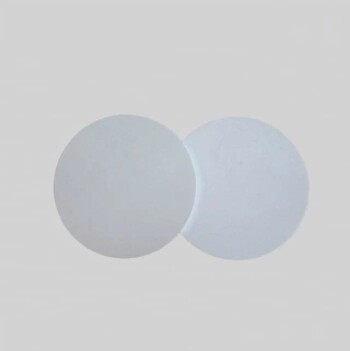
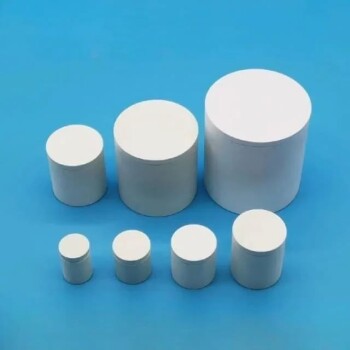
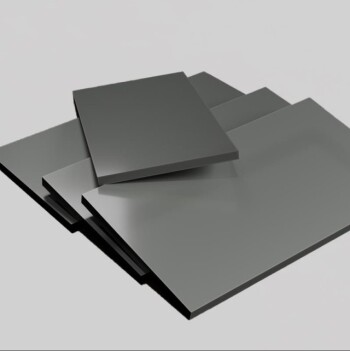
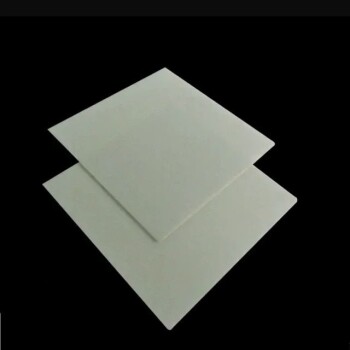
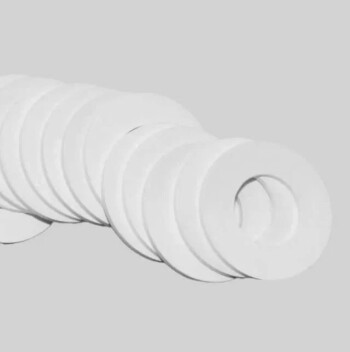
In the ultra-fast sintering of LLZO electrolytes, graphite foil acts as the primary driver of rapid thermal energy, while boron nitride plates serve as a critical protective barrier. The foil leverages high electrical and thermal conductivity to act as a heating element that facilitates immediate temperature increases, while the boron nitride isolates the sensitive ceramic sample to prevent chemical contamination and physical adhesion.
Core Insight: Successful ultra-fast sintering relies on a symbiotic relationship: graphite foil provides the extreme heating rates necessary for densification, while boron nitride ensures the electrochemical purity of the final solid-state electrolyte by preventing reaction with the carbon source.
The Role of Graphite Foil: The Thermal Driver
The sintering process for Garnet-type electrolytes (LLZO) requires rapid, uniform heating to achieve density without excessive lithium loss. Graphite foil is the engine behind this process.
Rapid Energy Generation
Graphite foil functions effectively as a resistive heating element. Due to its high electrical conductivity, it converts electrical energy into heat almost instantly, enabling the ultra-fast ramp rates characteristic of this sintering method.
Efficient Thermal Transfer
Beyond generating heat, the foil acts as a superior thermal interface material. It ensures that thermal energy is transferred directly and efficiently to the sintering setup.
Uniform Heat Distribution
Graphite possesses excellent thermal conductivity properties. This allows the foil to distribute heat evenly across the surface area, reducing the risk of thermal gradients that could crack the ceramic electrolyte.
The Role of Boron Nitride: The Protective Shield
While graphite provides the heat, it introduces a risk of carbon contamination. Boron nitride (BN) plates are introduced to mitigate this specific risk.
Chemical Isolation
LLZO is highly reactive at sintering temperatures. Boron nitride plates possess high-temperature chemical stability, acting as an inert barrier that prevents the electrolyte from reacting with the graphite components.
Preventing Physical Adhesion
At high heat, ceramic materials can become sticky or diffuse into contacting surfaces. The BN plates serve as a non-stick layer, preventing the LLZO sample from adhering to the sintering molds or the heating elements.
Electrical Insulation
Unlike the conductive graphite, boron nitride is an electrical insulator. This property is vital for directing the current flow only through the heating elements (the graphite) and not through the sample itself, ensuring controlled heating.
Critical Trade-offs and Considerations
While this dual-material setup is effective, it requires precise management of material interactions.
Component Lifespan vs. Cost
Graphite foil is generally consumable and may degrade after repeated ultra-fast heating cycles. While cost-effective, its degradation can lead to inconsistent resistance and heating rates over time.
The Risk of Imperfect Isolation
If the boron nitride plates crack or are misaligned, the "shield" fails. Any direct contact between the LLZO and the graphite will lead to immediate carbon contamination, effectively ruining the electrolyte's ionic conductivity.
Thermal Expansion Mismatch
Rapid heating places immense stress on materials. The thermal expansion coefficients of graphite, boron nitride, and LLZO differ; if the ramp rate is too aggressive, mechanical stress can fracture the BN plates or the sample.
Optimizing Your Sintering Setup
To achieve the best results, you must balance the aggressive heating capabilities of graphite with the protective constraints of boron nitride.
- If your primary focus is maximixing heating speed: Ensure high-quality graphite foil contact to minimize contact resistance and enable the fastest possible ramp rates.
- If your primary focus is electrolyte purity: Prioritize the integrity of the boron nitride plates, inspecting them frequently for micro-cracks that could allow carbon diffusion.
- If your primary focus is sample density: precise pressure application is key; leverage the graphite's ability to distribute heat, but ensure the BN plates can withstand the mechanical load without fracturing.
The success of your ultra-fast sintering process depends on the integrity of the boron nitride barrier just as much as the power of the graphite heating element.
Summary Table:
| Component | Primary Role | Key Property | Benefit for LLZO |
|---|---|---|---|
| Graphite Foil | Thermal Driver | High Electrical/Thermal Conductivity | Enables rapid heating and uniform temperature distribution. |
| Boron Nitride | Protective Shield | Chemical Inertness & Electrical Insulation | Prevents carbon contamination, adhesion, and uncontrolled current flow. |
Elevate Your Solid-State Battery Research with KINTEK
Precision in ultra-fast sintering requires materials that can withstand extreme thermal stress without compromising sample purity. KINTEK specializes in advanced laboratory equipment and high-performance consumables designed for cutting-edge battery research. From high-quality graphite components and boron nitride ceramics to our industry-leading high-temperature furnaces, hydraulic presses, and crushing systems, we provide the tools you need to achieve superior densification and ionic conductivity in LLZO electrolytes.
Ready to optimize your sintering setup? Contact KINTEK today to discover how our comprehensive range of high-temperature solutions and laboratory consumables can accelerate your material breakthroughs.
Related Products
- Boron Nitride (BN) Ceramic Plate
- Boron Nitride (BN) Crucible for Phosphorous Powder Sintered
- Ultra-High Temperature Graphite Vacuum Graphitization Furnace
- Spark Plasma Sintering Furnace SPS Furnace
- Carbon Graphite Plate Manufactured by Isostatic Pressing Method
People Also Ask
- What is the necessity of using a ceramic crucible as a carrier during BN synthesis? Ensure High-Purity Results
- What is the purpose of Boron Nitride (BN) insulation sheets in SPS? Decoupling Thermal and Electrical Sintering Effects
- What type of brazing works at lower temperature? Silver Alloys for Heat-Sensitive Materials
- What are the target materials for sputtering? From Metals to Ceramics for Precise Thin Films
- What is sputtering target material? The Blueprint for High-Quality Thin Film Coatings