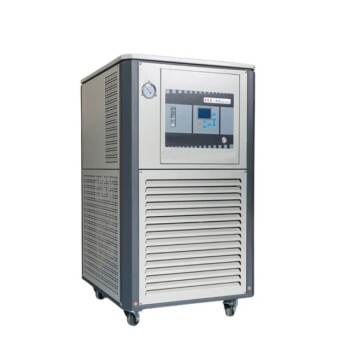
To conduct chemical reactions under extreme physical conditions, laboratories must utilize specialized containment systems designed to withstand significant stress. The essential equipment required for these processes includes high-temperature and high-pressure reactors, autoclaves, and electrolytic cells, all of which act to facilitate synthesis and testing within a safe, controlled environment.
Success in high-energy chemistry requires more than just heat and pressure; it demands a system that isolates significant thermal and baric levels to ensure operator safety and reaction stability.
Specialized Equipment for Extreme Conditions
To handle the rigors of high-pressure and high-temperature environments, researchers rely on three primary categories of equipment. Each serves a distinct role in material synthesis and chemical testing.
High-Temperature and High-Pressure Reactors
These reactors are the workhorses of extreme-condition chemistry. They are engineered to facilitate chemical synthesis while containing the immense energy generated by the reaction.
Their primary function is to maintain structural integrity while subjecting materials to elevated thermal and baric levels. This allows for the creation of materials that cannot exist under ambient conditions.
The Role of Autoclaves
Autoclaves are specialized vessels designed specifically for high-pressure applications.
While often associated with sterilization, in a chemical context, they provide a sealed environment for hydrothermal or solvothermal synthesis. They ensure that the pressure generated by heating solvents above their boiling points is safely contained.
Electrolytic Cells
For electrochemical processes requiring extreme parameters, specialized electrolytic cells are utilized.
These systems allow researchers to conduct electrolysis or electrochemical testing under high heat and pressure. This is critical for testing materials intended for harsh operating environments, such as deep-sea or industrial applications.
The Importance of Controlled Environments
The use of this specialized equipment is not merely about achieving high numbers on a gauge; it is about control and safety.
Ensuring Laboratory Safety
The most critical function of these systems is providing a safe environment for the operator.
Extreme physical conditions present significant hazards. These vessels are built to isolate these dangers, preventing catastrophic failure during the testing of volatile chemicals.
Precision in Testing
Beyond safety, these tools offer a controlled environment necessary for reproducible science.
To accurately test material properties or synthesize new compounds, fluctuations in temperature or pressure must be minimized. High-end reactors and autoclaves provide the stability required for precise experimental data.
Understanding the Trade-offs
While this equipment is essential for high-energy chemistry, it introduces specific challenges that must be managed.
Complexity vs. Capability
The primary trade-off is the increased complexity of operation compared to standard ambient pressure equipment.
Achieving a safe and controlled environment under extreme baric levels requires rigorous setup and monitoring. The equipment is heavier, more complex to assemble, and requires strict adherence to safety protocols that do not apply to standard glassware.
Making the Right Choice for Your Goal
Selecting the correct apparatus depends entirely on the specific physical conditions your reaction requires.
- If your primary focus is general material synthesis: Utilize high-temperature and high-pressure reactors to manage the broad thermal and baric requirements of creating new compounds.
- If your primary focus is electrochemical testing: Choose specialized electrolytic cells designed to maintain electrical continuity while withstanding extreme physical stress.
True mastery of extreme-condition chemistry begins with respecting the hardware that makes it safe.
Summary Table:
| Equipment Type | Primary Function | Key Applications |
|---|---|---|
| HTHP Reactors | High-energy synthesis & containment | Material synthesis under extreme thermal/baric levels |
| Autoclaves | Sealed hydrothermal/solvothermal synthesis | Safe containment of solvents heated above boiling point |
| Electrolytic Cells | High-parameter electrochemical testing | Testing materials for harsh industrial or deep-sea environments |
| Safety Systems | Hazard isolation & pressure control | Ensuring operator safety during volatile chemical testing |
Elevate Your Laboratory's High-Pressure Capabilities with KINTEK
At KINTEK, we understand that high-energy chemistry requires uncompromising safety and precision. Whether you are conducting hydrothermal synthesis or testing materials for extreme environments, our specialized portfolio is engineered to meet the most rigorous standards.
Our solutions for high-temperature and high-pressure research include:
- High-Temperature High-Pressure Reactors & Autoclaves: Engineered for maximum structural integrity and stable thermal control.
- Advanced Electrolytic Cells & Electrodes: Specialized for electrochemical testing under extreme stress.
- Precision Heating: High-temperature muffle, tube, and vacuum furnaces for diverse material processing.
- Complete Lab Ecosystem: From hydraulic presses and crushing systems to essential PTFE and ceramic consumables.
Don't compromise on safety or data accuracy. Partner with KINTEK to equip your facility with the industry's most reliable high-pressure systems.
Contact Our Technical Experts Today to Find the Right Solution for Your Lab
References
- Heping Xie, Bin Chen. Cu-modified Ni foams as three-dimensional outer anodes for high-performance hybrid direct coal fuel cells. DOI: 10.1016/j.cej.2020.128239
This article is also based on technical information from Kintek Solution Knowledge Base .
Related Products
- Customizable Laboratory High Temperature High Pressure Reactors for Diverse Scientific Applications
- Customizable High Pressure Reactors for Advanced Scientific and Industrial Applications
- Mini SS High Pressure Autoclave Reactor for Laboratory Use
- Stainless High Pressure Autoclave Reactor Laboratory Pressure Reactor
- High Pressure Laboratory Autoclave Reactor for Hydrothermal Synthesis
People Also Ask
- How do high-pressure and high-temperature reactors ensure the effective treatment of lignocellulosic wastewater in WAO?
- How do you control high pressure in a reactor? A Guide to Safe & Stable Operation
- Why is argon better than nitrogen for inert atmosphere? Ensure Absolute Reactivity & Stability
- How does initial oxygen pressure affect the wet oxidation of pharmaceutical sludge? Master Your Oxidation Depth
- Why is pyrolysis expensive? Unpacking the High Costs of Advanced Waste Conversion