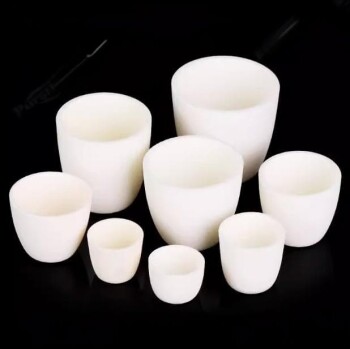
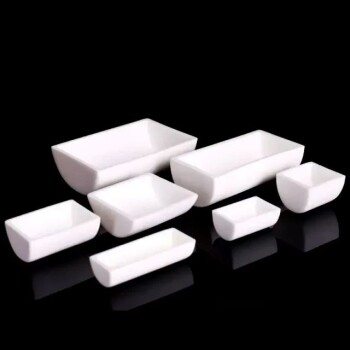
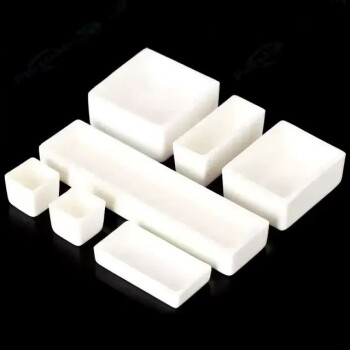
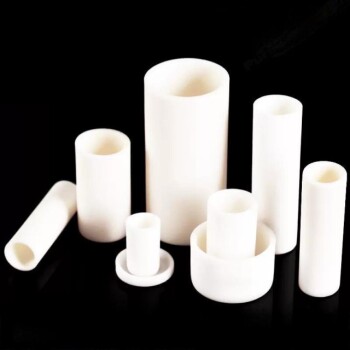
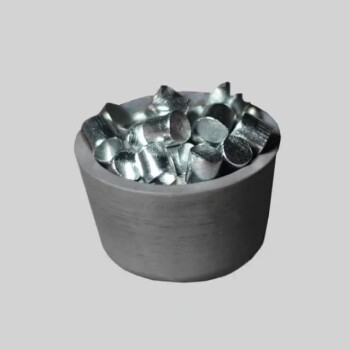
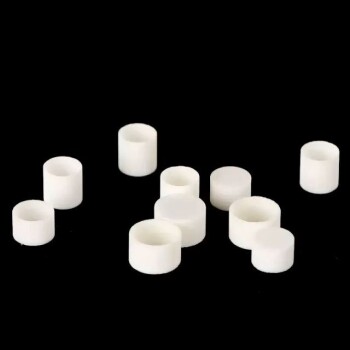
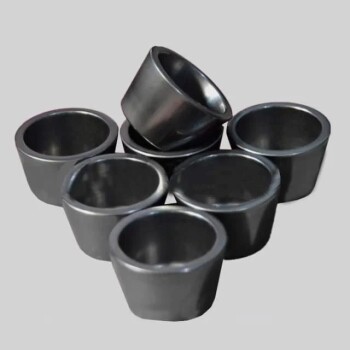
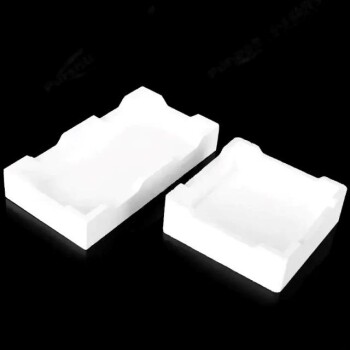
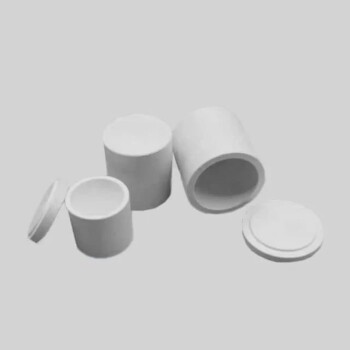
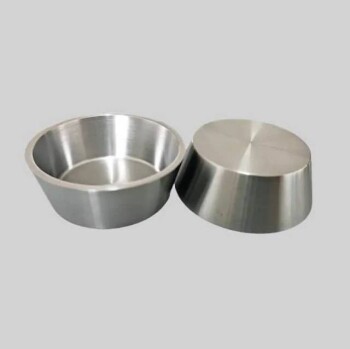
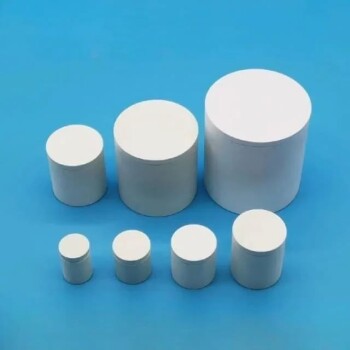
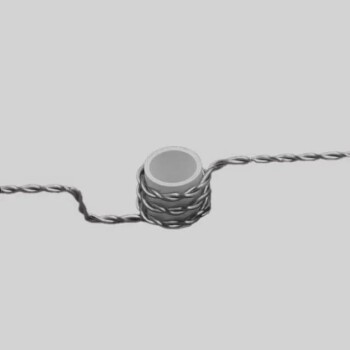
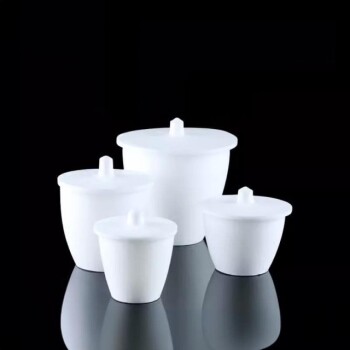
Corundum crucibles act as chemically inert, high-temperature vessels that ensure sample purity and process efficiency during magnetite powder reduction. These carriers provide critical resistance to chemical erosion from reducing gases and molten iron while maintaining structural integrity at temperatures exceeding 1500°C. In specialized environments like microwave-assisted reduction, their unique electromagnetic properties ensure that energy is focused entirely on the ore rather than the container.
Corundum crucibles serve as the gold standard for magnetite reduction because they isolate the chemical reaction from the environment, preventing contamination and ensuring that thermal or electromagnetic energy is used exclusively to drive the reduction process.
Superior Thermal and Mechanical Stability
High-Temperature Structural Integrity
Corundum, primarily composed of high-purity alumina, features an extremely high melting point exceeding 2000°C. In magnetite reduction processes, which typically operate between 1100°C and 1550°C, these crucibles remain dimensionally stable and do not soften or deform.
Resilience Against Thermal Shock
Maintaining the integrity of the carrier during rapid heating and cooling cycles is vital for consistent results. Corundum exhibits excellent thermal shock stability, allowing it to withstand temperature fluctuations of 5-10°C/min without cracking, which protects the sample from loss or exposure.
Chemical Inertness and Product Purity
Resistance to Chemical Erosion
During the reduction of magnetite, the carrier is exposed to aggressive reducing gases like carbon monoxide (CO) and hydrogen. Corundum does not react with these gases or the iron oxides, ensuring that the chemical environment remains controlled and the experimental data remains accurate.
Prevention of Sample Contamination
As magnetite reduces to metallic iron or alloys, molten droplets can often erode lesser materials. Corundum effectively resists this chemical erosion, preventing the crucible’s own elements from leaching into the final product and ensuring the high chemical purity of the resulting iron or alloy.
Optimization for Advanced Heating Methods
Energy Concentration in Microwave Processes
In microwave-assisted reduction, the choice of carrier is decisive for energy efficiency. High-purity corundum has a very low microwave absorption rate, meaning it does not heat up significantly when exposed to electromagnetic fields.
Enhancing Reaction Kinetics
Because the crucible does not absorb the microwave energy, the electromagnetic power is concentrated directly on the magnetite powder. This targeted heating accelerates the reduction reaction and reduces the overall energy consumption of the process.
Understanding the Trade-offs
Brittleness and Handling Requirements
While corundum is thermally robust, it is a ceramic material and inherently brittle. It lacks the impact resistance of metallic carriers, requiring careful handling to avoid mechanical failure during loading and unloading.
Cost vs. Performance Balance
High-purity corundum crucibles are more expensive than standard clay or lower-grade alumina alternatives. While they provide superior purity, the initial investment must be weighed against the required precision of the reduction process and the desired lifespan of the crucible.
Applying Corundum Carriers to Your Project
Making the Right Choice for Your Goal
To maximize the benefits of corundum crucibles in your reduction process, consider your primary technical objective:
- If your primary focus is high-purity iron production: Utilize high-purity corundum to eliminate the risk of crucible elements contaminating the molten metal or alloy.
- If your primary focus is microwave-assisted reduction: Use corundum specifically to ensure energy is efficiently coupled with the magnetite ore rather than wasted on heating the vessel.
- If your primary focus is process longevity at extreme heat: Select corundum for its ability to withstand temperatures up to 1550°C without softening or reacting with reducing agents.
By aligning the carrier material with the specific thermal and chemical demands of your reduction process, you ensure both the integrity of your results and the efficiency of your operations.
Summary Table:
| Feature | Benefit | Technical Impact |
|---|---|---|
| High Alumina Purity | Chemical Inertness | Prevents sample contamination and resists erosion from reducing gases (CO, H2). |
| Extreme Melting Point | Thermal Stability | Maintains structural integrity at process temperatures exceeding 1500°C without deformation. |
| Low Microwave Absorption | Energy Concentration | Focuses electromagnetic energy directly on the ore, accelerating reaction kinetics. |
| Thermal Shock Resistance | Process Reliability | Withstands rapid temperature fluctuations (5-10°C/min) to protect sample integrity. |
Elevate Your Material Research with KINTEK Precision
Maximize the accuracy and efficiency of your reduction processes with KINTEK’s premium laboratory solutions. As specialists in high-performance equipment and consumables, we offer a robust portfolio tailored for extreme thermal environments, including:
- High-Purity Ceramics: Specialized corundum, PTFE, and ceramic crucibles designed for chemical inertness and high-temperature resilience.
- Advanced Thermal Systems: A comprehensive range of high-temperature furnaces (muffle, vacuum, CVD, PECVD, and atmosphere-controlled).
- Processing Excellence: Crushing and milling systems, hydraulic presses, and high-pressure reactors to streamline your workflow.
Whether you are refining high-purity alloys or conducting microwave-assisted reduction, KINTEK provides the reliable tools and technical expertise your project demands.
Ready to optimize your lab's performance? Contact our specialists today for a tailored consultation!
References
- Meijie Zhou, Shuai Tong. Promoting Effect of Microwave Field on Gas Phase Diffusion Limited Magnetite Reduction in Carbon Monoxide. DOI: 10.3390/pr11092709
This article is also based on technical information from Kintek Solution Knowledge Base .
Related Products
- Electron Beam Evaporation Coating Gold Plating Tungsten Molybdenum Crucible for Evaporation
- Electron Beam Evaporation Coating Tungsten Crucible and Molybdenum Crucible for High Temperature Applications
- Arc-Shaped Alumina Ceramic Crucible High Temperature Resistant for Engineering Advanced Fine Ceramics
- Electron Beam Evaporation Coating Oxygen-Free Copper Crucible and Evaporation Boat
- Alumina Al2O3 Ceramic Crucible Semicircle Boat with Lid for Engineering Advanced Fine Ceramics
People Also Ask
- What is the container that holds the metal source material called in e-beam evaporation? Ensure Purity and Quality in Your Thin-Film Deposition
- What materials are used in electron beam evaporation? Master High-Purity Thin Film Deposition
- What is the process of e-beam coating? Achieve High-Purity, Precise Thin Films for Your Lab
- What is e-beam evaporation? Achieve High-Purity Thin Film Deposition for Your Lab
- What is the voltage of e-beam evaporation? Achieve Precise Thin-Film Deposition