Chemical hydrolysis of microalgae creates an aggressively corrosive environment. This process necessitates the use of high concentrations of strong acids (like sulfuric or hydrochloric acid) or strong bases (such as sodium hydroxide) to break down biomass. Corrosion-resistant vessels, particularly PTFE-lined reactors, are required to survive this chemical attack and prevent the reaction solution from destroying the equipment walls.
Core Takeaway Beyond simply protecting hardware from erosion, the primary scientific necessity for corrosion-resistant vessels is process purity. Standard metal vessels leach ions under acidic or alkaline conditions, creating a toxic environment that inhibits the microorganisms crucial for the subsequent anaerobic digestion phase.
The Aggressive Nature of Hydrolysis
Handling Extreme pH Levels
Microalgae pretreatment frequently relies on adding powerful chemical agents to disrupt cell walls. This involves high concentrations of strong acids ($H_2SO_4$, $HCl$) or alkalis ($NaOH$, $KOH$).
Standard stainless steel or lower-grade metallic vessels cannot withstand this direct chemical exposure. Without a resistant lining, the vessel walls will suffer rapid chemical erosion.
The Multiplier Effect of Heat
Chemical hydrolysis is rarely a room-temperature process. It typically operates at elevated temperatures to accelerate the breakdown of complex biomass structures.
Heat significantly increases the corrosion rate of acids and bases. A vessel that might resist a dilute acid at room temperature will often degrade quickly when that same acid is heated and pressurized.
Protecting Biological Downstream Processes
The Danger of Ion Leaching
The most critical reason for using PTFE-lined or borosilicate glass reactors is to prevent "leaching." When aggressive chemicals attack a metal vessel, metal ions are released into the liquid solution.
This creates a contamination issue that is virtually impossible to reverse once it occurs.
Toxic Inhibition of Microorganisms
The goal of microalgae pretreatment is often to prepare the biomass for anaerobic digestion or fermentation. The microorganisms required for these biological processes are highly sensitive to their environment.
Leached metal ions act as toxins to these microbes. If the feedstock is contaminated during pretreatment, the metal ions will inhibit microbial metabolism, causing the subsequent digestion process to fail or perform poorly.
Understanding Material Trade-offs
PTFE vs. Borosilicate Glass
High-performance PTFE (Polytetrafluoroethylene) linings offer exceptional chemical inertness against both strong acids and strong bases. They are robust and can withstand physical stress better than glass in many industrial contexts.
Borosilicate glass is another valid option for corrosion resistance. However, it requires careful handling due to its fragility, particularly under the high-pressure conditions often found in hydrothermal treatments.
Safety and Equipment Longevity
Using non-resistant vessels introduces a significant safety hazard. As vessel walls thin due to erosion, they lose their structural integrity, posing a risk of rupture under pressure.
Specialized linings ensure the equipment remains safe to operate over many cycles. This stability is essential for maintaining consistent experimental conditions and industrial safety standards.
Making the Right Choice for Your Goal
Selecting the correct reactor material is a preventative measure that safeguards your biological results.
- If your primary focus is biological yield: Prioritize chemically inert linings (PTFE) to ensure zero metal ion leaching interferes with anaerobic digestion.
- If your primary focus is operational safety: Select high-performance lined reactors to withstand the compounding stress of high temperature, pressure, and acidity without degradation.
By treating the vessel as a critical variable in your experiment, you protect both your physical assets and the biological viability of your product.
Summary Table:
| Feature | Standard Metallic Vessels | PTFE-Lined Reactors | Borosilicate Glass |
|---|---|---|---|
| Chemical Resistance | Low (Corrodes with Acids/Bases) | Excellent (Inert to most chemicals) | High (Resistant to acids) |
| Ion Leaching | High (Toxic to microbes) | Zero Leaching | Minimal |
| Thermal Stability | Varies by grade | High (up to 250°C) | High (with thermal shock risk) |
| Durability | High structural strength | High (Protects steel shell) | Low (Fragile) |
| Best Application | Non-corrosive liquids | Aggressive chemical hydrolysis | Lab-scale acidic reactions |
Maximize Your Research Precision with KINTEK
Don't let equipment corrosion compromise your biological yields or laboratory safety. KINTEK specializes in high-performance laboratory solutions designed for the most demanding chemical environments.
Our extensive portfolio features PTFE-lined high-temperature high-pressure reactors and autoclaves, precisely engineered to withstand aggressive acids and bases without leaching metal ions. Whether you are conducting microalgae pretreatment or complex chemical synthesis, we provide the specialized tools you need—from corrosion-resistant crushing and milling systems to PTFE consumables and high-purity ceramics.
Ready to upgrade your lab's durability and process purity?
Contact KINTEK today for a custom consultation and discover how our advanced reactor technology can safeguard your experiments and enhance operational longevity.
References
- Maria Cecília Oliveira, Magali Christe Cammarota. Microalgae and Cyanobacteria Biomass Pretreatment Methods: A Comparative Analysis of Chemical and Thermochemical Pretreatment Methods Aimed at Methane Production. DOI: 10.3390/fermentation8100497
This article is also based on technical information from Kintek Solution Knowledge Base .
Related Products
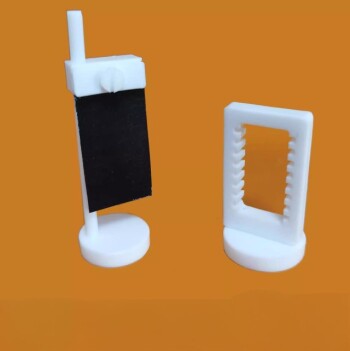
- Custom PTFE Teflon Parts Manufacturer for Hydrothermal Synthesis Reactor Polytetrafluoroethylene Carbon Paper and Carbon Cloth Nano-growth
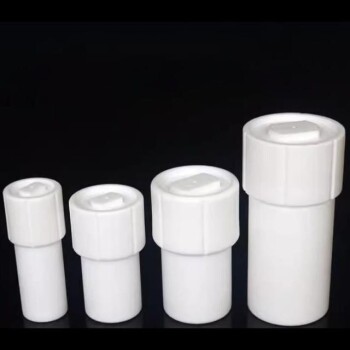
- Custom PTFE Teflon Parts Manufacturer for Microwave Digestion Tank
- Custom PTFE Teflon Parts Manufacturer F4 Conical Flask Triangular Flask 50 100 250ml
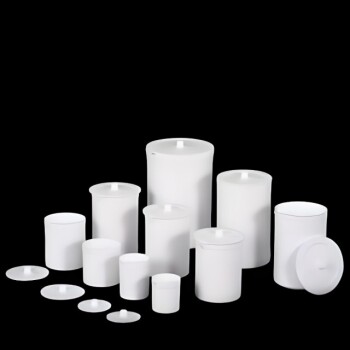
- Custom PTFE Teflon Parts Manufacturer PTFE Beaker and Lids
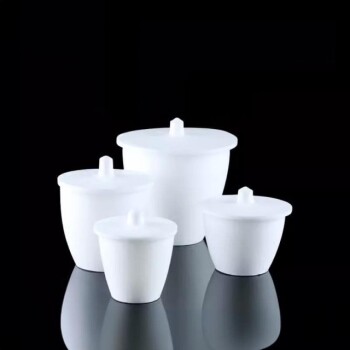
- Custom Machined and Molded PTFE Teflon Parts Manufacturer with PTFE Crucible and Lid
People Also Ask
- What is the function of a PTFE reactor in MXene etching? Ensure Safe, High-Purity MAX Phase Conversion
- Why is a PTFE reactor required for titanium-based nano-ceramic coating solutions? Ensure Chemical Inertness & Purity
- Why must a Polytetrafluoroethylene (PTFE) reactor be used for Ti3C2TX MXene etching? Ensure Safety and Purity
- Why are PTFE reactors preferred for silver phosphate glass testing? Ensure Purity and Kinetic Accuracy
- What are the advantages of using polytetrafluoroethylene (PTFE) liners in hydrothermal synthesis reactors? High Purity