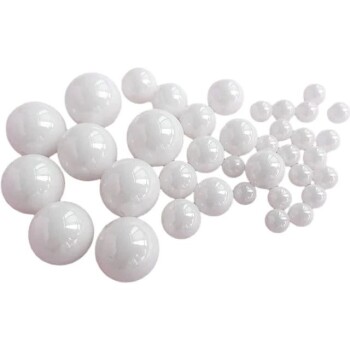
High-density zirconia grinding balls are the preferred choice for this application because they combine exceptional physical hardness with chemical inertness. They provide the durability necessary to withstand the high-intensity impacts of long-duration milling while virtually eliminating the risk of contaminating the sensitive ODS alloy powder with wear debris.
Core Takeaway The preparation of Oxide Dispersion Strengthened (ODS) alloys requires a milling environment that delivers high kinetic energy without compromising material chemistry. Zirconia media is selected because it balances efficient energy transfer for powder refinement with superior wear resistance, ensuring the final alloy retains high purity and structural integrity.
The Physical Demands of ODS Alloy Milling
Efficient Energy Transfer
The synthesis of ODS alloys relies on high-intensity impact processes. The grinding media must possess sufficient mass and hardness to crush raw materials effectively.
High-density zirconia provides the necessary kinetic energy to refine the alloy powder particles. This intense energy transfer is critical for introducing essential lattice defects and ensuring the uniform dispersion of oxides within the metal matrix.
Durability During Long-Duration Cycles
ODS alloy preparation often involves milling durations extending up to 50 hours or more. The grinding media must endure millions of high-speed impacts without fracturing or degrading.
Zirconia balls are characterized by exceptional toughness and resistance to breakage. This structural integrity ensures consistent milling performance throughout the entire duration of the process, preventing process interruptions caused by media failure.
The Criticality of Material Purity
Minimizing Wear-Induced Contamination
The most significant risk in long-duration ball milling is "cross-contamination," where the grinding media wears down and mixes with the powder.
Zirconia possesses a superior wear resistance (low wear rate) compared to standard steel media. This attribute is vital for ODS alloys, as minimizing the introduction of external elements ensures the chemical composition of the final material remains precise.
Preventing Metallic Impurities
When using metallic grinding media, such as steel or chromium-based balls, impurities like iron (Fe) or chromium (Cr) inevitably enter the powder mixture.
Zirconia is chemically stable and inert. By using zirconia balls (and often zirconia jars), researchers prevent the introduction of metallic impurities that could trigger side reactions or degrade the high-temperature mechanical performance of the superalloy.
Understanding the Trade-offs
Impact Energy vs. Purity
While zirconia is dense, materials like Tungsten Carbide (WC) or steel are often denser and can generate higher kinetic energy impacts.
However, the trade-off is purity. While WC might mill faster, it introduces tungsten and carbon contamination. Zirconia is selected when the priority is maintaining extreme purity, even if it requires slightly longer milling times to achieve the same level of refinement as denser metallic media.
Cost vs. Performance
Zirconia media is generally more expensive than stainless steel balls.
For standard milling where slight iron contamination is acceptable, steel is cost-effective. However, for high-performance ODS alloys where impurity limits are strict, the cost of zirconia is justified by the prevention of material failure.
Making the Right Choice for Your Goal
Select your grinding media based on the specific tolerance of your final material to impurities.
- If your primary focus is Absolute Purity: Choose High-Density Zirconia. It prevents metallic contamination and is ideal for ODS alloys, solid electrolytes, and high-temperature ceramics.
- If your primary focus is Maximum Impact Energy: Consider Tungsten Carbide (WC). It offers higher density for faster breakdown of hard materials, provided the specific impurities (W, C) are acceptable for your application.
- If your primary focus is Cost Efficiency: Choose High-Hardness Steel. It is suitable for general milling tasks where iron contamination does not significantly degrade the material's performance.
For ODS alloys, zirconia remains the definitive standard for achieving the necessary refinement without compromising the material's chemical integrity.
Summary Table:
| Feature | High-Density Zirconia | Tungsten Carbide (WC) | High-Hardness Steel |
|---|---|---|---|
| Primary Benefit | Exceptional Purity | Maximum Impact Energy | Cost Efficiency |
| Wear Resistance | Superior (Low Rate) | High | Moderate |
| Contamination Risk | Minimal (Inert) | Metallic (W, C) | Metallic (Fe, Cr) |
| Best Use Case | ODS Alloys, Ceramics | Hard Material Breakdown | General Lab Milling |
Elevate Your Material Purity with KINTEK Solutions
Precision in ODS alloy synthesis starts with the right milling media. At KINTEK, we specialize in high-performance laboratory equipment, providing premium high-density zirconia grinding balls and crushing and milling systems designed to eliminate contamination and ensure uniform particle dispersion.
Beyond milling, our comprehensive portfolio includes high-temperature furnaces, hydraulic presses, and high-pressure reactors to support your entire material research workflow. Don't let media wear compromise your results—contact our technical experts today to find the perfect milling solutions for your specialized applications.
References
- Ana R. Salazar-Román, J.C. Rendón-Ángeles. Effect of yttria addition on the microstructure and mechanical behavior of ODS ferritic alloys processed by High Energy Milling and Spark Plasma Sintering. DOI: 10.3989/revmetalm.236
This article is also based on technical information from Kintek Solution Knowledge Base .
Related Products
- Precision Machined Zirconia Ceramic Ball for Engineering Advanced Fine Ceramics
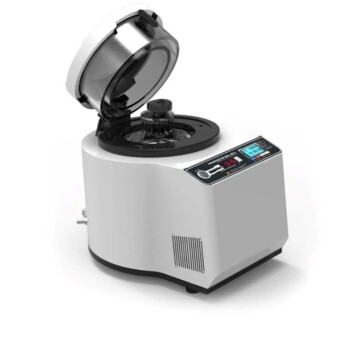
- High Energy Planetary Ball Mill Milling Machine for Laboratory
- Laboratory High Throughput Tissue Grinding Mill Grinder
- High Energy Planetary Ball Mill Milling Machine for Laboratory
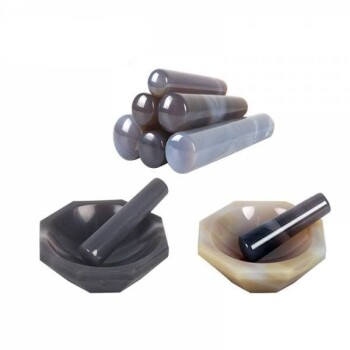
- Nature Agate Mortar and Pestle for Grinding and Mixing
People Also Ask
- What are the applications of zirconia ceramics? Unlock High-Performance Solutions for Extreme Environments
- What is the physical mechanism for selecting hard grinding media? Optimize Your ZrC-Al Matrix Composite Production
- Why are zirconia milling balls preferred for P2-type layered oxides? Ensure High Purity and Grinding Efficiency
- What is the purpose of using zirconia milling balls of different diameters? Optimize Solid Electrolyte Processing
- Why are zirconia grinding jars and balls required for solid-state electrolyte powders? Ensure High Purity & Performance