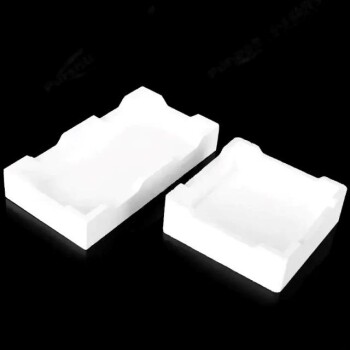
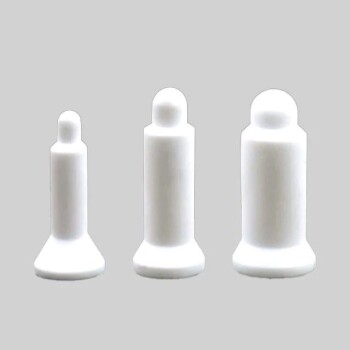
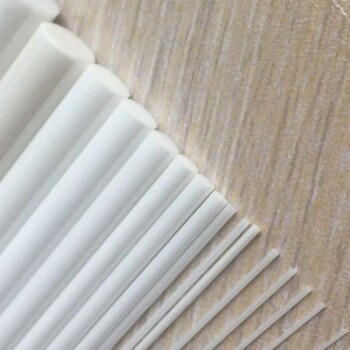
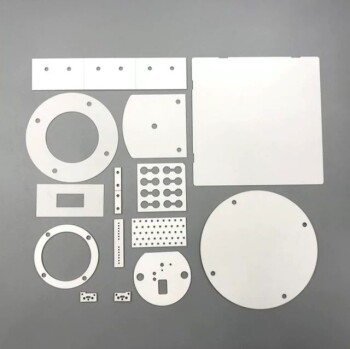
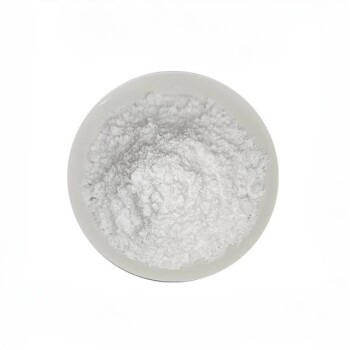
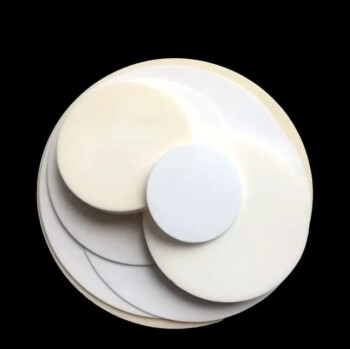
High-purity alumina supports are critical for ensuring the validity of hydrogenation experiments. They function as a chemically inert barrier between the metal sample and the high-pressure reactor vessel, preventing physical contact that could lead to unwanted electrochemical reactions or cross-contamination.
By isolating the sample from the reactor walls, these supports eliminate confounding variables, guaranteeing that any observed degradation is the result of the hydrogen interaction alone, rather than environmental interference.
The Necessity of Isolation in High-Pressure Reactors
To understand the value of high-purity alumina (typically 99% or higher), one must look at the risks present in a high-pressure experimental environment.
Preventing Electrochemical Interference
When two different metals touch in the presence of a conductive medium, they can form a galvanic cell.
If your metal sample comes into direct contact with the reactor's inner walls, it creates a pathway for electrochemical reactions.
Alumina is an electrical insulator. It breaks this circuit, ensuring the sample remains electrically isolated from the vessel hardware.
Eliminating Cross-Contamination
Reactor walls often retain microscopic residues from previous experiments or the manufacturing process.
Direct contact allows these contaminants to transfer to your sample. High-purity alumina acts as a clean, physical shield against this transfer.
Ensuring Data Integrity
The primary goal of these experiments is to measure how hydrogen gas affects a specific metal.
Isolating the Variable
Scientific rigor requires isolating the variable you are testing.
If the sample touches the wall, you cannot be certain if material degradation is caused by the hydrogen or by a reaction with the wall material.
Alumina supports ensure that hydrogen gas is the sole active agent acting upon the sample.
The Role of Chemical Inertness
The support material itself must not participate in the reaction.
Alumina is chosen for its high chemical stability. It does not react with hydrogen or the metal sample, even under high pressure.
This inertness preserves the baseline conditions of the experiment.
Common Pitfalls to Avoid
While the use of alumina is standard, the quality of that alumina is often a point of failure.
The Risk of Lower Purity
Using alumina supports with less than 99% purity introduces a new variable.
Impurities within low-grade ceramics can leach out under high-pressure conditions.
These leached impurities can act as unintended catalysts or contaminants, compromising the experimental accuracy you are trying to protect.
Misinterpreting Degradation
If a support allows for any interaction with the reactor wall, data interpretation becomes impossible.
You may observe corrosion or cracking and attribute it to hydrogen embrittlement, when it was actually caused by galvanic corrosion with the vessel.
Ensuring Experimental Success
To maximize the reliability of your hydrogenation data, you must control the physical environment of your sample.
- If your primary focus is accurate degradation analysis: Ensure your alumina supports are certified at 99% purity or higher to prevent trace element contamination.
- If your primary focus is eliminating variables: Verify that the sample geometry allows for complete physical separation from the reactor walls using the alumina support.
The use of high-purity alumina is not just a mounting step; it is a fundamental control measure that safeguards the scientific validity of your results.
Summary Table:
| Feature | Role of High-Purity Alumina | Impact on Experiment |
|---|---|---|
| Chemical Stability | Inert barrier that won't react with H2 or samples | Preserves baseline conditions |
| Electrical Isolation | Prevents galvanic cell formation with reactor walls | Eliminates electrochemical interference |
| Physical Shielding | Blocks contact with microscopic reactor residues | Prevents sample cross-contamination |
| Material Purity | 99% or higher alumina content | Prevents leaching of trace impurities |
Secure Your Experimental Accuracy with KINTEK
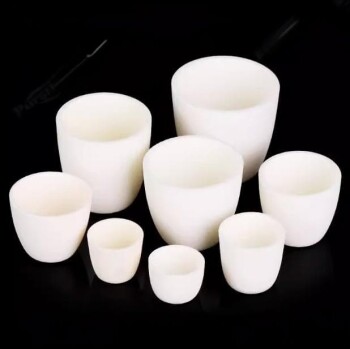
Don't let contamination or galvanic interference compromise your hydrogenation research. KINTEK specializes in high-performance laboratory equipment, providing the high-temperature high-pressure reactors and high-purity alumina consumables needed to isolate variables and ensure data integrity. Whether you require advanced autoclaves, high-temperature furnaces, or specialized ceramics and crucibles, our team is ready to equip your lab with precision-engineered solutions.
Contact KINTEK today to discuss your material testing requirements!
References
- Rafael Brisolla OBARA, Luis Chaves. Motores a Hidrogênio de Alta Durabilidade: Um Estudo Comparativo entre Ferros Fundidos e Aços. DOI: 10.5151/simea2025-pap56
This article is also based on technical information from Kintek Solution Knowledge Base .
Related Products
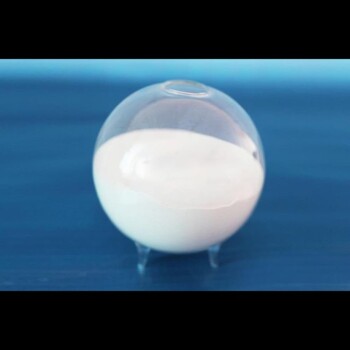
- High Purity Alumina Granulated Powder for Engineering Advanced Fine Ceramics
- High Temperature Wear-Resistant Alumina Al2O3 Plate for Engineering Advanced Fine Ceramics
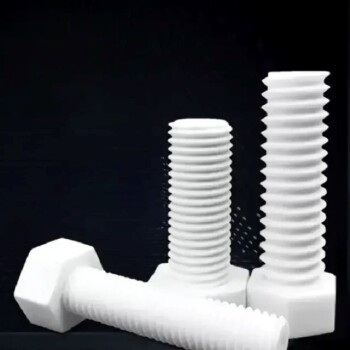
- High Quality Alumina Ceramic Screw for Engineering Advanced Fine Ceramics with High Temperature Resistance and Insulation
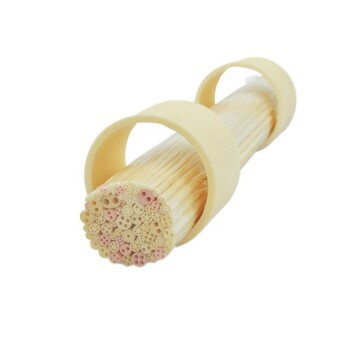
- High Temperature Aluminum Oxide (Al2O3) Protective Tube for Engineering Advanced Fine Ceramics
- High Temperature Alumina (Al2O3) Furnace Tube for Engineering Advanced Fine Ceramics
People Also Ask
- What is the function of high-purity alumina powder in pack cementation? Ensure Uniform Aerospace Blade Coatings
- How should alumina powder be selected for polishing a disc electrode, and what is the procedure for removing scratches? Achieve a Perfect Mirror Finish
- What are the properties and handling precautions for alumina powder as a polishing material? Achieve a Flawless Finish with Precision
- Why is it necessary to apply alumina powder to graphite molds for TiC10/Cu-Al2O3? Ensure Smooth Release.
- What measures should be taken to prevent cross-contamination when using different sizes of alumina powder?