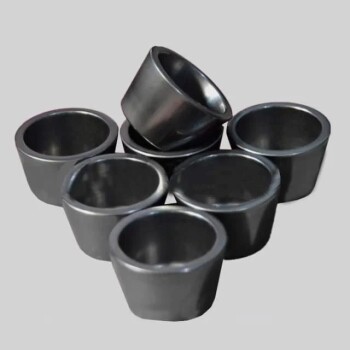
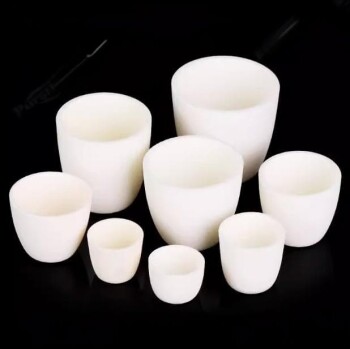
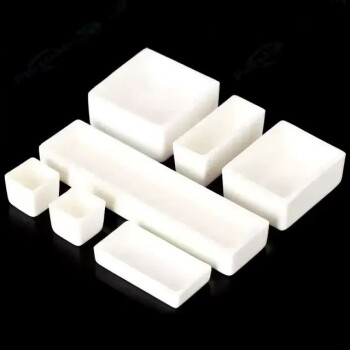
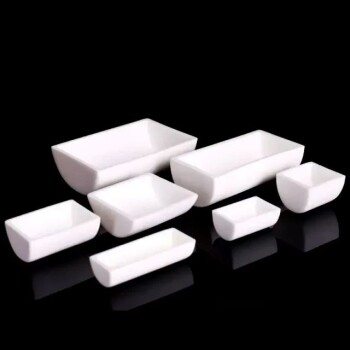
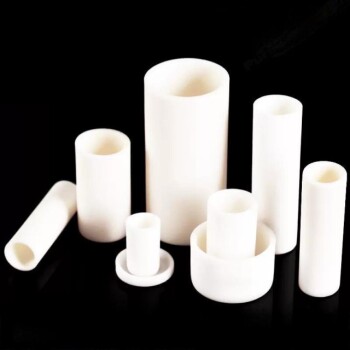
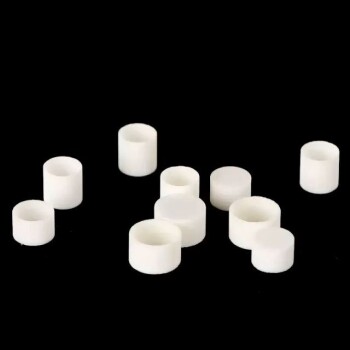
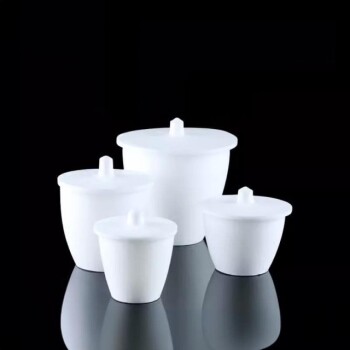
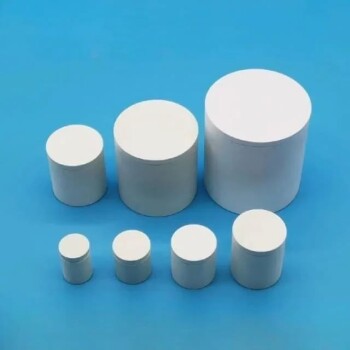
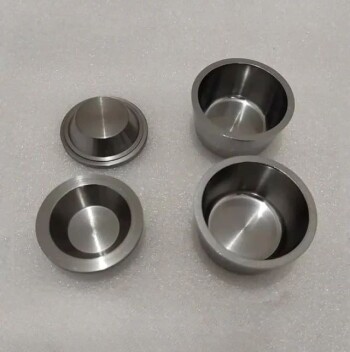
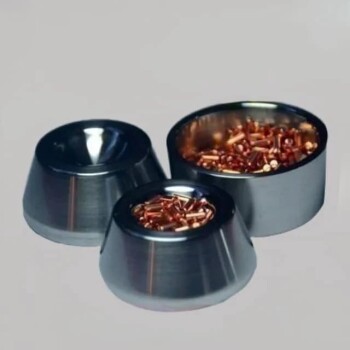
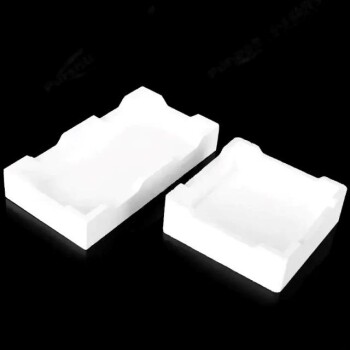
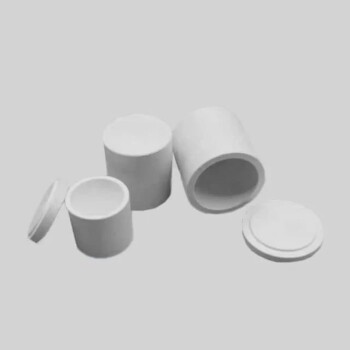
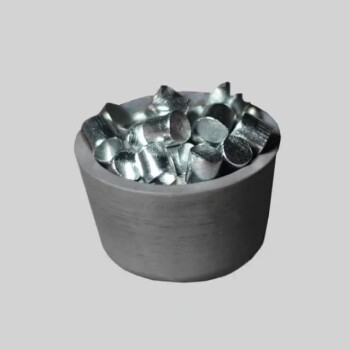
High-purity ceramic crucibles are a prerequisite for Platinum-Palladium (Pt/Pd) synthesis because these alloys exhibit high melting points and significant chemical activity at elevated temperatures. Containers made from high-purity alumina, magnesia, or zirconia provide the necessary refractoriness and inertness to withstand molten metal corrosion. Using inferior materials would inevitably lead to reactions between the melt and the container, compromising the alloy.
Core Insight: Platinum group metals are highly sensitive to contamination when molten. High-purity ceramics act as an inert barrier, specifically preventing the introduction of iron or silicon impurities that would destroy the alloy’s specific electronic structure.
The Physical Demands of Pt/Pd Alloys
Extreme Refractoriness
Platinum and Palladium require exceptional heat to melt and alloy properly. Standard containment materials often soften or melt before the alloy reaches its liquid state.
High-purity ceramic crucibles are engineered for "refractoriness"—the ability to maintain structural integrity at these extreme temperatures.
Materials such as alumina, magnesia, and zirconia are specifically chosen because they remain solid and stable well beyond the melting points of platinum group metals.
Chemical Inertness
At high temperatures, molten metals become universal solvents. They actively try to react with or dissolve the material holding them.
Pt/Pd alloys are particularly chemically active in their molten state. A standard crucible would succumb to this corrosive effect, leading to physical failure of the vessel.
High-purity ceramics offer a chemically inert surface. This prevents the molten alloy from "wetting" or corroding the crucible walls, ensuring the containment remains secure throughout the synthesis or testing process.
The Critical Role of Purity
Preventing Elemental Cross-Contamination
The primary function of the crucible is to isolate the alloy from external variables.
If the crucible material is not sufficiently inert, it will leach elements into the melt. The primary reference identifies iron and silicon as specific, harmful impurities that are frequently introduced if the wrong crucible is used.
Even trace amounts of these elements can fundamentally alter the alloy's composition, ruining the stoichiometric ratio intended by the researcher.
Preserving Electronic Structure
The value of Platinum-Palladium alloys often lies in their specific electronic properties.
These properties are derived from the precise arrangement and purity of the metal atoms. Introduction of foreign atoms (like silicon) disrupts the crystal lattice and alters the electronic behavior.
By preventing reactions with the container, high-purity ceramics ensure that the final material reflects the intrinsic properties of the Pt/Pd alloy, rather than the artifacts of a contaminated synthesis.
Understanding the Trade-offs
Thermal Shock Vulnerability
While high-purity ceramics like alumina offer excellent chemical resistance, they are often brittle.
They generally have lower thermal shock resistance compared to metals or composites. Rapid heating or cooling can cause these crucibles to crack or shatter, potentially losing the expensive Pt/Pd sample.
Chemical Specificity
"High purity" does not mean "universally compatible."
While alumina is excellent for Pt/Pd, it may not be suitable for every other alloy system (such as those containing high levels of reactive lithium, as noted in general material science contexts). You must always match the specific ceramic chemistry to the alloy's reactivity profile.
Ensuring Material Integrity
To achieve reliable results in Pt/Pd synthesis, the choice of crucible determines the validity of your data.
- If your primary focus is basic material synthesis: Ensure your crucible is composed of high-purity alumina or zirconia to prevent the introduction of iron or silicon contaminants.
- If your primary focus is electronic property characterization: Prioritize chemical inertness above all else to guarantee the observed electronic structure is intrinsic to the alloy and not a result of container interaction.
The success of high-temperature alloy research depends as much on what the material doesn't react with as the alloy itself.
Summary Table:
| Crucible Material | Key Advantage | Max Temperature Stability | Impurity Prevention |
|---|---|---|---|
| High-Purity Alumina | Excellent chemical inertness | Very High | Iron & Silicon |
| Zirconia (ZrO2) | Superior refractoriness | Extreme | Cross-contamination |
| Magnesia (MgO) | Basic slag resistance | High | Metal-wall reactions |
Elevate Your Material Research with KINTEK
Precision in Platinum-Palladium synthesis starts with the right containment. KINTEK provides industry-leading high-purity ceramic crucibles and high-temperature furnace systems designed to protect your samples from contamination and thermal failure.
Whether you are performing high-pressure research in our autoclaves, utilizing our CVD/PECVD furnaces, or requiring specialized PTFE and ceramic consumables, we deliver the tools necessary to preserve the integrity of your alloys.
Ready to optimize your lab's performance? Contact KINTEK experts today for a tailored solution.
References
- L Botha, Elizaveta Ivanovna Plastinina. Ab Initio Study of Structural, Electronic, and Thermal Properties of Pt/Pd-Based Alloys. DOI: 10.3390/condmat8030076
This article is also based on technical information from Kintek Solution Knowledge Base .
Related Products
- High Purity Pure Graphite Crucible for Evaporation
- High Purity Pure Graphite Crucible for Electron Beam Evaporation
- Arc-Shaped Alumina Ceramic Crucible High Temperature Resistant for Engineering Advanced Fine Ceramics
- Engineering Advanced Fine Alumina Al2O3 Ceramic Crucible for Laboratory Muffle Furnace
- Alumina Al2O3 Ceramic Crucible Semicircle Boat with Lid for Engineering Advanced Fine Ceramics
People Also Ask
- Why are high-purity graphite crucibles preferred for sulfide solid electrolytes? Achieve Superior Material Purity
- Why is a high-purity graphite crucible required for Chromel-TaC composites? Ensure Peak Purity at 1400°C
- What role do high-purity graphite crucibles play in molten salt corrosion research? Ensure Reactor-Grade Precision
- Why are high-purity graphite crucibles used for magnesium distillation? Ensure 3N8 Purity & Thermal Stability
- Why is a high-purity graphite crucible ideal for nitrogen-doped graphene at 1500 °C? Maximize Purity and Stability