PECVD is the cornerstone of bottom silicon cell fabrication because it enables high-performance film deposition without thermal degradation. PECVD systems allow for the creation of dense passivation and anti-reflective layers at significantly lower temperatures than traditional methods. This process not only protects the structural integrity of the silicon wafer but also actively repairs internal defects through hydrogen injection, which is vital for achieving high conversion efficiency.
Core Takeaway: PECVD systems are essential because they provide a unique combination of low-temperature processing and precise chemical control, allowing for the deposition of the ultra-thin tunneling and passivation layers required to maximize the voltage and light absorption of tandem solar cells.
Superior Passivation and Surface Protection
Reducing Surface Recombination
PECVD is primarily used to deposit passivation layers such as silicon nitride (SiNx) and aluminum oxide (AlOx) on the silicon surface. These layers are critical because they neutralize "dangling bonds" at the wafer surface that would otherwise trap and destroy charge carriers. By reducing these surface recombination losses, PECVD directly increases the open-circuit voltage (Voc) and overall efficiency of the bottom cell.
The Role of Hydrogen Passivation
A unique advantage of PECVD is its ability to act as a hydrogen source during the deposition of silicon nitride films. During subsequent heat treatments, hydrogen atoms from the film migrate into the bulk silicon to repair internal crystalline defects. This "self-healing" mechanism is essential for maintaining high performance in industrial-grade silicon wafers.
Optimizing Light Absorption
Beyond electronic protection, PECVD systems deposit anti-reflection coatings (ARC) that minimize the amount of light bouncing off the cell surface. By precisely controlling the refractive index of these films, engineers can ensure that more photons reach the active layers of the tandem structure. This fine-tuned control is achieved by adjusting the plasma energy and precursor gas ratios during the deposition process.
Precision Engineering of Selective Contacts
Ultra-Thin Tunneling Layers
In advanced tandem architectures, PECVD is utilized to grow ultra-thin silicon oxide (SiOx) tunneling layers, often as thin as 1.2 nm. These layers must be incredibly uniform to allow charge carriers to tunnel through while blocking unwanted species. PECVD provides the extreme precision necessary to maintain this thickness across the entire surface of a large-scale solar wafer.
Doped Selective Contact Layers
PECVD systems are highly versatile, capable of decomposing gases like silane, diborane, and phosphine to create doped layers. These systems can deposit phosphorus-doped or boron-doped silicon carbide (SiCx) films that serve as selective contact layers. By adjusting methane flow during the process, manufacturers can precisely control the carbon content to balance excellent passivation with efficient charge transport.
Protecting Cell Integrity with Low-Temperature Processing
Minimizing Thermal Stress
Unlike standard Chemical Vapor Deposition, PECVD uses plasma energy rather than high heat to trigger chemical reactions. This allows the system to operate at relatively low temperatures, typically between 180°C and 225°C. This low-temperature characteristic is vital for preventing thermal damage to the bottom cell, especially when using thin or flexible substrates.
Compatibility with Ultra-Thin Wafers
Modern high-efficiency cells often utilize ultra-thin silicon wafers to reduce material costs and improve flexibility. These wafers are fragile and susceptible to warping or cracking under high-temperature stress. PECVD’s ability to grow high-density films at low temperatures ensures the structural integrity of these fragile components remains intact throughout the fabrication process.
Understanding the Trade-offs
While PECVD is essential, it does introduce specific technical challenges that must be managed. The reliance on plasma can sometimes lead to plasma-induced damage if the energy levels are not perfectly calibrated, potentially harming the very surface it is meant to passivate.
Furthermore, PECVD systems are generally more complex and require higher capital investment than simpler coating methods. Maintaining uniformity across large areas is also a constant engineering hurdle, as variations in plasma density can lead to inconsistent film thickness and compromised cell performance across the wafer.
Implementing PECVD in Tandem Cell Production
To maximize the benefits of PECVD systems in a production environment, manufacturers must align their process parameters with their specific cell architecture goals.
- If your primary focus is Maximum Conversion Efficiency: Prioritize PECVD configurations that allow for the precise deposition of doped silicon carbide layers and ultra-thin tunneling oxides to minimize resistive losses.
- If your primary focus is High Throughput and Cost Reduction: Optimize the SiNx deposition recipes to maximize the hydrogen passivation effect, which allows for the use of more affordable, lower-grade silicon wafers.
- If your primary focus is Mechanical Flexibility: Utilize the lowest possible plasma temperature settings (below 200°C) to ensure compatibility with polymer-based substrates without sacrificing film density.
By mastering the precise control offered by PECVD, manufacturers can unlock the full efficiency potential of tandem solar cell structures.
Summary Table:
| Feature | Role in Tandem Solar Cells | Key Benefit |
|---|---|---|
| Passivation Layers | Deposits SiNx & AlOx films | Reduces surface recombination & boosts voltage |
| Hydrogen Injection | Repairs internal crystalline defects | "Self-healing" mechanism for industrial wafers |
| Low-Temp Processing | Operates at 180°C - 225°C | Prevents thermal stress and protects thin wafers |
| Selective Contacts | Grows ultra-thin (~1.2nm) SiOx | Precise charge tunneling and efficient transport |
Elevate Your Photovoltaic Research with KINTEK Precision
At KINTEK, we specialize in the high-performance laboratory equipment essential for advancing solar technology. Our advanced PECVD, CVD, and MPCVD systems are engineered to provide the meticulous control required for ultra-thin tunneling layers and superior surface passivation in tandem solar cell structures.
Beyond vapor deposition, our comprehensive portfolio includes:
- High-Temperature Furnaces: Muffle, vacuum, tube, and atmosphere furnaces for precise thermal processing.
- Material Processing: Crushing and milling systems, hydraulic presses, and high-pressure reactors.
- Specialized Lab Tools: Electrolytic cells, battery research consumables, and ULT freezers.
Whether you are a researcher pushing the boundaries of conversion efficiency or a manufacturer seeking reliable supply chains for essential consumables like PTFE and ceramics, KINTEK is your trusted partner. Contact our experts today to optimize your fabrication workflow!
References
- Matthew Wright, Ruy S. Bonilla. Design considerations for the bottom cell in perovskite/silicon tandems: a terawatt scalability perspective. DOI: 10.1039/d3ee00952a
This article is also based on technical information from Kintek Solution Knowledge Base .
Related Products
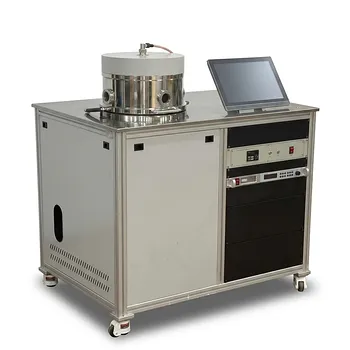
- RF PECVD System Radio Frequency Plasma-Enhanced Chemical Vapor Deposition RF PECVD
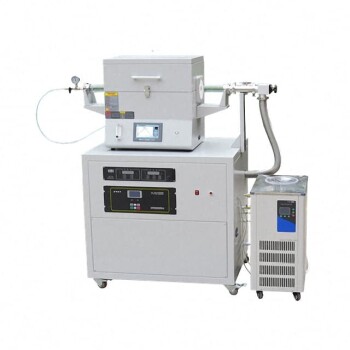
- Chemical Vapor Deposition CVD Equipment System Chamber Slide PECVD Tube Furnace with Liquid Gasifier PECVD Machine
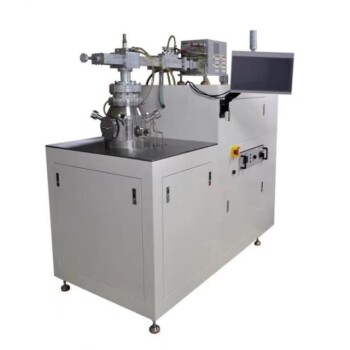
- Inclined Rotary Plasma Enhanced Chemical Vapor Deposition PECVD Equipment Tube Furnace Machine
- Inclined Rotary Plasma Enhanced Chemical Vapor Deposition PECVD Equipment Tube Furnace Machine
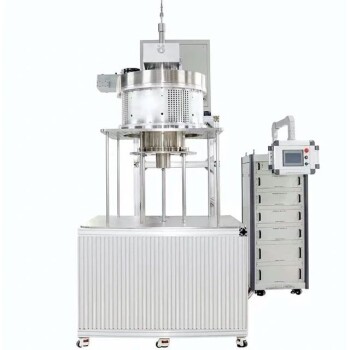
- 915MHz MPCVD Diamond Machine Microwave Plasma Chemical Vapor Deposition System Reactor
People Also Ask
- What is plasma enhanced chemical vapour deposition PECVD used for? Enable Low-Temp Thin Films for Electronics & Solar
- What is an example of PECVD? RF-PECVD for High-Quality Thin Film Deposition
- What is the role of RF-PECVD in VFG preparation? Mastering Vertical Growth and Surface Functionality
- What is plasma enhanced chemical Vapour deposition process used for fabrication of? A Guide to Low-Temperature Thin Films
- What is plasma chemical vapor deposition? A Low-Temperature Thin Film Coating Solution