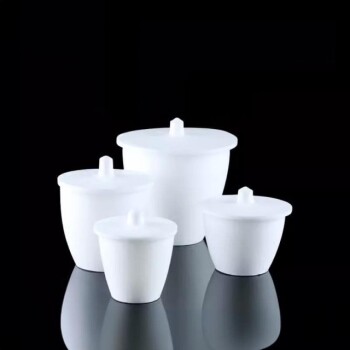
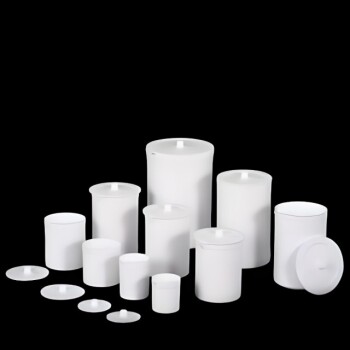
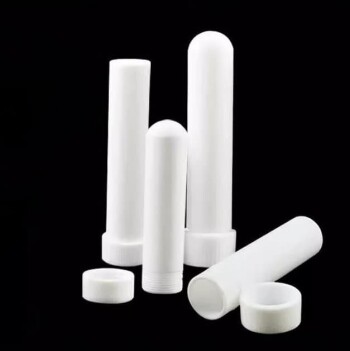
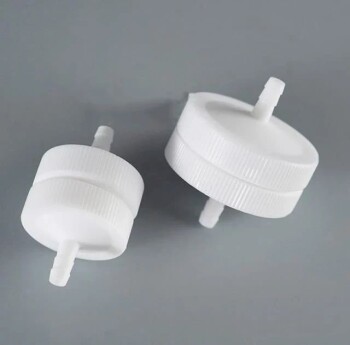
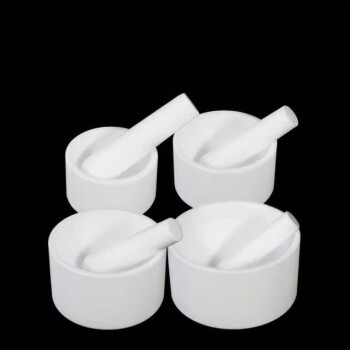
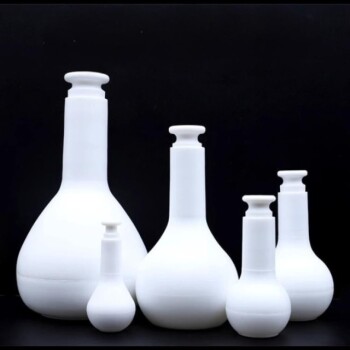
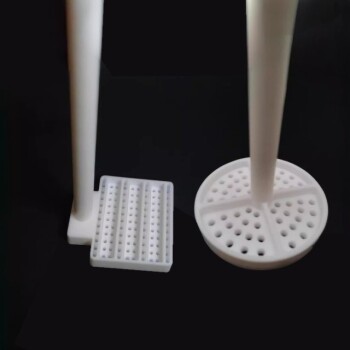
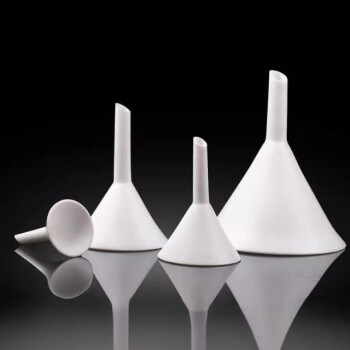
PTFE liners and corrosion-resistant ceramic consumables are essential in polyamide hydrolysis because they are chemically inert to the extreme pH levels and high temperatures inherent in these reactions. By placing a stable barrier between the reaction mixture and the reactor vessel, these materials prevent the corrosion of metal equipment and ensure the purity of the recovered monomers.
Core Takeaway Polyamide degradation research requires harsh environments that readily attack standard laboratory metals. Using inert liners is not just a safety precaution; it is a fundamental requirement to prevent metallic contamination from compromising your experimental data and product yield.
The Chemical Challenge of Hydrolysis
Dealing with Extreme pH Levels
Polyamide chemical degradation does not occur under mild conditions. Research in this field frequently necessitates environments with pH values greater than 13 or the use of strong acidic media.
Standard stainless steel reactors cannot withstand this level of alkalinity or acidity for prolonged periods without suffering surface degradation or pitting.
The Role of High Temperatures
Chemical inertness alone is insufficient; the material must also perform under heat. Hydrolysis reactions require elevated temperatures to break the strong amide bonds efficiently.
The combination of heat and corrosive media accelerates the degradation of standard reactor materials, making specialized consumables mandatory.
Why Inert Materials are the Solution
PTFE: The Ultimate Chemical Shield
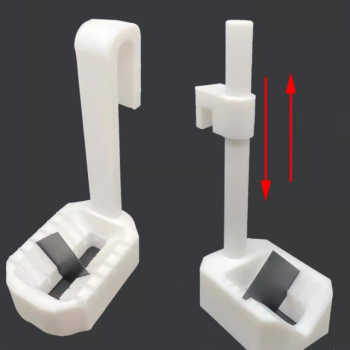
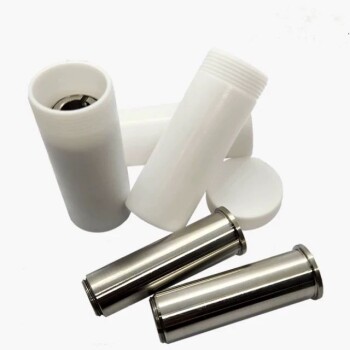
PTFE (Polytetrafluoroethylene) provides exceptional resistance to chemical attack.
When used as a liner, it acts as a robust gasket and barrier, completely isolating the metal reactor body from the corrosive hydrolysis mixture.
Ceramics: Stability for High-Purity Applications
Like PTFE, ceramic crucibles and liners offer high-temperature stability without reactivity.
They are particularly valued for their ability to withstand thermal stress while remaining chemically neutral, ensuring that the reaction environment remains stable throughout the experiment.
Preventing Sample Contamination
The primary scientific goal of these experiments is often the recovery of pure monomers, such as caprolactam or diamines.
If the reactor walls corrode, metallic impurities leach into the mixture. PTFE and ceramic consumables eliminate this variable, preventing experimental errors and ensuring the purity of the final product.
Understanding the Trade-offs
Thermal Limitations of PTFE
While PTFE is excellent for chemical resistance, it has thermal ceilings. At extremely high temperatures, PTFE can soften or deform, potentially leading to seal failures if the reaction conditions exceed its specific thermal rating.
Mechanical Brittleness of Ceramics
Ceramics offer superior heat resistance compared to PTFE but lack mechanical resilience. They are prone to cracking under physical shock or rapid thermal gradients (thermal shock) if not handled with precise care.
Making the Right Choice for Your Goal
Selecting the correct consumable depends on the specific parameters of your hydrolysis experiment.
- If your primary focus is Equipment Longevity: Prioritize PTFE liners to protect expensive metal reactor bodies from pitting and corrosion caused by strong acids or bases.
- If your primary focus is Monomer Purity: Ensure your consumables are rated for high chemical inertness to avoid leaching ions that could contaminate caprolactam or diamine recovery.
By matching the liner material to your chemical conditions, you ensure both the safety of your hardware and the integrity of your data.
Summary Table:
| Feature | PTFE Liners | Ceramic Consumables |
|---|---|---|
| Chemical Resistance | Exceptional (Inert to most acids/bases) | High (Resistant to chemical attack) |
| Thermal Stability | Up to ~260°C (Varies by grade) | Very High (Withstands extreme heat) |
| Primary Benefit | Total isolation of metal reactor walls | Stability under thermal stress |
| Best Used For | General corrosion prevention | High-purity applications |
| Risk Factor | Thermal softening at high temperatures | Mechanical brittleness/thermal shock |
Elevate Your Chemical Research with KINTEK Precision Solutions
Don't let corrosive environments compromise your experimental integrity or damage expensive hardware. KINTEK specializes in providing high-performance laboratory equipment and consumables tailored for the most demanding applications. Whether you are performing acid-base catalytic hydrolysis or high-pressure synthesis, we offer:
- Reaction Vessels: High-temperature high-pressure reactors and autoclaves with specialized liners.
- Inert Consumables: Premium PTFE products, chemical-resistant ceramics, and crucibles designed for purity.
- Processing Power: Advanced crushing, milling, and hydraulic presses (pellet, hot, isostatic) for material preparation.
- Research Tools: Electrolytic cells, battery research tools, and cooling solutions like ULT freezers and freeze dryers.
Protect your research and maximize monomer recovery today. Contact KINTEK for a custom quote and expert technical support!
References
- Lin Zheng, Chonggang Wu. Recycling and Degradation of Polyamides. DOI: 10.3390/molecules29081742
This article is also based on technical information from Kintek Solution Knowledge Base .
Related Products
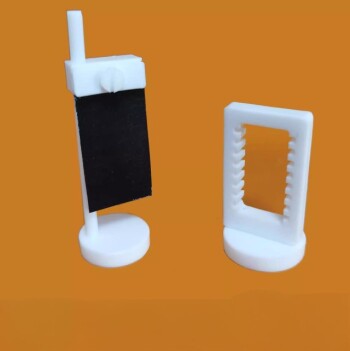
- Custom PTFE Teflon Parts Manufacturer for Hydrothermal Synthesis Reactor Polytetrafluoroethylene Carbon Paper and Carbon Cloth Nano-growth
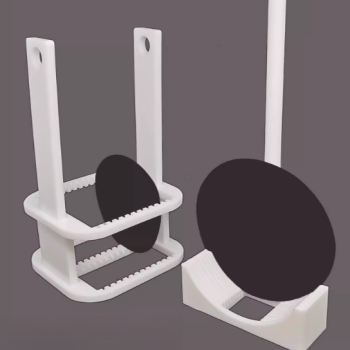
- Customizable PTFE Wafer Carriers for Semiconductor and Lab Applications
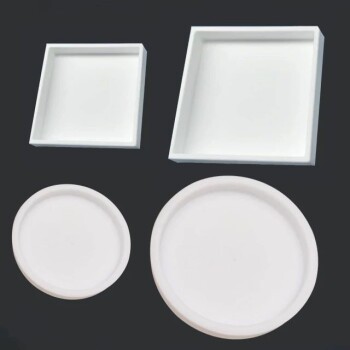
- Custom PTFE Teflon Parts Manufacturer for PTFE Containers
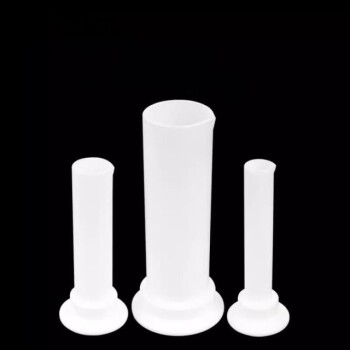
- Custom PTFE Teflon Parts Manufacturer for PTFE Measuring Cylinder 10/50/100ml
- Custom Machined and Molded PTFE Teflon Parts Manufacturer with PTFE Crucible and Lid
People Also Ask
- What is the function of a PTFE reactor in MXene etching? Ensure Safe, High-Purity MAX Phase Conversion
- Why is a PTFE reactor required for titanium-based nano-ceramic coating solutions? Ensure Chemical Inertness & Purity
- Why must a Polytetrafluoroethylene (PTFE) reactor be used for Ti3C2TX MXene etching? Ensure Safety and Purity
- Why are PTFE reactors preferred for silver phosphate glass testing? Ensure Purity and Kinetic Accuracy
- What are the advantages of using polytetrafluoroethylene (PTFE) liners in hydrothermal synthesis reactors? High Purity