Ruthenium-Titanium coated Mixed Metal Oxide (MMO) electrodes are the preferred choice for chlorate production because they fundamentally optimize the balance between electrochemical efficiency and physical durability. They function as highly effective catalytic centers that drive the necessary chemical reactions while withstanding the aggressive conditions inherent to the process.
The core value of Ruthenium-Titanium MMO anodes is their ability to significantly reduce the energy barrier (overpotential) for chlorine evolution, thereby improving current efficiency, while utilizing a robust titanium substrate to ensure long-term survival in corrosive, high-concentration brine.
The Drivers of Electrochemical Performance
Enhancing Catalytic Activity
The primary function of the Ruthenium-Titanium coating is to provide high electrocatalytic activity.
These oxides act as specific catalytic centers designed to facilitate the chlorine evolution reaction. By targeting this specific reaction, the electrode ensures that the electrical energy is directed toward producing the desired chemical output rather than waste products.
Reducing Energy Consumption
Efficiency in electrolysis is largely determined by overpotential—the extra voltage required to drive a reaction.
Ruthenium-Titanium coatings significantly reduce the chlorine evolution overpotential. This reduction means less energy is required to initiate and sustain the process, directly leading to improved current efficiency and lower operational costs.
Engineering for Durability and Stability
The Role of the Titanium Substrate
While the coating handles the chemistry, the structural integrity is provided by a robust titanium substrate.
This substrate offers high mechanical strength, ensuring the electrode maintains its physical form under industrial stresses. It acts as the backbone that supports the active catalytic layer.
Withstanding Harsh Environments
Chlorate production involves high-concentration brine and strong oxidizing conditions, which are destructive to many materials.
The titanium substrate provides exceptional corrosion resistance against these aggressive chemical attacks. This chemical stability ensures a long service life, preventing premature failure and reducing the frequency of maintenance shutdowns.
Understanding the Operational Dynamics
The Synergy of Coating and Substrate
Success relies on the bond between the active oxide layer and the base metal.
The Ruthenium-Titanium oxide layer provides the necessary conductivity and catalysis, while the titanium base resists the corrosive electrolyte. This synergy allows the anode to operate efficiently without the substrate passivating or corroding.
Stability Under Load
In high-output industrial settings, consistency is critical.
Because these electrodes are chemically stable, they maintain their performance characteristics over time. This stability ensures that the current efficiency remains high throughout the operational lifespan of the anode, rather than degrading rapidly after installation.
Making the Right Choice for Your Goal
To maximize the value of your electrochemical process, consider your specific operational priorities:
- If your primary focus is Operational Efficiency: Utilize these electrodes to lower voltage requirements by reducing chlorine evolution overpotential, thereby cutting power consumption.
- If your primary focus is Equipment Longevity: Rely on the corrosion-resistant titanium substrate to minimize replacement costs in strong oxidizing and high-salinity environments.
By leveraging the catalytic power of Ruthenium and the strength of Titanium, you ensure a process that is both energy-efficient and mechanically robust.
Summary Table:
| Feature | Ru-Ti MMO Electrode Advantage |
|---|---|
| Core Function | Lowers chlorine evolution overpotential |
| Energy Impact | Higher current efficiency and lower power consumption |
| Substrate Material | High-strength, corrosion-resistant Titanium |
| Chemical Stability | Withstands high-concentration brine and oxidizing agents |
| Longevity | Extended service life with minimal maintenance shutdowns |
Maximize Your Electrochemical Yield with KINTEK Precision
Elevate your production efficiency with KINTEK’s high-performance electrolytic cells and electrodes. Specifically engineered for the most demanding industrial applications, our Ruthenium-Titanium MMO anodes provide the perfect synergy of catalytic activity and mechanical robustness.
Whether you are scaling up chlorate production or refining sensitive electrochemical processes, KINTEK offers a comprehensive range of laboratory and industrial solutions—including high-temperature reactors, vacuum furnaces, and specialized consumables like PTFE and ceramics—to ensure your facility operates at peak performance.
Ready to reduce your energy overhead and extend equipment life?
Contact KINTEK Today to Consult with Our Experts
References
- Mayra Kerolly Sales Monteiro, Manuel A. Rodrigo. Towards the production of chlorine dioxide from electrochemically <scp><i>in‐situ</i></scp> produced solutions of chlorate. DOI: 10.1002/jctb.7073
This article is also based on technical information from Kintek Solution Knowledge Base .
Related Products
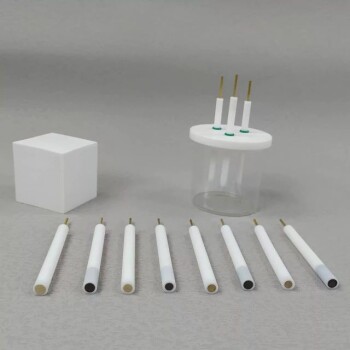
- Metal Disc Electrode Electrochemical Electrode
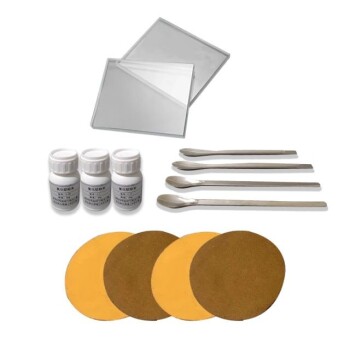
- Electrode Polishing Material for Electrochemical Experiments
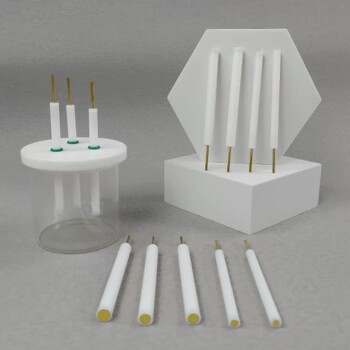
- Gold Disc Electrode
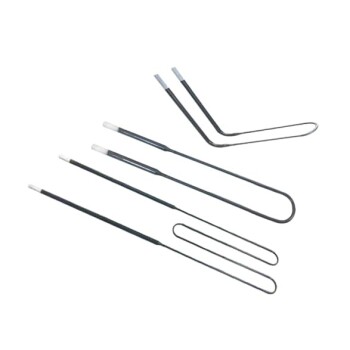
- Molybdenum Disilicide (MoSi2) Thermal Elements Electric Furnace Heating Element
- Gold Electrochemical Sheet Electrode Gold Electrode
People Also Ask
- What are the recommended surface protection methods for different types of metal disk electrodes? Essential Guide for Longevity
- What precautions should be taken when using metal disk electrodes? Ensure Accuracy and Longevity
- What is the expected lifespan of a metal disk electrode? Extend Its Life with Proper Care
- How should a metal disk electrode and its corresponding electrolyte be prepared before an experiment? A Step-by-Step Guide
- What methods can be used to verify the performance of a metal disk electrode? Ensure Accurate Electrochemical Results