The use of a high-pressure stainless steel autoclave with a PTFE liner is non-negotiable for this synthesis because it creates a sealed hydrothermal environment capable of withstanding 180°C while resisting chemical attack. The stainless steel shell creates the structural integrity needed to contain immense internal pressure, while the PTFE (Polytetrafluoroethylene) liner is the only barrier preventing the corrosive fluoride ions in the reaction mixture from destroying the metal vessel.
The stainless steel shell generates the autogenous pressure required to drive precursor solubility and crystal formation, while the PTFE liner creates an inert barrier against fluoride corrosion. Together, they ensure the successful conversion of precursors into highly crystalline NH4TiOF3 mesocrystals without metal contamination.
Creating the Hydrothermal Environment
The Role of Autogenous Pressure
The stainless steel shell is designed to provide mechanical support for a closed system.
When the sealed autoclave is heated to 180°C, the liquid inside expands and creates autogenous pressure (pressure generated by the substance itself).
Increasing Reactivity and Solubility
This high-pressure environment fundamentally alters the behavior of the chemical precursors.
The elevated pressure significantly increases the solubility and reactivity of the materials, forcing them to dissolve and interact in ways that are impossible at standard atmospheric pressure.
Facilitating Crystal Transformation
This specific environment is required to drive the chemical conversion process.
Under these conditions, the precursors successfully convert into highly crystalline NH4TiOF3 mesocrystals, which are the critical intermediate structures for the final N/TiO2-x product.
The Critical Function of the PTFE Liner
Resistance to Fluoride Corrosion
The synthesis of N/TiO2-x mesocrystals involves fluoride ions (evident in the formation of NH4TiOF3).
Fluoride is extremely corrosive to metals; without the PTFE liner, these ions would attack the stainless steel wall, potentially breaching the vessel and ruining the reactor.
Ensuring Product Purity
Beyond safety, the liner is essential for the quality of the nanomaterials.
By isolating the reaction mixture from the steel shell, the liner prevents metal ion contamination. This ensures the final mesocrystals maintain high purity and structural integrity, free from leached iron or other alloying metals.
Understanding the Trade-offs
Temperature Limitations of PTFE
While PTFE provides excellent chemical inertness, it imposes a thermal ceiling on the reaction.
Unlike a pure metal reactor, a PTFE-lined vessel generally cannot exceed specific temperature thresholds (typically around 200°C–250°C depending on the grade) without the liner deforming or releasing toxic off-gassing.
Safety and Pressure Management
The "closed system" nature of the autoclave creates inherent risks.
If the precursors generate more gas than anticipated, or if the temperature control fails, the internal pressure can exceed the stainless steel's yield strength. The liner itself adds a layer of complexity to safety inspections, as it can hide stress fractures in the inner metal wall.
Making the Right Choice for Your Goal
To ensure successful synthesis of N/TiO2-x mesocrystals, apply the following principles:
- If your primary focus is Structural Integrity: Ensure the stainless steel shell is rated for pressures significantly higher than the autogenous pressure generated at 180°C.
- If your primary focus is Chemical Purity: Inspect the PTFE liner before every run for scratches or deformation, as even micro-fissures can allow fluoride ions to leach metal contaminants from the shell.
The synergy between the mechanical strength of steel and the chemical inertness of PTFE is the only way to safely harness the high-pressure conditions required for this specific crystallization.
Summary Table:
| Feature | Function in Synthesis | Importance for N/TiO2-x |
|---|---|---|
| Stainless Steel Shell | Structural Integrity | Withstands autogenous pressure at 180°C |
| PTFE Liner | Chemical Inertness | Prevents fluoride corrosion and metal leaching |
| Sealed Design | Hydrothermal Environment | Increases precursor solubility and reactivity |
| Temperature Rating | Thermal Management | Ensures safe conversion to NH4TiOF3 crystals |
Elevate Your Material Synthesis with KINTEK Precision
Achieving high-purity N/TiO2-x mesocrystals requires hardware that can withstand extreme chemical and physical demands. KINTEK specializes in premium laboratory solutions, offering a robust range of high-temperature high-pressure reactors and autoclaves designed specifically for hydrothermal synthesis. Our PTFE-lined vessels ensure your reactions remain free from contamination while providing the safety and durability your research demands.
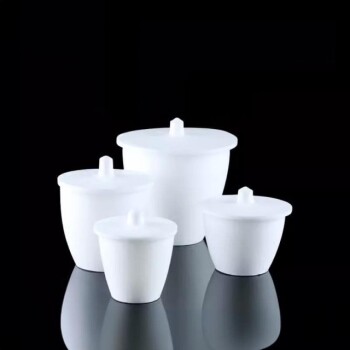
From advanced ceramics and crucibles to specialized crushing and milling systems, KINTEK provides the comprehensive tools needed for cutting-edge battery research and nanomaterial development. Don't compromise on purity or safety—contact our technical experts today to find the perfect reactor for your lab's specific needs.
References
- Xiaolan Kang, Zhenquan Tan. <i>In situ</i> formation of defect-engineered N-doped TiO<sub>2</sub> porous mesocrystals for enhanced photo-degradation and PEC performance. DOI: 10.1039/c8na00193f
This article is also based on technical information from Kintek Solution Knowledge Base .
Related Products
- Stainless High Pressure Autoclave Reactor Laboratory Pressure Reactor
- Mini SS High Pressure Autoclave Reactor for Laboratory Use
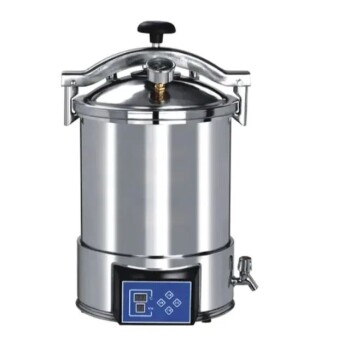
- Portable High Pressure Laboratory Autoclave Steam Sterilizer for Lab Use
- Desktop Fast High Pressure Laboratory Autoclave Sterilizer 16L 24L for Lab Use
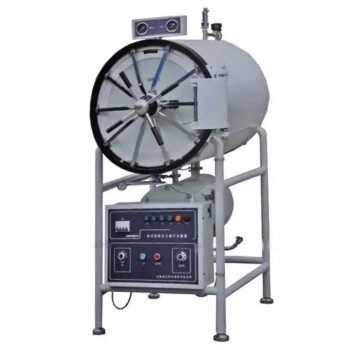
- Laboratory High Pressure Horizontal Autoclave Steam Sterilizer for Lab Use
People Also Ask
- Why is a laboratory high-pressure reactor used in the hydrothermal synthesis of hydroxyapatite catalysts?
- What role does a laboratory high-pressure reactor play in the leaching process of spent cathode materials? Optimize Recovery
- Why is a laboratory high-pressure reactor necessary for synthesizing fly ash-based zeolite? Achieve Pure Crystallization
- What conditions do laboratory high-pressure reactors provide for HTC? Optimize Your Biochar Production Processes
- What is the function of a high-pressure reactor autoclave? Enhancing Cu/N Co-Doped Carbon Catalyst Synthesis