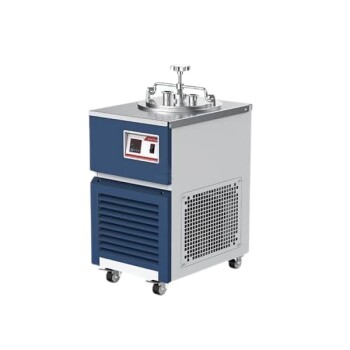
Liquid cooling is mandatory for stainless steel sealing caps on high-temperature ceramic tubes to prevent catastrophic seal failure caused by thermal conduction. While the ceramic tube creates the high-temperature environment (often exceeding 1200°C), the cooling system acts as a thermal barrier, actively removing heat that migrates to the tube ends to ensure the sealing materials and external sensors survive.
The Core Insight High-temperature reactors face a critical "thermal gradient" challenge. The central reaction zone is designed for extreme heat, but the peripheral sealing interfaces are often composed of temperature-sensitive polymers; liquid cooling bridges this gap, maintaining the mechanical integrity of the vacuum or gas seal.
The Mechanism of Thermal Management
Combatting Thermal Conduction
Ceramic reaction tubes are frequently operated at temperatures exceeding 1200°C.
Although the heat is concentrated in the center, thermal energy naturally travels outward toward the ends of the tube. Without intervention, this conduction heats the stainless steel sealing caps significantly.
Protecting the Weakest Link: The Seal
The primary reason for liquid cooling is the material limitation of the seal itself.
Most precision sealing systems utilize polymer materials, such as Polytetrafluoroethylene (PTFE). While excellent for chemical resistance and vacuum integrity, these polymers have a much lower thermal threshold than ceramic or steel.
Preventing Material Deformation
If the stainless steel cap overheats, the PTFE seal will soften, deform, or melt.
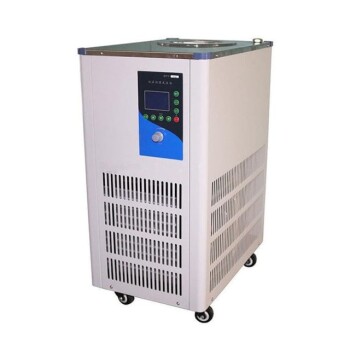
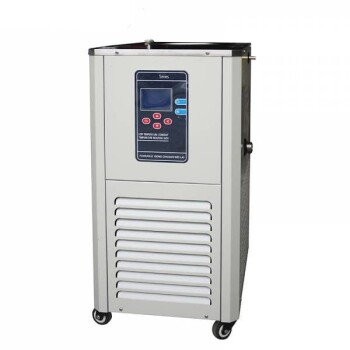
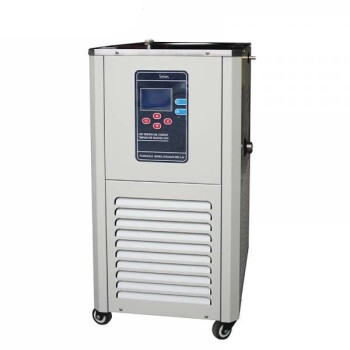
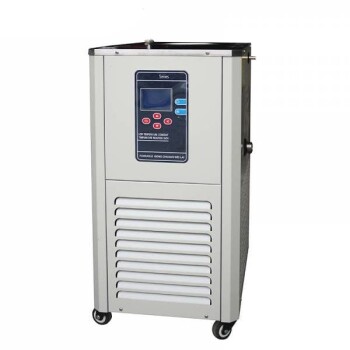
A liquid cooling circulation system continuously extracts this excess heat. This keeps the sealing zone within a specific temperature range where the polymer maintains its shape and elasticity, preventing gas leaks or oxygen ingress.
Beyond the Seal: System Protection
Shielding External Instrumentation
Sealing caps act as the mounting point for critical peripherals.
External sensors, gauges, and control equipment are often attached directly to these metal caps. Liquid cooling ensures these sensitive electronic components are not subjected to destructive conductive heat, preventing data errors or hardware failure.
Mitigating Thermal Expansion
Drastic temperature changes can cause metal components to expand at different rates than the ceramic tube.
By regulating the temperature of the cap, the system minimizes thermal expansion stress. This helps maintain a consistent clamping force on the seal without introducing dangerous bending moments that could crack the brittle ceramic tube.
Understanding the Risks and Trade-offs
The Danger of Passive Cooling
Reliance on passive cooling (air convection) is rarely sufficient for high-temperature applications.
As noted in industrial contexts, uncooled inlet and outlet flanges can easily reach temperatures between 300°C and 600°C. This far exceeds the safe operating limits of standard sealing polymers and even high-temperature silicone O-rings (which typically fail around 320°C).
Complexity vs. Reliability
Implementing a liquid cooling loop adds complexity to the reactor setup.
It requires a chiller, tubing, and monitoring for leaks. However, this complexity is the necessary "insurance premium" required to use superior sealing materials like PTFE, which offer better vacuum performance than non-cooled, high-temperature packing alternatives.
Making the Right Choice for Your Project
Determine your cooling needs based on your operational parameters and sealing requirements.
- If your primary focus is High-Vacuum or High-Purity Atmospheres: You must use liquid cooling to enable the use of PTFE seals, which offer superior gas-tightness compared to high-temp packing.
- If your primary focus is Equipment Longevity: Implement liquid cooling to protect expensive downstream sensors and controllers from conductive heat damage.
Ultimately, liquid cooling converts a high-temperature structural risk into a controlled, reliable interface for long-term operation.
Summary Table:
| Feature | Risk Without Cooling | Benefit of Liquid Cooling |
|---|---|---|
| Sealing Integrity | Polymer seals (PTFE) melt or deform | Maintains elasticity and gas-tight seal |
| Hardware Safety | Sensor and gauge failure from heat | Protects sensitive external electronics |
| Tube Longevity | Thermal expansion stress & cracking | Regulates cap temperature to reduce stress |
| Thermal Barrier | Caps reach 300°C - 600°C | Actively removes heat from tube ends |
Upgrade Your Thermal Processing Reliability
Don't let seal failure compromise your research. KINTEK specializes in advanced laboratory equipment, providing high-performance high-temperature furnaces (tube, muffle, vacuum, and CVD) equipped with precision-engineered cooling solutions. From high-temperature high-pressure reactors to specialized PTFE consumables and ceramics, we deliver the tools necessary for stable, long-term operation.
Enhance your system's durability and precision today. Contact our technical experts for a custom solution!
References
- Jörn Matthies, Ulrich Nieken. Electrically Heated Oxide Ceramic Tubes for High Temperature Reactions. DOI: 10.1002/cite.202200186
This article is also based on technical information from Kintek Solution Knowledge Base .
Related Products
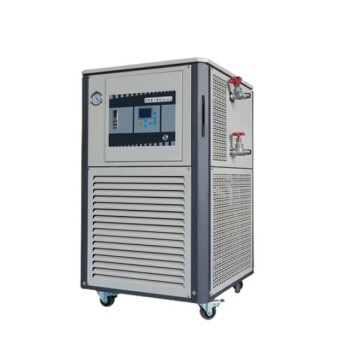
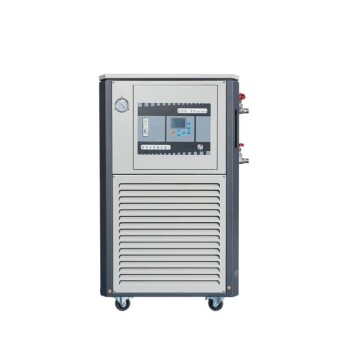
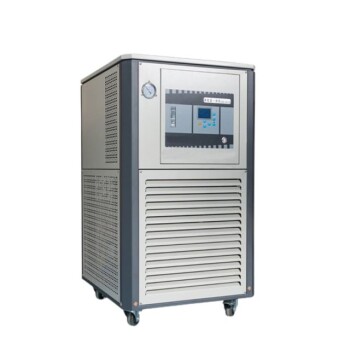
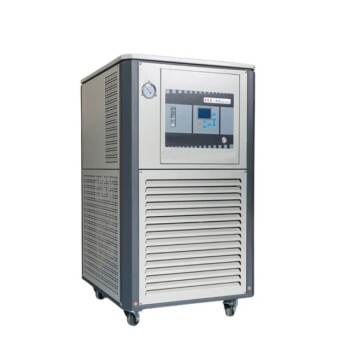
- 100L Chilling Circulator Cooling Water Circulator for Low Temperature Constant Temperature Reaction Bath Water Bath Cooling
- 80L Chilling Circulator Cooling Water Circulator for Water Bath Cooling and Low Temperature Constant Temperature Reaction Bath
- 5L Chilling Circulator Cooling Water Bath Circulator for Low Temperature Constant Temperature Reaction Bath
- 10L Chilling Circulator Cooling Water Bath Low Temperature Constant Temperature Reaction Bath
- 20L Chiller Water Bath Cooling Circulator Low Temperature Constant Temperature Reaction Bath
People Also Ask
- What function does a circulating cooling chiller perform during the gas adsorption isotherm testing of nanoporous carbon?
- Why is a circulating water chiller required for Prussian Blue nanoparticles? Ensure Stability & Batch Reproducibility
- What is the purpose of a cooling circulation water bath system in electrochemical experiments? Enhance Lab Precision
- How does a constant temperature circulator support the leaching reaction of gold scrap? Optimize Gold Recovery Results
- How do constant temperature circulators impact weight-loss immersion tests? Ensure Precision in Corrosion Analysis