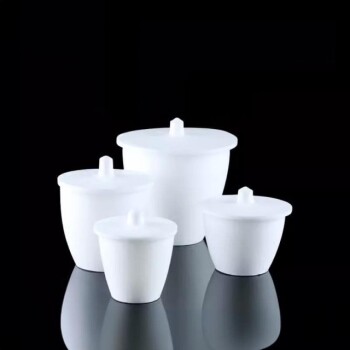
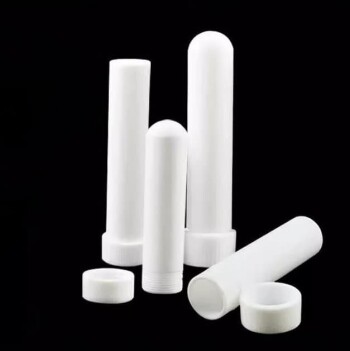
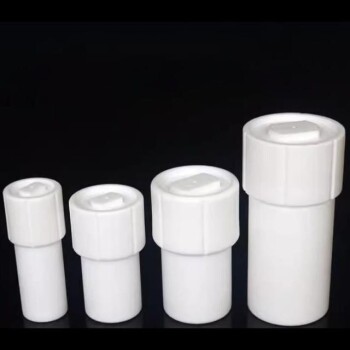
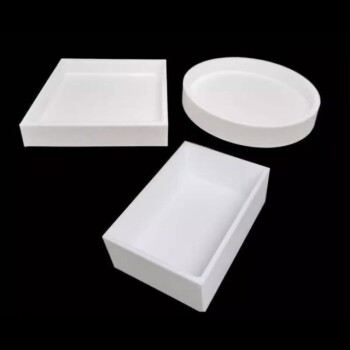
A Polytetrafluoroethylene (PTFE) liner is mandatory for the hydrothermal growth of copper sulfate nanocrystals primarily to serve as a chemical barrier against corrosion and contamination. It isolates the dilute sulfuric acid medium from the stainless steel autoclave, preventing the acid from degrading the vessel and ensuring no foreign metal ions compromise the purity of the final nanomaterial.
Core Takeaway: The PTFE liner acts as an inert shield that serves two simultaneous purposes: it protects the stainless steel reactor from structural corrosion by hot sulfuric acid, and it protects the developing copper sulfate crystals from being contaminated by dissolved metal impurities.
The Critical Role of Chemical Inertness
The success of hydrothermal synthesis relies heavily on maintaining a pristine reaction environment. The PTFE liner is the specific component that guarantees this stability.
Combating the Acidic Medium
The growth of copper sulfate nanocrystals requires a dilute sulfuric acid medium. While necessary for the chemistry of the crystal, this acid is aggressive.
At the high temperatures required for the reaction, this acidic solution becomes highly corrosive. Without a liner, the solution would directly attack the walls of the steel vessel.
Preserving Crystal Purity
The most significant risk in this process is cross-contamination.
If the sulfuric acid were to contact the stainless steel autoclave body, it would leech metals—such as iron, chromium, or nickel—into the solution.
The PTFE liner is chemically inert. It ensures that the only elements participating in the crystal growth are those you intentionally added, preventing metal impurities from embedding into the copper sulfate lattice.
Preventing Equipment Degradation
Beyond protecting the sample, the liner is essential for protecting your hardware.
The Mechanism of Protection
Stainless steel autoclaves are designed to withstand immense pressure, but they are vulnerable to chemical attack.
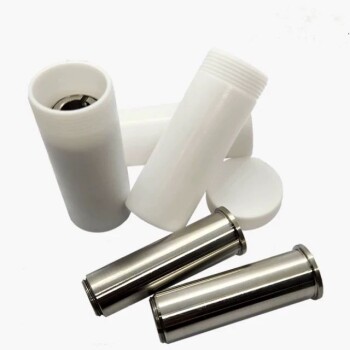
The PTFE liner serves as a removable, non-reactive insert. It contains the liquid solution entirely, ensuring the expensive stainless steel shell is never exposed to the harsh internal chemical environment.
Withstanding Autogenous Pressure
While the steel shell provides the structural strength to hold the pressure, the PTFE liner is flexible enough to transfer that pressure without cracking.
It effectively seals the reaction, allowing autogenous pressure (pressure generated by heating the solvent) to build up safely, which is a requirement for hydrothermal crystal growth.
Understanding the Trade-offs
While PTFE liners are the industry standard for this application, they do have specific limitations that must be respected.
Thermal Limits
PTFE is excellent for chemical resistance, but it has a lower melting point than the steel shell.
These liners are generally suitable for reactions between 120°C and 160°C. If your specific synthesis requires temperatures exceeding 200°C–220°C, the PTFE may deform or degrade, potentially leading to leaks or sample loss.
Porosity and Cleaning
Although inert, PTFE can sometimes be slightly porous to certain small molecules over repeated high-pressure cycles.
While rare in this specific inorganic synthesis, it is vital to inspect the liner surface for discoloration or deformation between runs to ensure previous reagents do not leach out in subsequent experiments.
Making the Right Choice for Your Synthesis
When preparing for hydrothermal synthesis, the inclusion of the liner dictates the quality of your results.
- If your primary focus is Crystal Purity: You must use the PTFE liner to prevent iron or chromium ions from the steel body from doping your copper sulfate crystals.
- If your primary focus is Equipment Longevity: You must use the liner to prevent the hot dilute sulfuric acid from pitting and corroding the interior of your high-pressure autoclave.
Summary: The PTFE liner is the singular barrier that allows you to utilize the high-pressure benefits of a steel autoclave without suffering the chemical drawbacks of metal reactivity.
Summary Table:
| Feature | PTFE Liner Benefit | Impact on Synthesis |
|---|---|---|
| Chemical Resistance | Inert to dilute sulfuric acid | Prevents vessel corrosion and structural damage |
| Purity Control | Blocks metal ion leaching (Fe, Cr, Ni) | Ensures high-purity nanocrystals without doping |
| Pressure Safety | Flexible pressure transfer | Supports autogenous pressure build-up safely |
| Thermal Range | Optimized for 120°C - 160°C | Ideal for standard inorganic crystal growth |
Elevate Your Nanomaterial Synthesis with KINTEK Precision
Don't let metal contamination or vessel corrosion compromise your research results. At KINTEK, we specialize in high-performance laboratory solutions, providing premium high-temperature high-pressure reactors and autoclaves equipped with high-grade PTFE liners designed for the most demanding hydrothermal environments.
From advanced battery research tools to specialized ceramics and crucibles, our comprehensive portfolio ensures your lab is equipped for excellence. Whether you are growing nanocrystals or performing complex material synthesis, KINTEK offers the durability and purity your work demands.
Ready to upgrade your laboratory setup? Contact us today to find the perfect autoclave solution for your application!
References
- Chinedu Christian Ahia, Edson L. Meyer. Development of cupric sulphate nanocrystals on fluorine-doped tin oxide substrates using hydrothermal technique. DOI: 10.1007/s10854-023-10839-3
This article is also based on technical information from Kintek Solution Knowledge Base .
Related Products
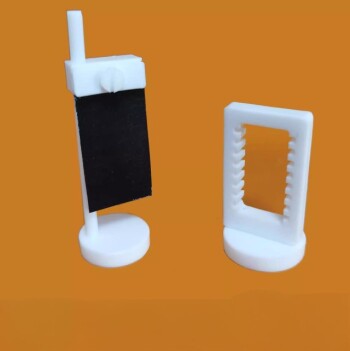
- Custom PTFE Teflon Parts Manufacturer for Hydrothermal Synthesis Reactor Polytetrafluoroethylene Carbon Paper and Carbon Cloth Nano-growth
- Custom PTFE Teflon Parts Manufacturer for PTFE Containers
- Custom PTFE Teflon Parts Manufacturer PTFE Beaker and Lids
- Custom PTFE Teflon Parts Manufacturer for PTFE Measuring Cylinder 10/50/100ml
- Custom Machined and Molded PTFE Teflon Parts Manufacturer with PTFE Crucible and Lid
People Also Ask
- What is the function of a PTFE reactor in MXene etching? Ensure Safe, High-Purity MAX Phase Conversion
- Why is a PTFE reactor required for titanium-based nano-ceramic coating solutions? Ensure Chemical Inertness & Purity
- Why must a Polytetrafluoroethylene (PTFE) reactor be used for Ti3C2TX MXene etching? Ensure Safety and Purity
- Why are PTFE reactors preferred for silver phosphate glass testing? Ensure Purity and Kinetic Accuracy
- What are the advantages of using polytetrafluoroethylene (PTFE) liners in hydrothermal synthesis reactors? High Purity