Quartz glass is the definitive material choice for reaction chambers in plastic pyrolysis simulations because it acts as a neutral, high-endurance boundary. Specifically, it offers exceptional thermal stability to withstand extreme heat while remaining chemically inert against aggressive byproducts like hydrogen chloride (HCl) and hydrogen sulfide (H2S), ensuring the chamber itself does not interfere with the corrosion data.
Core Insight Validating corrosion resistance requires a reaction environment that is an observer, not a participant. Quartz glass is selected because it withstands high-temperature fluctuations without reacting with corrosive gases or the alloy sample, guaranteeing that the experimental data reflects the material's degradation rather than environmental contamination.
The Critical Role of Chemical Inertness
Resisting Aggressive Byproducts
Simulating plastic pyrolysis generates highly corrosive gases, specifically hydrogen chloride (HCl) and hydrogen sulfide (H2S). Quartz glass possesses superior chemical inertness, allowing it to resist chemical erosion even when exposed to these aggressive environments. This ensures the structural integrity of the chamber remains intact throughout the experiment.
Eliminating Catalytic Interference
In kinetic measurements, it is vital that the reaction chamber walls do not influence the chemical process. Quartz does not catalytically react with cracking gas components. This ensures that phenomena such as carbon deposition occur exclusively on the central alloy sample, rather than on the reactor walls.
Preventing Sample Contamination
Using a reactive chamber material could introduce foreign elements into the test environment. Quartz acts as a clean barrier, ensuring the atmosphere remains pure. This prevents experimental errors caused by contamination from the chamber material, ensuring only the intended corrosive atmosphere interacts with the specimen.
Thermal Stability and Atmospheric Control
Withstanding High Temperatures
Plastic pyrolysis simulations require rigorous thermal conditions, often reaching temperatures up to 950°C. Quartz glass offers excellent thermal stability, allowing it to endure these high temperatures and the associated fluctuations without degrading.
Ensuring Airtight Containment
Precise control over the chemical potential environment is essential, particularly when using reducing gas mixtures like argon-hydrogen blends. Quartz tubes provide excellent airtightness, acting as a physical barrier against external leaks.
Preventing Abnormal Oxidation
The physical barrier provided by the quartz tube is critical for excluding external oxygen. This prevents the abnormal oxidation of liquid metals or samples, which would otherwise skew the results of high-reduction experiments.
Understanding the Trade-offs
Physical Fragility vs. Chemical Purity
While quartz offers unmatched chemical resistance, it introduces physical fragility not present in metal reactors. The primary trade-off is the operational care required to handle the brittle glass tubes to avoid breakage during setup and heating cycles.
Scale Limitations
Quartz is ideal for laboratory-scale simulations due to its purity. However, scaling up to larger industrial sizes becomes mechanically challenging and expensive compared to metal alloys, limiting its use primarily to controlled, high-precision experimental setups.
Making the Right Choice for Your Experiment
To ensure your simulation yields valid, reproducible data, align your equipment selection with your specific analytical goals:
- If your primary focus is corrosion kinetics: Select quartz to ensure that carbon deposition and chemical reactions are isolated solely to the alloy sample, eliminating wall effects.
- If your primary focus is atmosphere control: Rely on quartz for its superior airtightness to prevent oxygen ingress and maintain specific gas ratios (e.g., Argon-Hydrogen or N2-O2 blends).
By isolating your samples within a quartz environment, you transform a volatile chemical process into a measurable, controlled scientific benchmark.
Summary Table:
| Feature | Quartz Glass Tube Performance | Benefit to Pyrolysis Experiments |
|---|---|---|
| Chemical Inertness | Resists HCl, H2S, and corrosive gases | Prevents chamber degradation and sample contamination |
| Thermal Stability | Withstands temperatures up to 950°C | Maintains structural integrity under extreme heat cycles |
| Catalytic Effect | Non-catalytic surface | Ensures reactions occur only on the sample, not the walls |
| Atmospheric Seal | High airtightness | Prevents oxygen ingress and ensures precise gas control |
| Optical Clarity | Transparent boundary | Allows for visual monitoring of the pyrolysis process |
Elevate Your Research Precision with KINTEK
Don't let chamber interference compromise your critical corrosion data. KINTEK specializes in providing high-performance laboratory equipment, including premium quartz glass tubes and high-temperature tube furnaces designed for rigorous plastic pyrolysis simulations. Our comprehensive portfolio also includes CVD/PECVD systems, high-pressure reactors, and specialized PTFE consumables to support every stage of your material science and battery research.
Ready to achieve more accurate, reproducible experimental results? Contact our technical experts today to find the perfect high-temperature solution for your lab!
References
- Manuela Nimmervoll, Roland Haubner. Effect of Varying H2S Content on High-Temperature Corrosion of Ferritic and Austenitic Alloys in a Simulated Pyrolysis Process of Post-Consumer Plastics. DOI: 10.1007/s00501-021-01126-x
This article is also based on technical information from Kintek Solution Knowledge Base .
Related Products
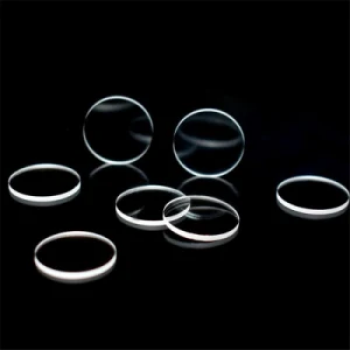
- High Temperature Resistant Optical Quartz Glass Sheet
- Laboratory Rapid Thermal Processing (RTP) Quartz Tube Furnace
- Optical Window Glass Substrate Wafer Quartz Plate JGS1 JGS2 JGS3
- 1200℃ Split Tube Furnace with Quartz Tube Laboratory Tubular Furnace
- Optical Window Glass Substrate Wafer Single Double Sided Coated K9 Quartz Sheet
People Also Ask
- What is the high temperature of quartz? Key Thresholds for Crystalline vs. Fused Silica
- What is high temperature quartz? A Guide to Unmatched Thermal Stability & Purity
- What is the high temperature variety of quartz? Unlock the Secrets of Beta-Quartz & Fused Quartz
- Which materials are used as high temperature resistance materials? A Guide to Superalloys, Ceramics & Composites
- What is optical quartz? The Ultimate Material for UV and High-Temp Optics