A quartz reactor is the preferred vessel for high-temperature oxygen permeation testing because it provides a chemically neutral and thermally stable environment up to 1000°C. By preventing reactions between the reactor walls and the membrane materials, it ensures that the data collected reflects the true performance of the sample rather than artifacts of the experimental setup.
The core value of a quartz reactor lies in isolation: it physically separates gas atmospheres to prevent leakage while chemically isolating the sample to prevent catalytic side reactions, guaranteeing that permeation rates and selectivity measurements remain accurate.
Achieving Accuracy in Extreme Environments
To evaluate oxygen permeation membranes effectively, you must subject them to conditions that mimic real-world operation without introducing experimental error. Quartz addresses the two primary challenges of this environment: extreme heat and chemical reactivity.
Withstanding High Thermal Loads
Oxygen permeation testing often requires temperatures reaching 1000°C.
At these elevated temperatures, many standard laboratory materials would soften, deform, or outgas. Quartz maintains its structural integrity and mechanical stability, ensuring consistent testing conditions throughout the heating cycle.
Preventing Chemical Interference
The most critical advantage of quartz is its chemical inertness.
In a testing scenario involving materials like LSCF (Lanthanum Strontium Cobalt Ferrite) membranes or metal supports, a reactive vessel could alter the results. Quartz does not react with these components, ensuring the reactor walls do not become an active variable in your experiment.
Eliminating Catalytic Side Effects
Beyond simple chemical reactions, reactor walls can sometimes act as catalysts for unwanted processes.
Quartz prevents the reactor surface from engaging in catalytic side reactions with hydrocarbons or steam. This ensures that any chemical phenomena—such as surface exchange or carbon deposition—occur exclusively on the specimen being studied, not on the reactor walls.
Isolating Experimental Variables
The validity of permeation data depends entirely on controlling the atmosphere surrounding the membrane. Quartz reactors are engineered to provide this rigorous control.
Ensuring Strict Airtightness
Accurate evaluation of permeation rates requires the total physical isolation of the feed side from the permeate side.
Quartz reactors offer high airtightness, preventing gas crossover between these two distinct atmospheres. This seal is essential for calculating accurate oxygen selectivity and ensuring that the gas measured on the permeate side actually passed through the membrane, rather than leaking around it.
Enabling Visual Monitoring
Unlike opaque metal alloys, quartz offers transparency.
This allows researchers to visually observe the interior of the furnace during the experiment. You can confirm that the experiment is proceeding under stable conditions and visually monitor the sample for physical changes or degradation in real-time.
Understanding the Trade-offs
While quartz is the superior choice for high-precision laboratory testing, it is not without limitations. Understanding these constraints is vital for experimental design.
Mechanical Fragility
Quartz is inherently brittle.
Unlike metal reactors, quartz has low fracture toughness and can shatter under mechanical shock or excessive stress during setup. Great care is required when connecting fittings or loading samples to avoid breakage.
Thermal Expansion Mismatch
While quartz handles temperature fluctuations well, it has a very low coefficient of thermal expansion.
If you are using metal seals or supports that expand significantly when heated, the mismatch between the metal and the quartz can cause stress fractures. Connection points must be designed to accommodate these differences to maintain airtightness without cracking the tube.
Making the Right Choice for Your Experiment
Selecting the right reactor material is about aligning the equipment capabilities with your specific data requirements.
- If your primary focus is Kinetic Accuracy: Choose quartz to eliminate catalytic interference from the reactor walls, ensuring all measured reaction data originates solely from your membrane or alloy sample.
- If your primary focus is Selectivity Measurement: Rely on quartz for its high airtightness, which guarantees the physical isolation of feed and permeate gas streams for precise quantification.
- If your primary focus is Process Verification: Utilize the transparency of quartz to visually confirm the stability of the atmosphere and the physical state of the sample during operation.
Ultimately, for high-temperature oxygen permeation studies, quartz provides the uncompromised baseline required to validate membrane performance with confidence.
Summary Table:
| Feature | Advantage in Oxygen Permeation Testing | Benefit to Researcher |
|---|---|---|
| Chemical Inertness | Prevents reactions between reactor walls and membrane materials. | Ensures data reflects true sample performance. |
| Thermal Stability | Maintains structural integrity at temperatures up to 1000°C. | Consistent testing conditions during high-heat cycles. |
| Transparency | Allows for direct visual monitoring of the sample and furnace. | Real-time verification of sample stability and state. |
| Airtightness | Provides strict physical isolation of feed and permeate sides. | Guarantees accurate selectivity and permeation rates. |
| Catalytic Neutrality | Prevents surface exchange or side reactions on reactor walls. | Eliminates experimental artifacts and kinetic errors. |
Elevate Your Material Research with KINTEK Precision
Don't let experimental artifacts compromise your high-temperature data. KINTEK specializes in high-performance laboratory solutions, providing the quartz reactors, high-temperature furnaces, and vacuum systems essential for precise oxygen permeation and membrane testing. Whether you are developing LSCF membranes or exploring advanced battery research, our comprehensive portfolio—including MPCVD/CVD systems, crushing & milling equipment, and specialized ceramics—is designed to meet the rigorous demands of your lab.
Ready to achieve uncompromised baseline accuracy?
Contact KINTEK Today to Consult with Our Experts
References
- Diana Marcano, José M. Serra. Controlling the stress state of La1−Sr Co Fe1−O3− oxygen transport membranes on porous metallic supports deposited by plasma spray–physical vapor process. DOI: 10.1016/j.memsci.2015.12.029
This article is also based on technical information from Kintek Solution Knowledge Base .
Related Products
- Customizable Laboratory High Temperature High Pressure Reactors for Diverse Scientific Applications
- Visual High-Pressure Reactor for In-Situ Observation
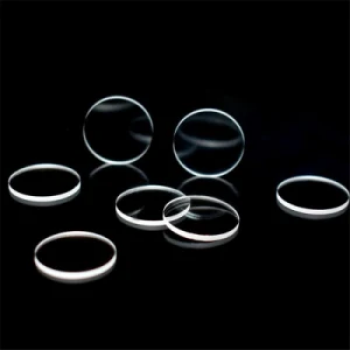
- High Temperature Resistant Optical Quartz Glass Sheet
- 1200℃ Split Tube Furnace with Quartz Tube Laboratory Tubular Furnace
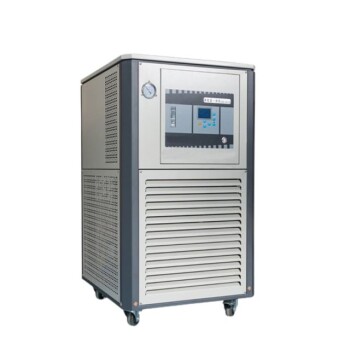
- High Temperature Constant Temperature Heating Circulator Water Bath Chiller Circulator for Reaction Bath
People Also Ask
- How do high-pressure and high-temperature reactors ensure the effective treatment of lignocellulosic wastewater in WAO?
- What equipment is required for high-pressure high-temperature reactions? Master Extreme Chemistry Safely
- How do you control high pressure in a reactor? A Guide to Safe & Stable Operation
- Why is argon better than nitrogen for inert atmosphere? Ensure Absolute Reactivity & Stability
- How does initial oxygen pressure affect the wet oxidation of pharmaceutical sludge? Master Your Oxidation Depth