Adhesive PTFE tape serves as the critical boundary that defines your experimental control. In microbial corrosion experiments on aluminum alloys, this tape is utilized to physically seal the sides and back of the specimen, ensuring that only a specific, chemically defined surface area is exposed to the corrosive medium.
Core Takeaway The primary function of adhesive PTFE tape is to ensure experimental precision by isolating a known surface area (e.g., 1 cm²) for reaction. This isolation eliminates variables caused by edge corrosion and ensures that electrochemical and weight-loss data accurately reflect the material’s behavior in the presence of bacteria.
Ensuring Data Integrity in Microbial Studies
Defining the Active Surface Area
To calculate corrosion rates accurately, you must know the exact size of the area being corroded.
Adhesive PTFE tape allows you to mask the specimen so that only a predefined surface area acts as the working electrode.
This precision is vital for standardizing current density calculations and comparing weight-loss data across different samples.
Chemical Inertness
Microbial environments are complex, living chemical systems.
PTFE is chosen for its excellent chemical stability, meaning it will not react with the aluminum, the bacterial culture, or the metabolic byproducts produced during the experiment.
This ensures that any chemical changes observed are strictly due to the interaction between the aluminum alloy and the microbes, not the sealing material.
Eliminating Edge Effects
The edges of a metal sample often have different energy states and physical characteristics than the flat surface.
If left exposed, these edges can induce edge corrosion, creating data outliers that do not represent the bulk material's performance.
Wrapping the sides in PTFE tape physically shields these vulnerable areas, confining the study to the planar surface you intend to analyze.
Flexibility and Sealing
Aluminum alloy surfaces may have minor microscopic irregularities.
The flexibility of PTFE tape allows it to conform tightly to the specimen, ensuring a uniform contact that prevents electrolyte leakage underneath the mask.
This tight seal prevents "crevice corrosion" from occurring under the tape, which would otherwise invalidate electrochemical measurements.
Understanding the Trade-offs
Application Consistency
While PTFE is excellent, the reliability of the data depends heavily on the quality of the application.
If the tape is not applied with uniform pressure, micro-gaps can form, leading to unintended electrolyte intrusion.
Mechanical Durability
Adhesive tape is generally robust, but it is not a permanent fixture.
In extremely long-duration experiments or environments with aggressive agitation, the adhesive bond can degrade, potentially altering the exposed surface area mid-experiment.
Making the Right Choice for Your Goal
To ensure your microbial corrosion data is defensible, apply PTFE masking with rigorous attention to detail.
- If your primary focus is Electrochemical Accuracy: Ensure the exposed window is measured precisely after taping to validate current density calculations.
- If your primary focus is Long-Term Exposure: Inspect the tape edges periodically to verify that the adhesive bond has not succumbed to the biological medium.
Precision in masking leads directly to precision in your conclusions.
Summary Table:
| Feature | Benefit in Microbial Corrosion Research |
|---|---|
| Defined Surface Area | Standardizes current density and weight-loss calculations |
| Chemical Inertness | Prevents reactions with bacterial cultures or metabolic byproducts |
| Edge Shielding | Eliminates data outliers caused by localized edge corrosion |
| Flexibility | Conforms to aluminum surfaces to prevent electrolyte leakage |
Elevate Your Research Precision with KINTEK
Don't let inconsistent masking compromise your experimental data. KINTEK specializes in high-performance laboratory equipment and consumables designed for the most demanding research environments. From our chemical-resistant PTFE products and crucibles to precision electrolytic cells and electrodes, we provide the tools necessary to ensure your microbial corrosion studies are accurate and reproducible.
Whether you are conducting battery research, high-temperature furnace experiments, or complex electrochemical analysis, our comprehensive portfolio—including vacuum furnaces, autoclaves, and hydraulic presses—is engineered for excellence.
Ready to optimize your lab results? Contact our technical experts today to find the perfect solutions for your aluminum alloy research.
References
- S. Noyel Victoria, R. Manivannan. Study on Corrosion Characteristics of Aluminum Alloy Al3102 in Sulfate-reducing Bacteria Environment and Investigating the Use of Azadirachta indica Leaves Extract in its Control. DOI: 10.3311/ppch.22213
This article is also based on technical information from Kintek Solution Knowledge Base .
Related Products
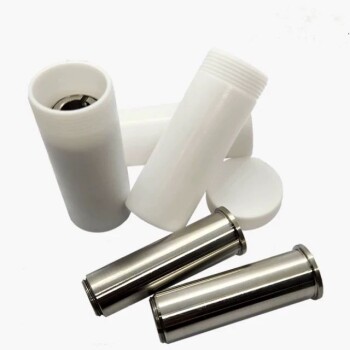
- Custom PTFE Teflon Parts Manufacturer for PTFE Bottle Oil Fume Sampling Tube
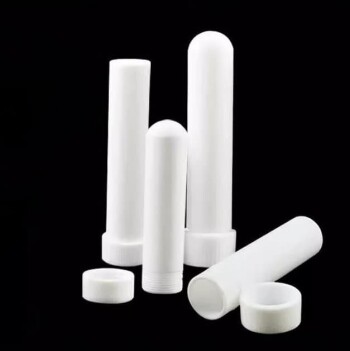
- Custom PTFE Teflon Parts Manufacturer for Centrifuge Tubes
- Custom PTFE Teflon Parts Manufacturer for Gaskets and More
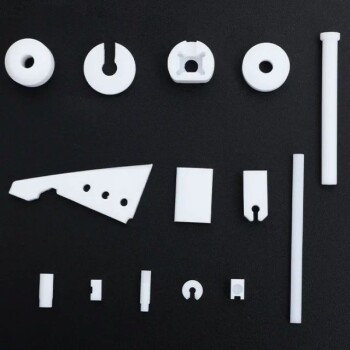
- Custom PTFE Teflon Parts Manufacturer for Non-Standard Insulator Customization
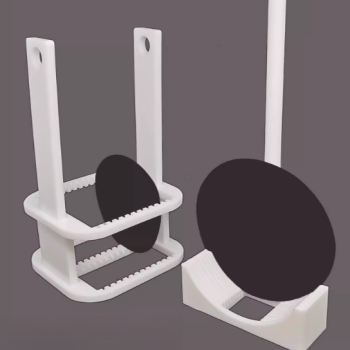
- Customizable PTFE Wafer Carriers for Semiconductor and Lab Applications
People Also Ask
- Why is slender PTFE tubing necessary for flow control in multi-channel catalyst aging? Ensure Equal Gas Distribution
- What is the significance of using PTFE gas tubing for HCl? Ensure Pure, Corrosion-Free Salt Formation
- Why Use PTFE Sample Bottles for Coal Demineralization? Ensure Chemical Stability and Data Integrity
- What makes PTFE bottles suitable for static leaching? Ensure Zero-Contamination for Glass Testing
- Is PTFE corrosion resistant? Discover the Ultimate Chemical Resistance for Your Lab