Temperature control is a prerequisite for consistency in Ni–Cr–P electrodeposition because the electrochemical process itself generates significant heat. Implementing a thermostatic water bath or ice bath counteracts this heat generation, maintaining a stable environment that is essential for uniform ion migration and the prevention of structural defects in the alloy.
The electrochemical reactions during deposition naturally produce thermal energy that can destabilize the electrolyte. A temperature control system acts as a regulator, preventing thermal fluctuations that would otherwise alter the alloy's chemical composition and compromise the coating's physical structure.
The Physics of Thermal Control
Regulating Ion Migration
Temperature directly dictates the energy and speed at which ions move through the electrolyte.
Without a thermostatic system, heat buildup accelerates ion migration rates unpredictably. This fluctuation makes it nearly impossible to maintain a steady deposition rate, leading to uneven coating thickness.
Maintaining Complex Stability
The electrolyte contains specific chemical complexes designed to hold metal ions in solution until deposition.
These complexes are sensitive to thermal changes. A stable temperature bath ensures complex stability, preventing premature breakdown or precipitation that would ruin the chemical balance of the bath.
Stabilizing Deposition Potentials
Every metal in the Ni–Cr–P alloy requires a specific voltage potential to deposit onto the substrate.
Temperature fluctuations shift these deposition potentials. By locking the temperature at a specific set point, you ensure that the energy applied deposits the metals in the correct ratio, rather than favoring one element over the others.
Preventing Structural Defects
Controlling Hydrogen Evolution
One of the most significant risks in electrodeposition is the generation of hydrogen gas at the cathode.
High temperatures lower the overpotential for hydrogen, causing excessive hydrogen evolution. This not only reduces current efficiency but can also trap gas bubbles in the coating, leading to pitting or embrittlement.
Preventing Grain Coarsening
The physical durability of a coating often depends on its grain structure; generally, finer grains yield harder, more corrosion-resistant surfaces.
Uncontrolled heat promotes rapid crystal growth, leading to a coarsening of the coating structure. A cooling system (such as an ice bath) restricts this growth energy, favoring the formation of a dense, fine-grained microstructure.
Understanding the Operational Trade-offs
Equipment Complexity vs. Process Quality
Adding a thermostatic or ice bath system introduces additional complexity and footprint to your plating setup.
However, the trade-off is unavoidable for high-performance alloys. Omitting this system simplifies the hardware but introduces a high variable of error, rendering the process unsuitable for precision applications.
Thermal Lag and Response
While water baths provide excellent stability, they possess significant thermal mass.
This means they resist temperature changes well, but if the bath does overheat due to extreme current densities, cooling it back down can take time. Proper circulation within the bath is required to ensure the temperature reading is uniform throughout the tank.
Making the Right Choice for Your Goal
To configure your system effectively, align your thermal management strategy with your specific quality targets:
- If your primary focus is Chemical Composition: Prioritize a thermostatic water bath to lock in precise ion migration rates, ensuring the Ni–Cr–P ratio remains exactly as calculated.
- If your primary focus is Microstructural Hardness: Prioritize an ice bath or active cooling to suppress grain growth and hydrogen evolution, resulting in a denser, smoother coating.
By treating temperature as a critical reagent rather than just an environmental condition, you ensure the reproducibility and integrity of your Ni–Cr–P coatings.
Summary Table:
| Factor | Effect of Uncontrolled Heat | Benefit of Thermal Control |
|---|---|---|
| Ion Migration | Unpredictable speeds; uneven thickness | Uniform deposition rates and coating thickness |
| Hydrogen Evolution | Increased pitting and embrittlement | Reduced gas bubbles; higher current efficiency |
| Grain Structure | Coarsening and reduced hardness | Dense, fine-grained, and durable microstructure |
| Chemical Ratio | Shifts in deposition potentials | Consistent Ni–Cr–P alloy composition |
| Complex Stability | Premature chemical breakdown | Maintained electrolyte balance and longevity |
Optimize Your Electrodeposition Precision with KINTEK
Achieving the perfect Ni–Cr–P alloy coating requires more than just chemistry—it requires absolute thermal stability. At KINTEK, we specialize in the high-performance laboratory equipment necessary for advanced material research. Whether you need precise cooling solutions (ULT freezers, cold traps) to suppress grain growth or electrolytic cells and electrodes for consistent deposition, our team is ready to support your lab's mission.
Our value to you:
- Comprehensive Range: From high-temperature furnaces to specialized cooling systems.
- Precision Tools: Expert-grade crushing, milling, and hydraulic presses for material preparation.
- Reliable Consumables: High-quality PTFE, ceramics, and crucibles for demanding environments.
Don't let thermal fluctuations compromise your research integrity. Contact KINTEK today to find the perfect temperature control and electrochemical solutions for your laboratory.
References
- Uttam Kumar Chanda, Soobhankar Pati. Effect of Cr content on the corrosion resistance of Ni–Cr–P coatings for PEMFC metallic bipolar plates. DOI: 10.1007/s40243-019-0158-8
This article is also based on technical information from Kintek Solution Knowledge Base .
Related Products
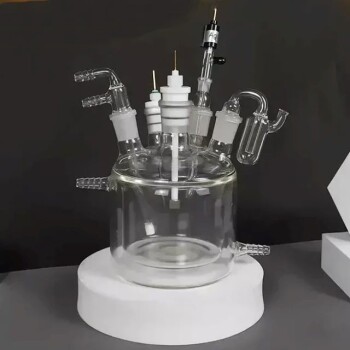
- Double Layer Five-Port Water Bath Electrolytic Electrochemical Cell
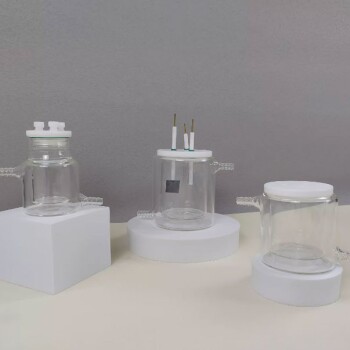
- Multifunctional Electrolytic Electrochemical Cell Water Bath Single Layer Double Layer
- Double-Layer Water Bath Electrolytic Electrochemical Cell
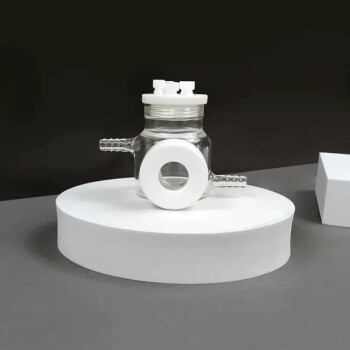
- Optical Water Bath Electrolytic Electrochemical Cell
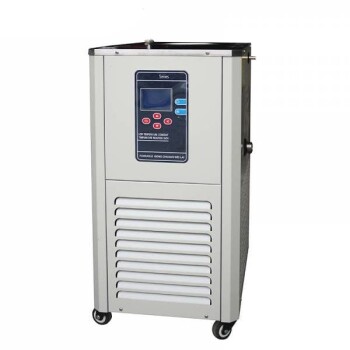
- High Temperature Constant Temperature Heating Circulator Water Bath Chiller Circulator for Reaction Bath
People Also Ask
- What does the routine maintenance of a double-layer water-bath electrolytic cell involve? A Guide to Ensuring Precision and Longevity
- When is professional repair required for a double-layer water-bath electrolytic cell? Protect Your Lab's Precision and Safety
- What are the key features of a double-layer water-bath electrolytic cell? Achieve Precise Temperature Control for Your Experiments
- What is the typical experimental system used with a double-layer water-bath electrolytic cell? Achieve Precise Electrochemical Control
- What are the procedures for after using a double-layer water-bath electrolytic cell? Ensure Equipment Longevity and Data Accuracy