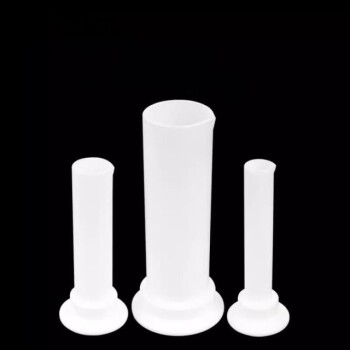
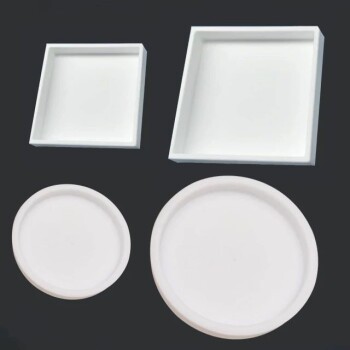
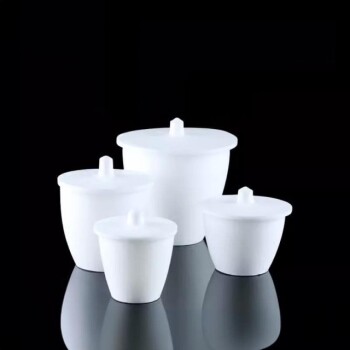
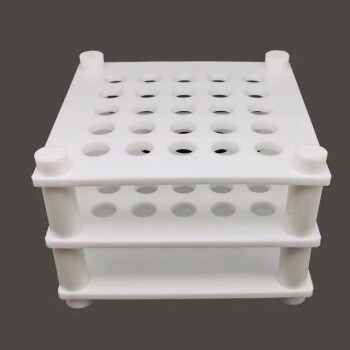
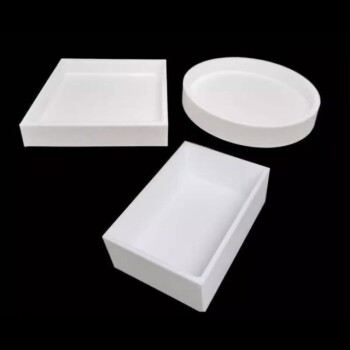
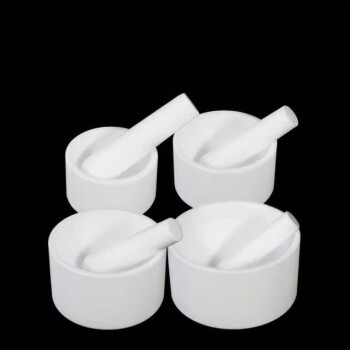
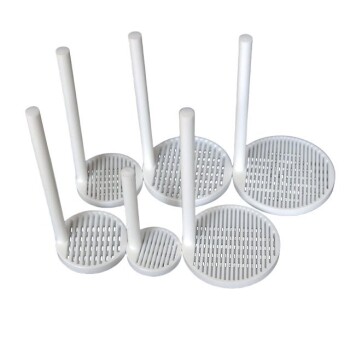
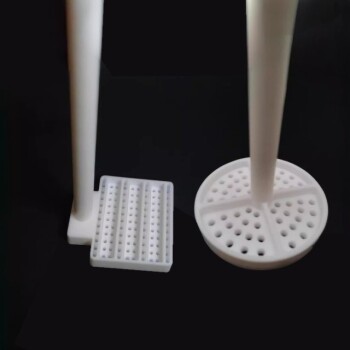
The use of a PTFE-lined stainless steel pressure reactor is critical because it creates a chemically inert barrier against the aggressive acidic environment required for hydrothermal pretreatment. Without the Polytetrafluoroethylene (PTFE) liner, the sulfonic groups and acidic ions present at high temperatures would corrode the reactor walls. This specific configuration protects the stainless steel vessel from damage while ensuring the chemical purity of the catalyst.
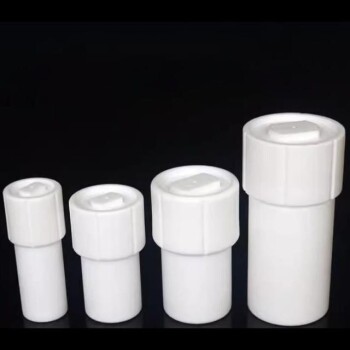
The PTFE liner serves a dual purpose: it shields the reactor’s stainless steel shell from acid corrosion while preventing metal ions from leaching into the reaction mixture, ensuring the sulfonated activated carbon catalyst remains pure and its active sites stable.
Protecting Equipment Integrity
The Corrosive Nature of Sulfonic Groups
Sulfonated activated carbon introduces sulfonic groups and acidic ions into the reaction environment. While necessary for the catalyst's function, these components are highly corrosive to metals.
Escalation at High Temperatures
Under hydrothermal conditions, such as temperatures reaching 473 K, the reactivity of these acidic components increases significantly. At these levels, unprotected stainless steel is vulnerable to rapid degradation and pitting.
The Role of the PTFE Barrier
The PTFE liner provides exceptional chemical resistance. It acts as an impermeable shield, effectively isolating the corrosive reaction mixture from the pressure-bearing stainless steel shell.
Ensuring Catalyst Performance
Preventing Metal Leaching
If the acidic solution were to contact the steel walls, metal ions would dissolve into the mixture. This is a critical failure point for catalyst synthesis.
Maintaining Active Site Purity
Leached metal ions can deposit onto the activated carbon, contaminating the material. This contamination blocks or alters the active sites, significantly reducing the stability and efficacy of the final catalyst.
Sealed High-Pressure Environment
The stainless steel outer shell provides the necessary structural integrity to withstand high pressures. This allows the reaction to occur steadily at temperatures exceeding the atmospheric boiling point of water without compromising the liner's containment.
Understanding the Trade-offs
Thermal Limits of PTFE
While the stainless steel shell can withstand extreme heat, the PTFE liner has a lower thermal ceiling. Operating beyond specific temperature thresholds (typically near or above 250°C) can cause the liner to deform, creep, or melt.
Reactant Volume and Expansion
Hydrothermal reactions involve significant fluid expansion and pressure generation. Overfilling the PTFE liner decreases the headspace required for safe expansion, which can lead to liner rupture or leakage into the steel shell.
Making the Right Choice for Your Goal
To ensure reproducible results in your catalyst synthesis, consider the following priorities:
- If your primary focus is catalyst purity: Inspect the PTFE liner surface for scratches or wear before every run to guarantee zero metal ion leaching.
- If your primary focus is equipment safety: Adhere strictly to the temperature ratings of the PTFE liner, not just the steel shell, to prevent liner failure under high pressure.
By utilizing a properly lined reactor, you ensure that your catalyst's performance is driven by its chemical design, not by contaminants from your experimental hardware.
Summary Table:
| Feature | Purpose in Hydrothermal Pretreatment |
|---|---|
| Stainless Steel Shell | Provides structural integrity to withstand high-pressure conditions at 473 K. |
| PTFE (Teflon) Liner | Acts as a chemically inert barrier against corrosive sulfonic groups and acidic ions. |
| Acid Resistance | Prevents pitting and degradation of the reactor walls in aggressive environments. |
| Purity Control | Eliminates metal ion leaching to protect the active sites of the catalyst. |
| Temperature Limit | Requires monitoring (typically <250°C) to prevent liner deformation or creep. |
Elevate Your Catalyst Research with KINTEK Precision Engineering
Maximize the stability and purity of your sulfonated activated carbon catalysts with KINTEK’s premium hydrothermal reactors. As specialists in laboratory equipment, we provide high-performance stainless steel pressure reactors and high-quality PTFE liners designed to withstand aggressive acidic environments without compromising equipment integrity.
From high-temperature high-pressure autoclaves to specialized ceramics and crucibles, KINTEK offers the complete suite of tools required for advanced material synthesis. Don't let metal contamination or equipment corrosion compromise your results.
Ready to optimize your lab's performance? Contact our technical experts today to find the perfect reactor solution for your research needs.
References
- Ayumu Onda. Selective Hydrolysis of Cellulose and Polysaccharides into Sugars by Catalytic Hydrothermal Method Using Sulfonated Activated-carbon. DOI: 10.1627/jpi.55.73
This article is also based on technical information from Kintek Solution Knowledge Base .
Related Products
- Stainless High Pressure Autoclave Reactor Laboratory Pressure Reactor
- Custom PTFE Teflon Parts Manufacturer for Hydrothermal Synthesis Reactor Polytetrafluoroethylene Carbon Paper and Carbon Cloth Nano-growth
- Custom PTFE Teflon Parts Manufacturer for Microwave Digestion Tank
- Customizable High Pressure Reactors for Advanced Scientific and Industrial Applications
- Mini SS High Pressure Autoclave Reactor for Laboratory Use
People Also Ask
- Why is a laboratory high-pressure reactor used in the hydrothermal synthesis of hydroxyapatite catalysts?
- Why is a laboratory high-pressure reactor necessary for synthesizing fly ash-based zeolite? Achieve Pure Crystallization
- What role does a laboratory high-pressure reactor play in the leaching process of spent cathode materials? Optimize Recovery
- What conditions do laboratory high-pressure reactors provide for HTC? Optimize Your Biochar Production Processes
- How are high-pressure reactors used to prepare metaphosphate electrocatalysts? Master In-Situ Precursor Growth