Vacuum pumps and inert gas systems serve a single, critical function: to purge the reaction environment of contaminants before high temperatures are applied. Specifically, they remove residual oxygen and moisture from the tube furnace and replace them with high-purity argon.
The primary purpose of this pre-treatment is to prevent the oxidation of antimony during the sulfurization process. By eliminating contaminants, you ensure the final Sb2S3 semiconductor layer achieves the high purity and superior electrical performance required for effective device operation.
The Mechanics of Atmosphere Control
Evacuating Contaminants
The first step in securing a successful reaction is the removal of atmospheric variables.
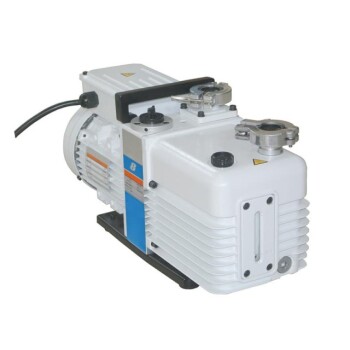
Vacuum pumps are employed to physically evacuate the tube furnace. This process strips away residual oxygen and moisture that naturally exist within the chamber air.
Establishing an Inert Environment
Once the contaminants are removed, the void must be filled to prevent re-contamination.
High-purity argon is introduced to backfill the chamber. This creates a stable, non-reactive atmosphere that remains controlled throughout the heating process.
The Impact on Material Quality
Preventing Antimony Oxidation
The most immediate risk during the heating phase is chemical interference.
If oxygen is present when heat is applied, the antimony is likely to oxidize. Using the inert gas system specifically blocks this reaction path, ensuring the antimony interacts only with the intended sulfur sources.
Enhancing Electrical Performance
The ultimate goal of this atmospheric control is semiconductor efficiency.
By preventing oxidation and maintaining high purity, the resulting Sb2S3 thin film exhibits superior electrical performance. A contaminant-free structure is essential for the material to function correctly as a semiconductor layer.
Common Pitfalls to Avoid
Incomplete Evacuation
A vacuum pump is only effective if allowed to run to completion.
Stopping the evacuation process too early leaves trace amounts of moisture or oxygen. Even small pockets of residual air can compromise the purity of the entire batch.
Compromised Inert Flow
Introducing argon is not a one-time fix if the system is not sealed.
Any leaks in the system can allow oxygen to seep back in, negating the protective benefits of the argon. The integrity of the controlled atmosphere must be maintained from the start of the process until the reaction is complete.
Ensuring High-Quality Film Fabrication
To guarantee the success of your Sb2S3 thin film production, prioritize the integrity of your environment control systems.
- If your primary focus is Chemical Purity: Ensure the vacuum pump has fully evacuated all moisture and oxygen to prevent antimony oxidation.
- If your primary focus is Electrical Performance: Verify that the high-purity argon atmosphere is stable and leak-free to support superior semiconductor behavior.
Control the atmosphere rigorously, and you secure the foundation for a high-performance device.
Summary Table:
| System Component | Primary Function | Impact on Sb2S3 Quality |
|---|---|---|
| Vacuum Pump | Evacuates residual oxygen and moisture | Prevents chemical interference and oxidation |
| Inert Gas (Argon) | Creates a stable, non-reactive atmosphere | Maintains high purity throughout heating |
| Sealed Tube Furnace | Isolates the reaction environment | Ensures consistent semiconductor behavior |
Elevate Your Material Research with KINTEK Precision
To achieve high-performance Sb2S3 thin films, your laboratory requires rigorous atmospheric control. KINTEK specializes in advanced laboratory equipment designed for precision and reliability. Whether you need high-performance vacuum tube furnaces, specialized rotary or CVD systems, or high-purity ceramic crucibles, we provide the tools necessary to prevent oxidation and maximize electrical efficiency.
From high-temperature furnaces to essential consumables like PTFE products and high-pressure reactors, KINTEK is your partner in semiconductor excellence. Contact us today to optimize your lab's workflow!
References
- Rajiv Ramanujam Prabhakar, S. David Tilley. Sb <sub>2</sub> S <sub>3</sub> /TiO <sub>2</sub> Heterojunction Photocathodes: Band Alignment and Water Splitting Properties. DOI: 10.1021/acs.chemmater.0c01581
This article is also based on technical information from Kintek Solution Knowledge Base .
Related Products
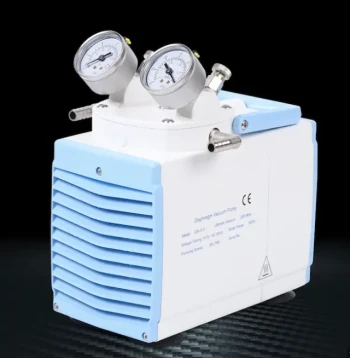
- Oil Free Diaphragm Vacuum Pump for Laboratory and Industrial Use
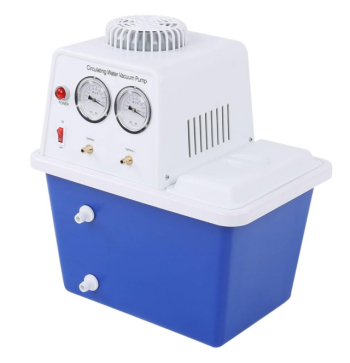
- Circulating Water Vacuum Pump for Laboratory and Industrial Use
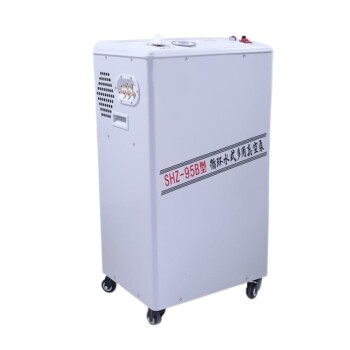
- Laboratory Vertical Water Circulating Vacuum Pump for Lab Use
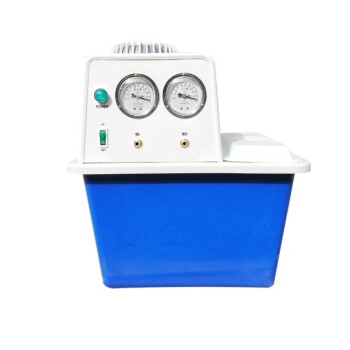
- Laboratory Benchtop Water Circulating Vacuum Pump for Lab Use
- Laboratory Rotary Vane Vacuum Pump for Lab Use
People Also Ask
- What are some typical applications for oil-free diaphragm vacuum pumps? Ensure Process Purity in Your Lab
- What is an oil-free diaphragm vacuum pump? The Ultimate Guide to Clean, Low-Maintenance Vacuum
- How does an oil-free diaphragm vacuum pump work? A Guide to Clean, Contamination-Free Vacuum
- What are the advantages of using oil-free diaphragm vacuum pumps? Achieve Clean, Low-Maintenance Vacuum
- What factors should be considered when selecting an oil-free diaphragm vacuum pump? A Guide to Optimal Performance & Longevity