CVD materials
Custom CVD Diamond Coating for Lab Applications
Item Number : cvdm-05
Price varies based on specs and customizations
- Thickness:
- <50μm
- Thickness after polishing:
- <30μm

Shipping:
Contact us to get shipping details Enjoy On-time Dispatch Guarantee.
Why Choose Us
Easy ordering process, quality products, and dedicated support for your business success.
Introduction
Chemical vapor deposition (CVD) diamond coating is a process for depositing a thin film of diamond onto a substrate. The process involves the deposition of a carbon-containing gas onto a heated substrate in the presence of a hydrogen-containing gas. The carbon atoms in the gas are ionized and accelerated towards the substrate, where they react with the hydrogen atoms to form diamond.
CVD diamond coatings have a number of advantages over natural diamond, including their low friction coefficient, excellent wear resistance, thermal stability, good uniformity, and good adhesion. These properties make CVD diamond coatings ideal for a wide range of applications, including cutting tools, wire drawing dies, acoustic devices, and friction and wear applications.
CVD diamond coatings are typically deposited on a variety of substrates, including silicon, carbide, and metal. The thickness of the coating can be controlled by varying the deposition time and temperature. CVD diamond coatings can be grown with a variety of surface structures, including smooth, faceted, and textured. The surface structure of the coating can be tailored to optimize the film for a given application.
Applications
CVD diamond coating application has a wide range of applications due to its exceptional properties such as low friction coefficient, excellent wear resistance, good thermal stability, uniformity, and adhesion. Some of the main application areas include:
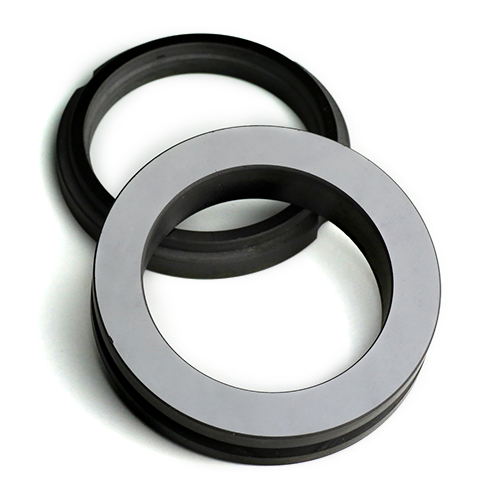
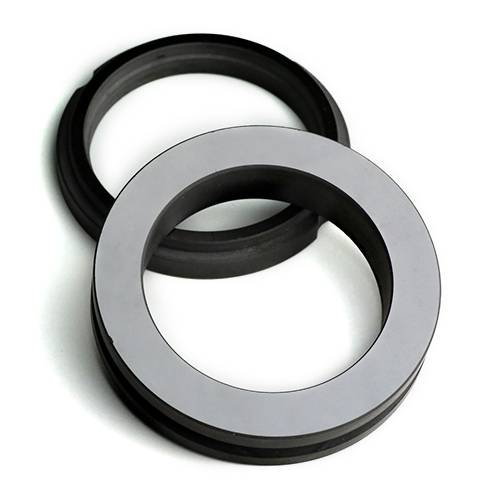
- Diamond thin film coated SiC for sealing applications in harsh environments.
- Diamond thin film coated deep-cavity cemented carbide wire drawing dies with circular cross-section cavities.
- Diamond thin film coated deep-cavity cemented carbide wire drawing dies with irregular-shaped cavities.
- Diamond thin film coated silicon wafer for acoustic applications (high-frequency (GHz) surface acoustic wave (SAW) devices).
- Diamond thin film coatings for friction and wear applications.
Features
The CVD Diamond coating feature offers a range of benefits and features that make it a valuable choice for various applications:
-
Low friction coefficient: This feature reduces friction and wear, leading to improved performance and longer lifespan of tools and components.
-
Excellent wear resistance: The diamond coating provides exceptional resistance to wear and abrasion, making it suitable for applications where durability is critical.
-
Excellent thermal stability: The coating exhibits high thermal stability, enabling it to withstand extreme temperatures without compromising its properties.
-
Good uniformity: The CVD process ensures uniform coating thickness and consistency, resulting in reliable and predictable performance.
-
Good adhesion: The diamond coating adheres strongly to the substrate, ensuring a durable and long-lasting bond.
-
Wide range of surface structures: The CVD process allows for the growth of various surface structures, such as thin and smooth surfaces, thicker films, and faceted surfaces, enabling optimization for specific applications.
Principle
Chemical vapor deposition (CVD) diamond coating is a process in which a diamond film is deposited on a substrate by the chemical reaction of a hydrocarbon gas with atomic hydrogen. The atomic hydrogen is generated by a plasma, which is created by an electric arc or a microwave discharge. The diamond film grows on the substrate by the deposition of carbon atoms from the hydrocarbon gas onto the substrate surface. The properties of the diamond film, such as its thickness, grain size, and surface morphology, can be controlled by varying the process parameters, such as the gas composition, pressure, temperature, and substrate bias.
Advantages
-
Low friction coefficient, significantly reducing friction and wear during use.
-
Excellent wear resistance, extending the service life of tools and components.
-
Excellent thermal stability, maintaining performance even in high-temperature environments.
-
Good uniformity, ensuring consistent coating thickness and properties across the surface.
-
Good adhesion, providing a strong bond between the coating and the substrate.
-
Ability to grow a wide range of surface structures, optimizing the film for specific applications.
-
Can be used on various substrates, including metals, ceramics, and polymers.
-
Chemically inert, making it resistant to corrosion and chemical attack.
-
Biocompatible, making it suitable for medical and biological applications.
Specifications
| Vickers hardness: | 8000-10000mm2 |
| Young's Modulus: | 1000-1100GPa |
| Friction Coefficient: | 0.05-0.1 |
| Thickness: | <50μm |
| Thickness after polishing: | <30μm |
Trusted by Industry Leaders

FAQ
What Are The Main Applications Of Diamond Materials?
What Is CVD (Chemical Vapor Deposition) And What Are Its Key Advantages?
What Is The Unique Advantage Of The CVD Diamond-coating Process?
What Are The Advantages Of Using Diamond Materials In Industrial Applications?
What Are Some Common Applications Of CVD Materials?
What Are The Applications Of CVD Diamond Coating?
What Types Of Diamond Materials Are Available?
What Types Of CVD Materials Are Available?
What Are The Advantages Of CVD Diamond Coating?
What Is The Principle Behind The Use Of Diamond Materials In Cutting Tools?
How Does CVD Diamond Enhance The Performance Of Cutting Tools?
Why Is Synthetic Diamond Preferred Over Natural Diamond In Industrial Applications?
What Makes CVD Diamond Domes Suitable For High-performance Loudspeakers?
How Does CVD Diamond Improve Thermal Management In Electronic Devices?
REQUEST A QUOTE
Our professional team will reply to you within one business day. Please feel free to contact us!
Related Products

HFCVD Machine System Equipment for Drawing Die Nano-Diamond Coating
The nano-diamond composite coating drawing die uses cemented carbide (WC-Co) as the substrate, and uses the chemical vapor phase method ( CVD method for short ) to coat the conventional diamond and nano-diamond composite coating on the surface of the inner hole of the mold.
CVD Diamond Dressing Tools for Precision Applications
Experience the Unbeatable Performance of CVD Diamond Dresser Blanks: High Thermal Conductivity, Exceptional Wear Resistance, and Orientation Independence.
CVD Diamond Domes for Industrial and Scientific Applications
Discover CVD diamond domes, the ultimate solution for high-performance loudspeakers. Made with DC Arc Plasma Jet technology, these domes deliver exceptional sound quality, durability, and power handling.
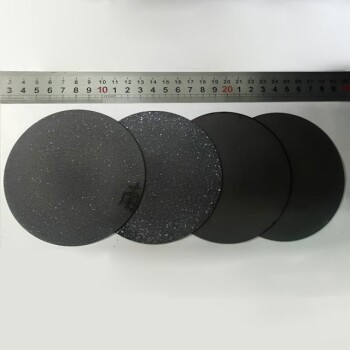
Laboratory CVD Boron Doped Diamond Materials
CVD boron-doped diamond: A versatile material enabling tailored electrical conductivity, optical transparency, and exceptional thermal properties for applications in electronics, optics, sensing, and quantum technologies.
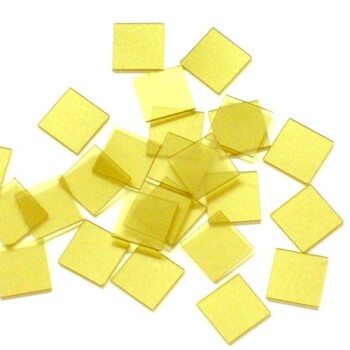
CVD Diamond for Thermal Management Applications
CVD diamond for thermal management: High-quality diamond with thermal conductivity up to 2000 W/mK, ideal for heat spreaders, laser diodes, and GaN on Diamond (GOD) applications.
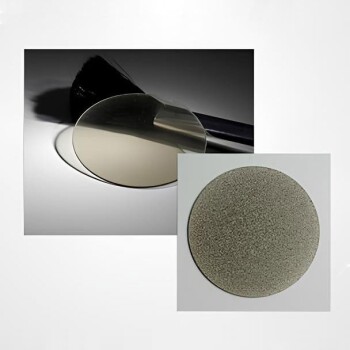
CVD Diamond Optical Windows for Lab Applications
Diamond optical windows: exceptional broad band infrared transparency, excellent thermal conductivity & low scattering in infrared, for high-power IR laser & microwave windows applications.
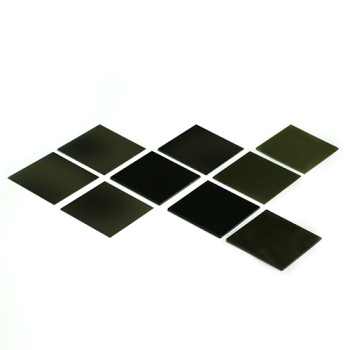
CVD Diamond Cutting Tool Blanks for Precision Machining
CVD Diamond Cutting Tools: Superior Wear Resistance, Low Friction, High Thermal Conductivity for Non-Ferrous Materials, Ceramics, Composites Machining
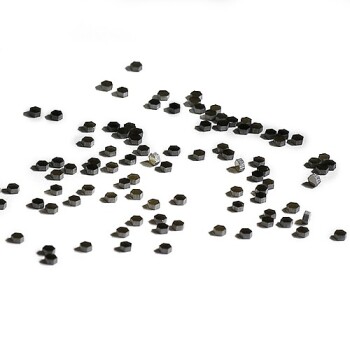
CVD Diamond Wire Drawing Die Blanks for Precision Applications
CVD diamond wire drawing die blanks: superior hardness, abrasion resistance, and applicability in wire drawing various materials. Ideal for abrasive wear machining applications like graphite processing.

Microwave Plasma Chemical Vapor Deposition MPCVD Machine System Reactor for Lab and Diamond Growth
Get high-quality diamond films with our Bell-jar Resonator MPCVD machine designed for lab and diamond growth. Discover how Microwave Plasma Chemical Vapor Deposition works for growing diamonds using carbon gas and plasma.

915MHz MPCVD Diamond Machine Microwave Plasma Chemical Vapor Deposition System Reactor
915MHz MPCVD Diamond Machine and its multi-crystal effective growth, the maximum area can reach 8 inches, the maximum effective growth area of single crystal can reach 5 inches. This equipment is mainly used for the production of large-size polycrystalline diamond films, the growth of long single crystal diamonds, the low-temperature growth of high-quality graphene, and other materials that require energy provided by microwave plasma for growth.

Cylindrical Resonator MPCVD Machine System Reactor for Microwave Plasma Chemical Vapor Deposition and Lab Diamond Growth
Learn about Cylindrical Resonator MPCVD Machine, the microwave plasma chemical vapor deposition method used for growing diamond gemstones and films in the jewelry and semi-conductor industries. Discover its cost-effective advantages over traditional HPHT methods.

Chemical Vapor Deposition CVD Equipment System Chamber Slide PECVD Tube Furnace with Liquid Gasifier PECVD Machine
KT-PE12 Slide PECVD System: Wide power range, programmable temp control, fast heating/cooling with sliding system, MFC mass flow control & vacuum pump.

Customer Made Versatile CVD Tube Furnace Chemical Vapor Deposition Chamber System Equipment
Get your exclusive CVD furnace with KT-CTF16 Customer Made Versatile Furnace. Customizable sliding, rotating, and tilting functions for precise reactions. Order now!

RF PECVD System Radio Frequency Plasma-Enhanced Chemical Vapor Deposition RF PECVD
RF-PECVD is an acronym for "Radio Frequency Plasma-Enhanced Chemical Vapor Deposition." It deposits DLC (Diamond-like carbon film) on germanium and silicon substrates. It is utilized in the 3-12um infrared wavelength range.
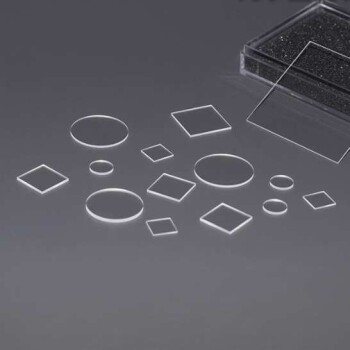
Infrared Transmission Coating Sapphire Sheet Substrate Window
Crafted from sapphire, the substrate boasts unparalleled chemical, optical, and physical properties. Its remarkable resistance to thermal shocks, high temperatures, sand erosion, and water sets it apart.
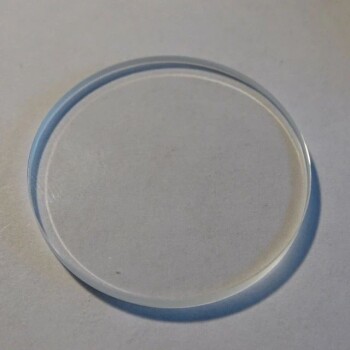
400-700nm Wavelength Anti Reflective AR Coating Glass
AR coatings are applied on optical surfaces to reduce reflection. They can be a single layer or multiple layers that are designed to minimize reflected light through destructive interference.

Electrolytic Electrochemical Cell for Coating Evaluation
Looking for corrosion-resistant coating evaluation electrolytic cells for electrochemical experiments? Our cells boast complete specifications, good sealing, high-quality materials, safety, and durability. Plus, they're easily customizable to meet your needs.

Vacuum Dental Porcelain Sintering Furnace
Get precise and reliable results with KinTek's Vacuum Porcelain Furnace. Suitable for all porcelain powders, it features hyperbolic ceramic furnace function, voice prompt, and automatic temperature calibration.
Related Articles

How CVD Coating Can Help You Achieve High Purity and Density
The CVD process offers several advantages over other coating techniques, such as high purity, uniformity, and the ability to deposit coatings with high-density.
Market Prospects and Applications of CVD Diamonds
Explores the unique properties of CVD diamonds, their preparation methods, and diverse applications in various fields.
CVD Diamond: Superior Material for Optical Windows
Explores the exceptional properties and applications of CVD diamond in optical windows.
How to Check if Your Diamond is CVD-Produced
When it comes to buying a diamond, it's important to understand the difference between a naturally occurring diamond and one produced using CVD technology.
Advantages of Chemical Vapor Deposition
Explores the benefits of chemical vapor deposition, including film formation speed, adhesion strength, and low radiation damage.
An Introduction to Chemical Vapor Deposition (CVD)
Chemical vapor deposition, or CVD, is a coating process that involves the use of gaseous reactants to produce thin films and coatings of high quality.
Advantages and Disadvantages of Chemical Vapor Deposition (CVD)
Chemical vapor deposition (CVD) is a versatile thin-film deposition technique widely used in various industries. Explore its advantages, disadvantages, and potential new applications.
Technical Overview of Silicon-Carbon Anode Materials Prepared by CVD Method
This article discusses the key technical aspects of silicon-carbon anode materials prepared via CVD, focusing on their synthesis, performance improvements, and industrial application potential.
CVD Machines for Thin Film Deposition
Chemical Vapor Deposition (CVD) is a widely used technique for deposition of thin films on various substrates.
How CVD is Used in the Semiconductor Industry
CVD has revolutionized the semiconductor industry, enabling the production of high-performance electronic devices with enhanced functionality and reliability.
Preparation and Transfer Technology of Graphene by Chemical Vapor Deposition
This article reviews the preparation methods of graphene, with a focus on CVD technology, its transfer techniques, and future prospects.
Chemical Vapor Deposition (CVD) of Graphene Challenges and Solutions
Chemical Vapor Deposition (CVD) is a widely adopted method for the production of high-quality graphene.