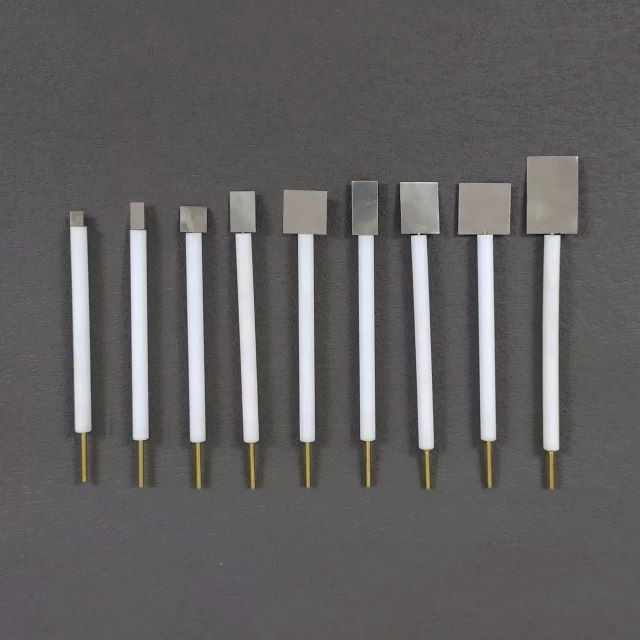
Electrochemical Consumables
Platinum Sheet Electrode for Laboratory and Industrial Applications
Item Number : ELEPS
Price varies based on specs and customizations
$21.90 / set
- Specification
- 5*5*0.1 mm, can be customized
- pplicable temperature range
- 0 ~ 60℃
- Rod Material
- PTFE

Shipping:
Contact us to get shipping details Enjoy On-time Dispatch Guarantee.
Why Choose Us
Easy ordering process, quality products, and dedicated support for your business success.
Introduction
A Platinum Sheet Electrode is a type of electrode that is made of a thin sheet of platinum metal. It is used in a variety of electrochemical applications, such as electroplating, electrolysis, and fuel cells. Platinum Sheet Electrodes are known for their high electrical conductivity, corrosion resistance, and catalytic activity. They are also relatively easy to fabricate and can be used in a variety of shapes and sizes.
Our platinum sheet electrodeare crafted using complete models, high-quality materials, and are both safe and durable. Additionally, they can be customized to meet your specific needs.
Technical specifications

| Specification | 5*5*0.1 mm, can be customized |
| Applicable temperature range | 0 ~ 60℃ |
| Rod Material | PTFE |
| Guide sheet material | high purity platinum> 99.99% |
Detail & Parts
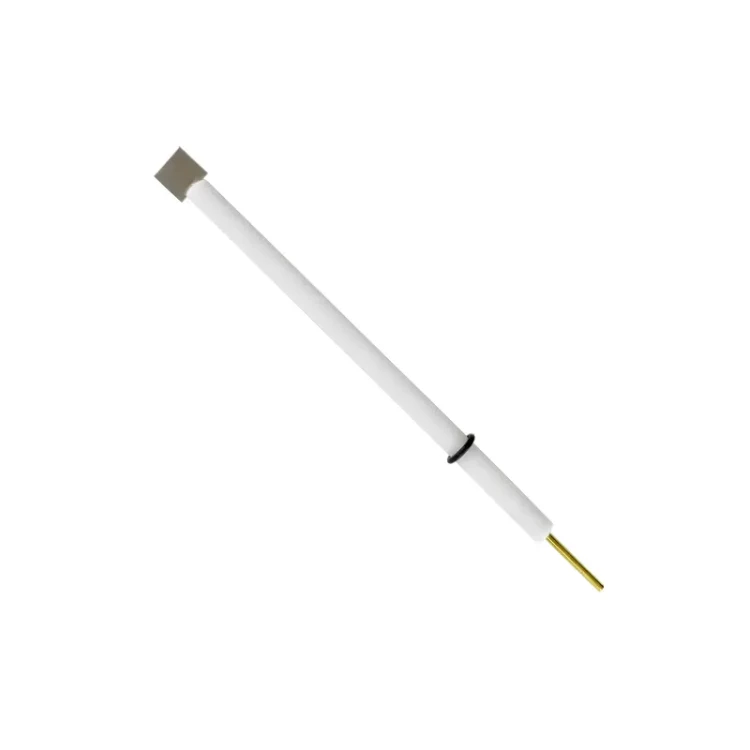
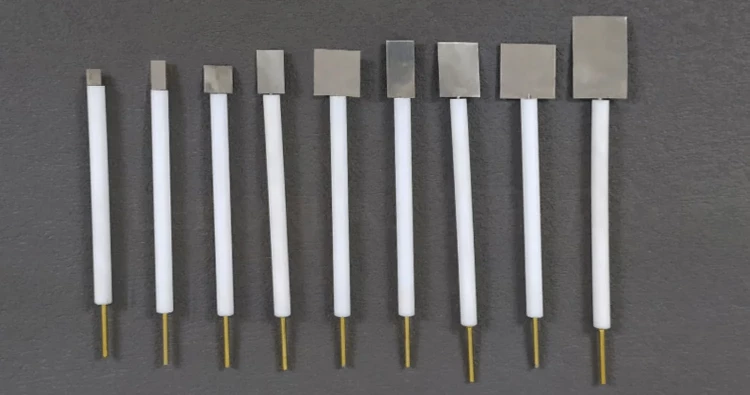
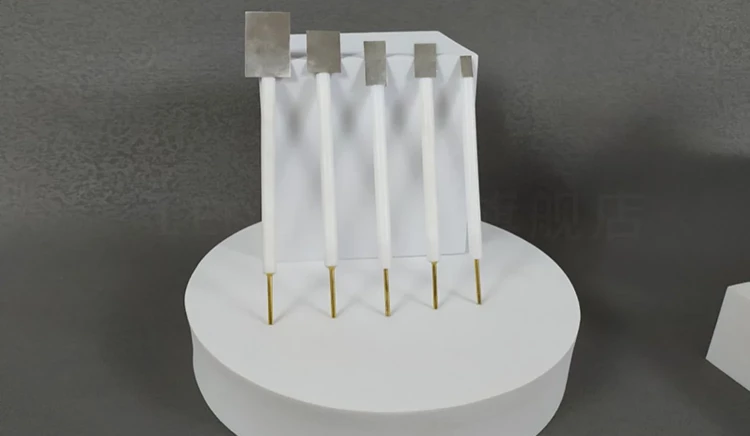


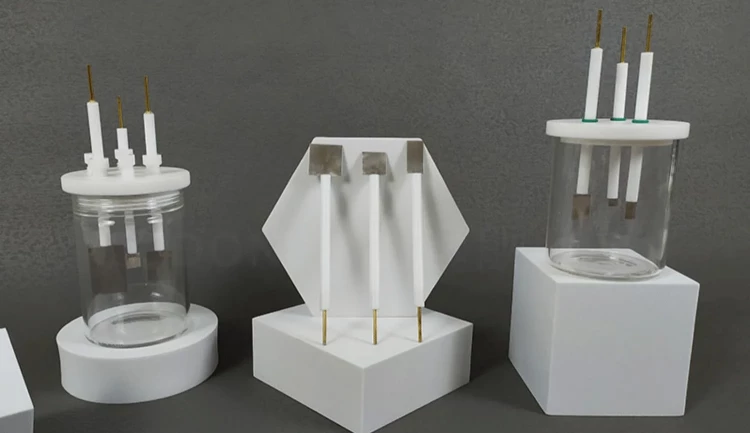
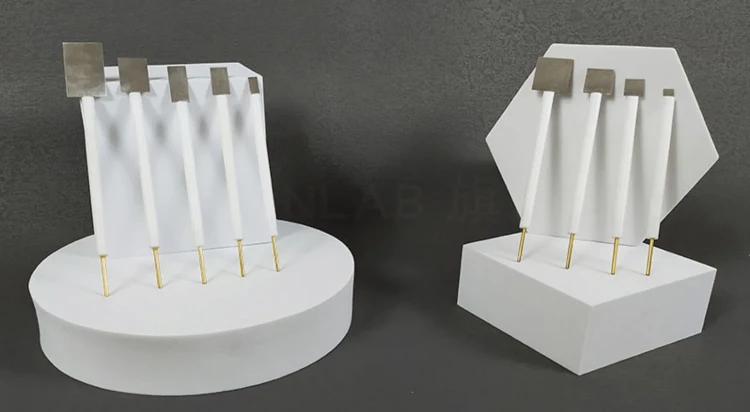
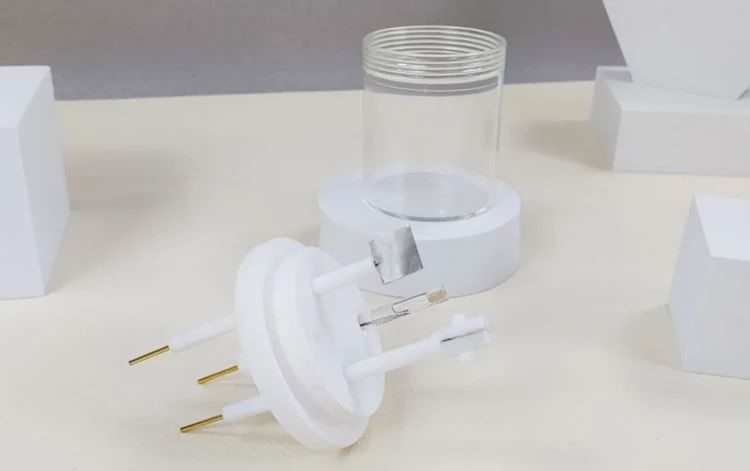
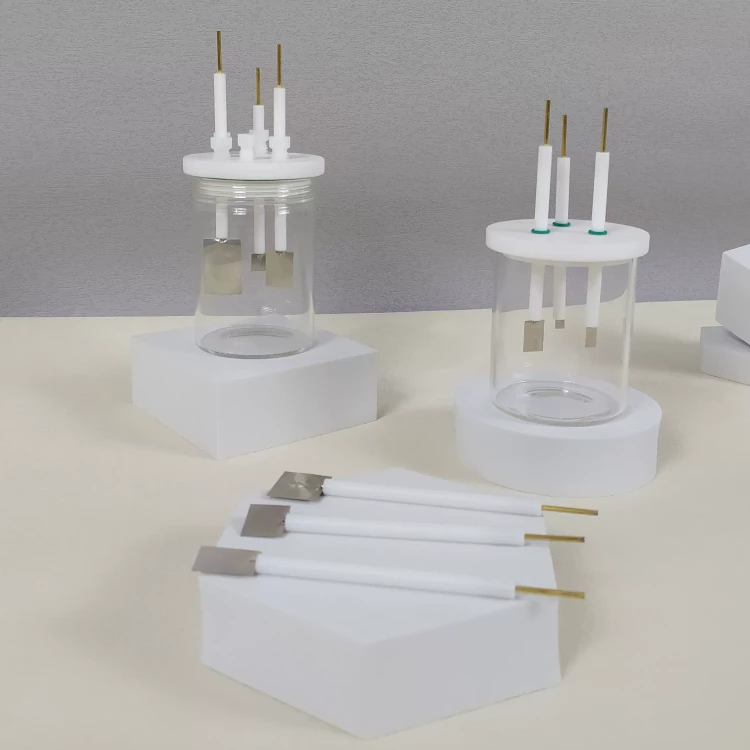
Principle
The Platinum Sheet Electrode is an inert electrode that does not react much with hydrogen. When an initial discharge allows electrons to fill into the highest occupied energy level of Pt, some of the H+ ions form H3O+ ions with the water molecules in the solution. These hydrogen and hydronium ions then get close enough to the Pt electrode (on the platinized surface of this electrode) to where a hydrogen is attracted to the electrons in the metal and forms a hydrogen atom. Then these combine with other hydrogen atoms to create H2(g). This hydrogen gas is released from the system. In order to keep the reaction going, the electrode requires a constant flow of H2(g).
Applications
Platinum sheet electrodes are widely used in a variety of applications, including:
- Fuel cells: Platinum is a key component in fuel cells, where it catalyzes the electrochemical reactions that generate electricity.
- Solar cells: Platinum is used as a counter electrode in dye-sensitized solar cells, where it helps to improve the cell's efficiency.
- Electrolysis: Platinum electrodes are used in electrolysis to produce hydrogen and oxygen from water.
- Electroplating: Platinum electrodes are used in electroplating to deposit a thin layer of platinum onto other metals.
- Chemical sensors: Platinum electrodes are used in chemical sensors to detect the presence of specific gases or ions.
- Medical devices: Platinum electrodes are used in medical devices such as pacemakers and defibrillators.
Designed for You
KinTek provide deep custom made service and equipment to worldwide customers, our specialized teamwork and rich experienced engineers are capable to undertake the custom tailoring hardware and software equipment requirements, and help our customer to build up the exclusive and personalized equipment and solution!
Would you please drop your ideas to us, our engineers are ready for you now!
Trusted by Industry Leaders

FAQ
What Is An Electrode In Electrochemistry?
What Is The Function Of Auxiliary Electrode?
What Are The 3 Electrodes In Electrochemistry?
What Is The Difference Between Auxiliary And Reference Electrode?
What Are The Different Types Of Electrochemical Electrodes?
What Materials Are Commonly Used For Auxiliary Electrodes?
What Materials Are Commonly Used For Electrochemical Electrodes?
How Do Auxiliary Electrodes Affect The Performance Of An Electrochemical Cell?
What Factors Should Be Considered When Selecting An Electrochemical Electrode?
Why Are Auxiliary Electrodes Necessary In Electrochemical Systems?
How Can Electrochemical Electrodes Be Used In Various Applications?
Are There Any Limitations Or Considerations When Using Auxiliary Electrodes?
REQUEST A QUOTE
Our professional team will reply to you within one business day. Please feel free to contact us!
Related Products
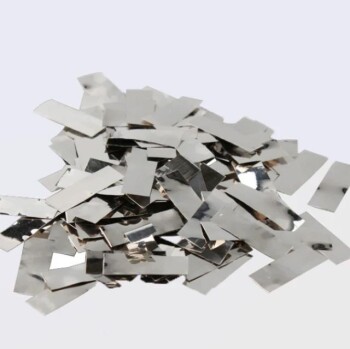
Platinum Sheet Electrode for Battery Lab Applications
Platinum sheet is composed of platinum, which is also one of the refractory metals. It is soft and can be forged, rolled and drawn into rod, wire, plate, tube and wire.

High Purity Gold Platinum Copper Iron Metal Sheets
Elevate your experiments with our high-purity sheet metal. Gold, platinum, copper, iron, and more. Perfect for electrochemistry and other fields.
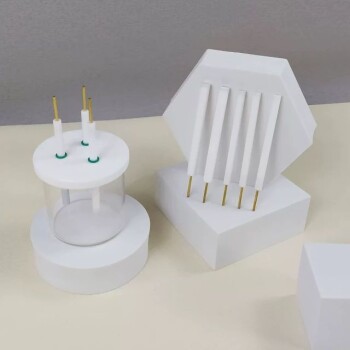
Rotating Platinum Disk Electrode for Electrochemical Applications
Upgrade your electrochemical experiments with our Platinum Disc Electrode. High-quality and reliable for accurate results.
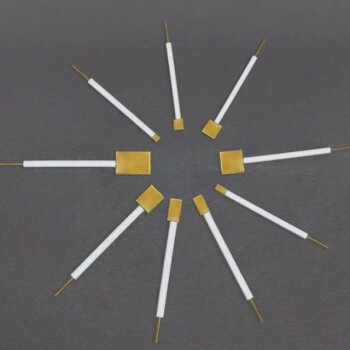
Gold Electrochemical Sheet Electrode Gold Electrode
Discover high-quality gold sheet electrodes for safe and durable electrochemical experiments. Choose from complete models or customize to meet your specific needs.
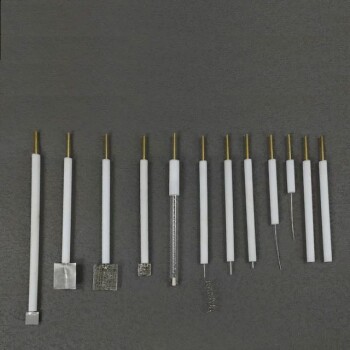
Platinum Auxiliary Electrode for Laboratory Use
Optimize your electrochemical experiments with our Platinum Auxiliary Electrode. Our high-quality, customizable models are safe and durable. Upgrade today!
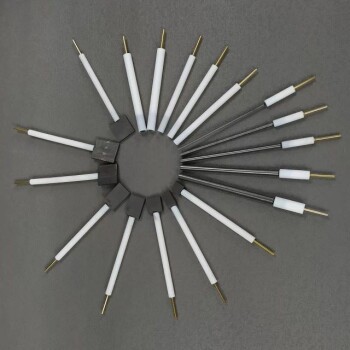
Graphite Disc Rod and Sheet Electrode Electrochemical Graphite Electrode
High-quality graphite electrodes for electrochemical experiments. Complete models with acid and alkali resistance, safety, durability, and customization options.
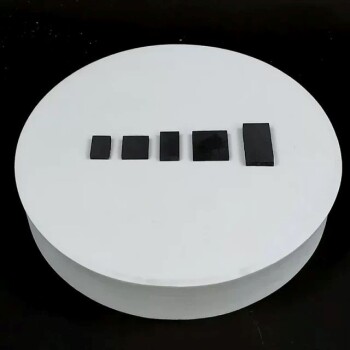
Glassy Carbon Sheet RVC for Electrochemical Experiments
Discover our Glassy Carbon Sheet - RVC. Perfect for your experiments, this high-quality material will elevate your research to the next level.
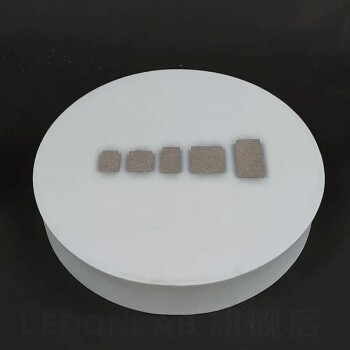
Copper Nickel Foam Metal Sheet
Discover the benefits of foam metal sheets for electrochemical tests. Our foam copper/nickel sheets are ideal for current collectors and capacitors.
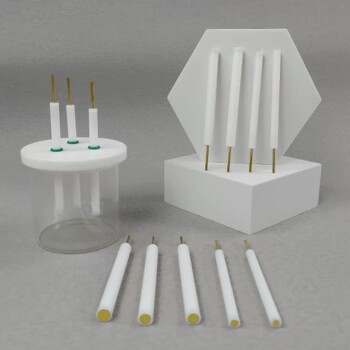
Gold Disc Electrode
Looking for a high-quality gold disc electrode for your electrochemical experiments? Look no further than our top-of-the-line product.
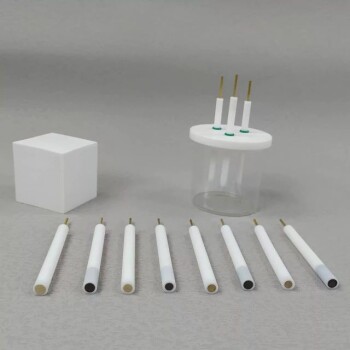
Metal Disc Electrode Electrochemical Electrode
Elevate your experiments with our Metal Disk Electrode. High-quality, acid and alkali resistant, and customizable to fit your specific needs. Discover our complete models today.
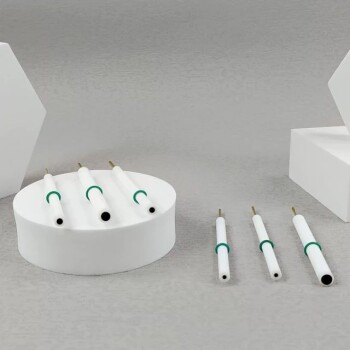
Glassy Carbon Electrochemical Electrode
Upgrade your experiments with our Glassy Carbon Electrode. Safe, durable, and customizable to fit your specific needs. Discover our complete models today.

Reference Electrode Calomel Silver Chloride Mercury Sulfate for Laboratory Use
Find high-quality reference electrodes for electrochemical experiments with complete specifications. Our models offer resistance to acid and alkali, durability, and safety, with customization options available to meet your specific needs.
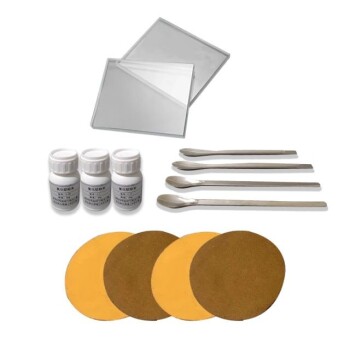
Electrode Polishing Material for Electrochemical Experiments
Looking for a way to polish your electrodes for electrochemical experiments? Our polishing materials are here to help! Follow our easy instructions for best results.

Laboratory CVD Boron Doped Diamond Materials
CVD boron-doped diamond: A versatile material enabling tailored electrical conductivity, optical transparency, and exceptional thermal properties for applications in electronics, optics, sensing, and quantum technologies.
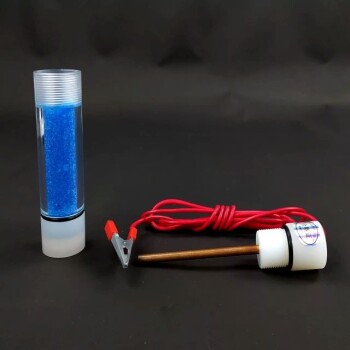
Copper Sulfate Reference Electrode for Laboratory Use
Looking for a Copper Sulfate Reference Electrode? Our complete models are made of high-quality materials, ensuring durability and safety. Customization options available.

Conductive Carbon Cloth Carbon Paper Carbon Felt for Electrodes and Batteries
Conductive carbon cloth, paper, and felt for electrochemical experiments. High-quality materials for reliable and accurate results. Order now for customization options.
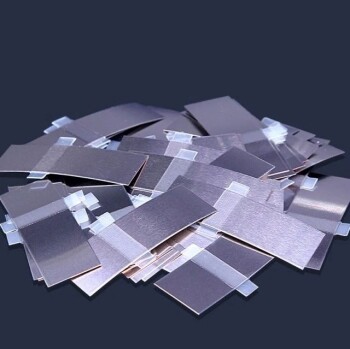
Nickel Aluminum Tabs for Soft Pack Lithium Batteries
Nickel tabs are used to manufacture cylindrical and pouch batteries, and positive aluminum and negative nickel are used to produce lithium-ion and nickel batteries.
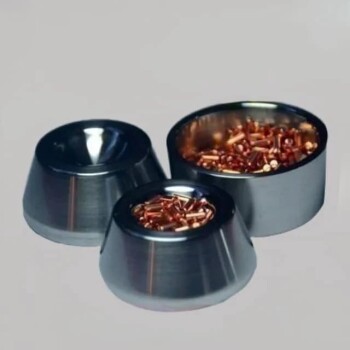
Electron Beam Evaporation Coating Gold Plating Tungsten Molybdenum Crucible for Evaporation
These crucibles act as containers for the gold material evaporated by the electron evaporation beam while precisely directing the electron beam for precise deposition.
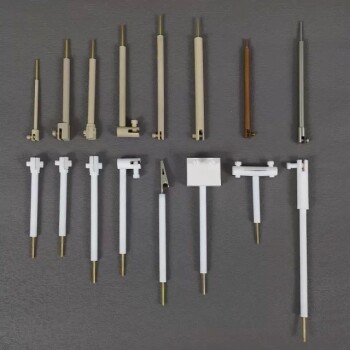
Electrode Fixture for Electrochemical Experiments
Upgrade your experiments with our customizable Electrode Fixtures. High-quality materials, acid and alkali resistant, and safe and durable. Discover our complete models today.
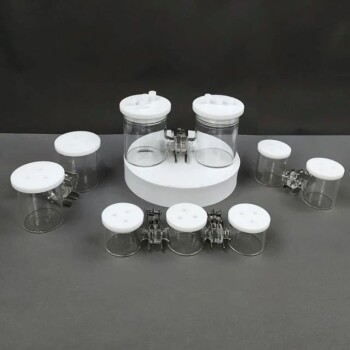
H Type Electrolytic Cell Triple Electrochemical Cell
Experience versatile electrochemical performance with our H-type Electrolytic Cell. Choose from membrane or non-membrane sealing, 2-3 hybrid configurations. Learn more now.
Related Articles

The Silent Interface: Mastery Over Electrode Decay
Electrode failure is rarely sudden; it is the compound interest of neglect. Learn the disciplined maintenance protocols that preserve accuracy and longevity.
The Invisible Architecture of Accuracy: Mastering Electrode Installation
Master the lifecycle of electrode installation—from inspection to alignment and maintenance—to ensure safety and reproducibility in electrochemical experiments.
Understanding Electrodes and Electrochemical Cells
An electrode is a point where current enters and leaves the electrolyte. It is a conductor used to make a junction with a nonmetallic part of a circuit. Electrodes can be made of materials such as gold, platinum, carbon, graphite, or metal. They serve as the surface for oxidation-reduction reactions in electrochemical cells. There are different types of electrodes, including anode and cathode.
Electrochemical Electrodes in Chemical Analysis
Electrochemical electrodes are essential tools used in many chemical analysis techniques and experiments. These electrodes are devices that allow us to measure the electrical potential difference in a chemical reaction.
Understanding Electrodeposition with Electrochemical Electrodes
Electrodeposition is a process of depositing a metal or a non-metallic material onto a surface by applying an electric current.
Innovations in Electrochemical Electrodes Technology
Recent advancements in nanotechnology and materials science have led to significant improvements in electrochemical devices, making them more efficient, durable, and cost-effective.
Electrolytes and Electrochemical Electrodes
Electrolytes and electrodes play an essential role in electrochemistry. Electrolytes are substances that conduct electricity when dissolved in water or melted.
The Future of Electrochemical Electrodes
The latest trends and developments in electrode materials and their implications for the future of electrochemistry.
How to Choose the Right Electrochemical Electrode
The choice of electrode material can have a significant impact on the performance of the electrochemical system.
Understanding Electrodes in Electrochemical Systems: Working, Counter, and Reference Electrodes
An overview of the roles and characteristics of working, counter, and reference electrodes in electrochemical systems.
Identifying and Addressing Issues with a Bad Reference Electrode in Measurement Systems
This article discusses the signs and solutions for a bad reference electrode in measurement systems, focusing on IR voltage drop, high-frequency artifacts, and methods to identify and save a bad reference electrode.
Pseudo-Reference Electrodes When and How to Use Them
Reference electrodes are an essential component in electrochemical measurements. They are used to establish a stable and reproducible potential for the working electrode and provide a reference point for the measurement. The reference electrode should have a stable and well-defined potential, which is independent of the solution's composition and the working electrode's potential.