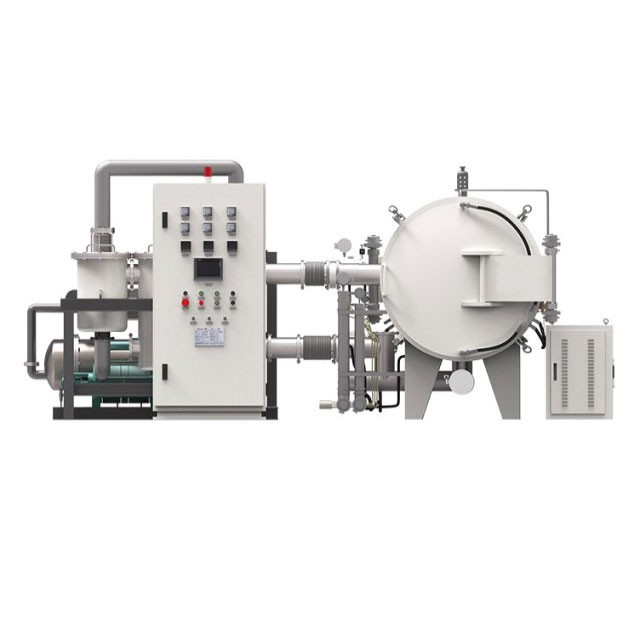
Graphitization furnace
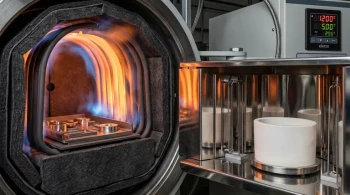
Horizontal High Temperature Graphite Vacuum Graphitization Furnace
Item Number : GF-01
Price varies based on specs and customizations
- Volume(L)
- 192 / 350 / 484
- Rated temperature(℃)
- 2800
- Limit temperature(℃)
- 3100
- Effective heating area (mm)
- 400*400*1200 / 500*500*1400 / 550*550*1600

Shipping:
Contact us to get shipping details Enjoy On-time Dispatch Guarantee.
Why Choose Us
Easy ordering process, quality products, and dedicated support for your business success.
Introduction
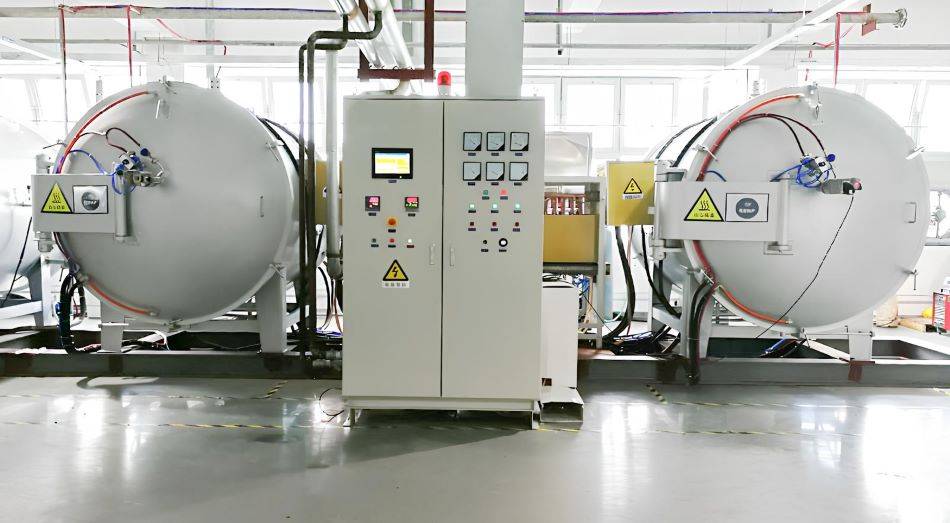
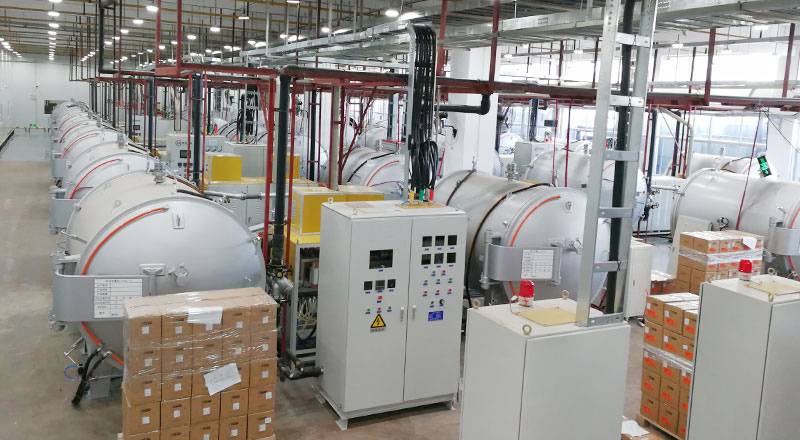
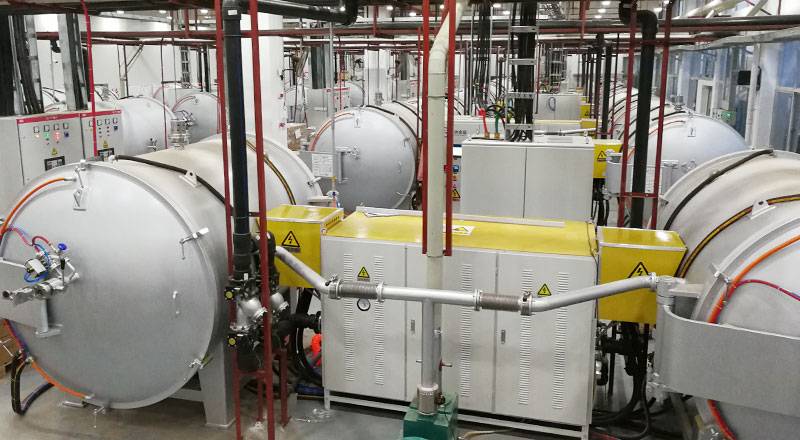
A graphitization furnace is a key piece of equipment used in the production of carbon products and materials. It is employed for graphitization experiments and the production of various carbon materials at temperatures up to 3100°C. The furnace excels in graphitization of carbon materials and stereotyped graphitization of carbon fiber filaments. It can be configured with multiple electric furnaces to accommodate different sintering process times, allowing for continuous operation through alternating power supply and cooling.
Applications
The graphitization furnace is widely used in various industries for high-temperature treatment and graphitization processes. Here are some of its main application areas:
-
Metallurgy: In the metallurgy industry, graphitization furnaces are employed for the production of graphite electrodes, which are essential components in electric arc furnaces used for steelmaking. The high temperatures achieved in the furnace enable the conversion of carbonaceous materials into high-purity graphite, ensuring the desired electrical conductivity and thermal stability required for electrode applications.
-
Electronics: In the electronics industry, graphitization furnaces are crucial for the production of graphite crucibles, which are widely used in the manufacturing of semiconductors and other electronic components. The high-temperature environment within the furnace allows for the formation of pure and dense graphite crucibles with excellent thermal properties, chemical resistance, and high-temperature stability, making them ideal for handling molten materials and performing various high-temperature processes.
-
Aerospace: In the aerospace industry, graphitization furnaces are utilized for the production of graphite composites, which are lightweight and possess exceptional strength and thermal resistance. These composites find applications in the construction of aircraft and spacecraft components, such as rocket nozzles, heat shields, and leading edges, where they can withstand extreme temperatures and harsh environments encountered during high-speed flight.
-
Other Industries: In addition to the aforementioned industries, graphitization furnaces are also employed in a variety of other sectors, including:
- Chemical Industry: Production of carbon black, activated carbon, and other carbon-based chemicals.
- Energy Industry: Manufacturing of carbon fibers for use in batteries, fuel cells, and other energy storage devices.
- Nuclear Industry: Treatment of nuclear waste and production of nuclear-grade graphite materials.
- Research and Development: Study of high-temperature materials and processes in various fields.
Features
The horizontal graphitization furnace offers numerous advantages that cater to various graphitization needs and provide exceptional performance:
-
Enhanced Temperature Uniformity: Utilizes medium-frequency induction heating for rapid temperature rise and high efficiency. The unique furnace design ensures remarkable temperature uniformity throughout the furnace chamber.
-
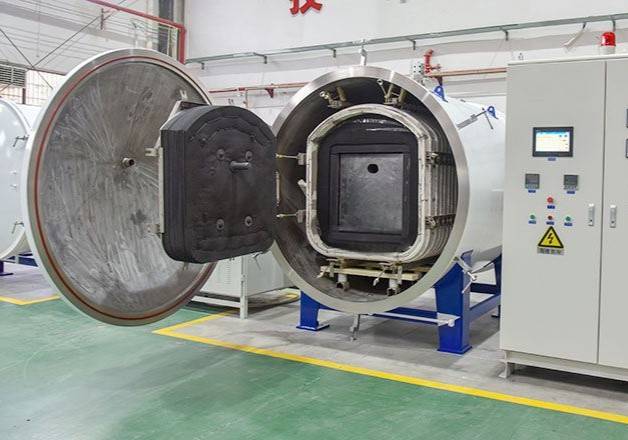
Innovative Induction Coil Design: The induction coil's arched structure effectively addresses insulation and load-bearing concerns commonly encountered in horizontal induction furnaces.
-
Exceptional Stability and Energy Efficiency: Double-layer alumina brick insulation material prevents short circuits between carbon felt and coils, ensuring excellent heat insulation and fire resistance. This design minimizes heat loss and contributes to the equipment's stability.
-
Continuous Operation Capability: The system allows for the configuration of multiple electric furnaces with a single power supply. This enables the sequential heating and cooling of individual furnaces, facilitating continuous operation and optimizing production efficiency.
-
Advanced Monitoring and Control System: The furnace incorporates a digital flow monitoring system with individual channel monitoring and protection in the power cabinet. It employs high-performance medium-frequency contactors and a comprehensive PLC water, electricity, gas automatic control, and protection system for enhanced safety and reliability.
Principle
The Graphitization furnace employs the principle of medium frequency induction heating to rapidly raise the temperature, ensuring high efficiency. Its unique furnace design considerably enhances the temperature uniformity within the furnace body.
Advantages
- Rapid heating and high efficiency: Utilizes medium frequency induction heating for quick temperature rise and enhanced efficiency.
- Uniform furnace temperature: Unique furnace design ensures excellent temperature uniformity throughout the furnace chamber.
- Durable and reliable: Double-layer alumina brick insulation prevents short circuits, offering good heat insulation and fire resistance, resulting in minimal heat loss and stable equipment performance.
- Flexible operation: Supports multiple electric furnaces with a single power supply, allowing continuous operation by powering on and heating or powering off and cooling individual furnaces as needed.
- Comprehensive monitoring and control: Features a digital flow monitoring system with water flow monitoring and protection, high-performance medium frequency contactor, and a PLC-based automatic control and protection system for water, electricity, and gas.
- Versatile applications: Suitable for various high-temperature treatment and graphitization processes, including graphitization experiments, production of carbon materials at temperatures up to 3100°C, and stereotyped graphitization of carbon fiber filaments.
Technical specifications
| Product model specifications | GF-01-40×40×120 | GF-01-50×50×140 | GF-01-55×55×160 |
|---|---|---|---|
| Volume(L) | 192 | 350 | 484 |
| Rated temperature(℃) | 2800 | 2800 | 2800 |
| Limit temperature(℃) | 3100 | 3100 | 3100 |
| Effective heating area (mm) | 400×400×1200 | 500×500×1400 | 550×550×1600 |
| Power(KW) | 200 | 350 | 450 |
| Frequency(HZ) | 1500 | 1000 | 1000 |
| Temperature control method | Adopt Japanese Shima Electric thermostat | ||
| Heating method | Induction heating | ||
| Vacuum system | Rotary vane vacuum pump (for high vacuum requirements, Roots vacuum pump and oil diffusion pump are required) | ||
| Sintering atmosphere | N2, Ar and other gases | ||
| Rated power supply voltage (V) | 380 | ||
| Rated heating voltage (V) | 750 | ||
| Vacuum limit (Pa) | 100 (vacuum cold state) | ||
Trusted by Industry Leaders
FAQ
What Is A Graphitization Furnace?
What Is A Graphite Vacuum Furnace Used For?
What Is A Vacuum Furnace Used For?
What Is A Graphitization Furnace Used For?
What Are The Main Applications Of Graphitization Furnaces?
What Are The Main Types Of Graphite Vacuum Furnaces?
What Is The Process Of A Vacuum Furnace?
What Are The Two Different Types Of Graphitization Furnaces?
What Are The Different Types Of Graphitization Furnaces?
How Does A Graphite Vacuum Furnace Work?
What Gas Is Used In A Vacuum Furnace?
How Does A Graphitization Furnace Work?
What Are The Advantages Of Using A Graphite Vacuum Furnace?
What Is The Heating Element Used In A Vacuum Furnace?
What Are The Advantages Of Using A Graphitization Furnace?
What Temperature Range Can A Graphite Vacuum Furnace Achieve?
What Industries Benefit From Graphite Vacuum Furnaces?
REQUEST A QUOTE
Our professional team will reply to you within one business day. Please feel free to contact us!
Related Products

Ultra-High Temperature Graphite Vacuum Graphitization Furnace
The ultra-high temperature graphitization furnace utilizes medium frequency induction heating in a vacuum or inert gas environment. The induction coil generates an alternating magnetic field, inducing eddy currents in the graphite crucible, which heats up and radiates heat to the workpiece, bringing it to the desired temperature. This furnace is primarily used for graphitization and sintering of carbon materials, carbon fiber materials, and other composite materials.

2200 ℃ Graphite Vacuum Heat Treat Furnace
Discover the power of the KT-VG Graphite Vacuum Furnace - with a maximum working temperature of 2200℃, it's perfect for vacuum sintering of various materials. Learn more now.

Vertical High Temperature Graphite Vacuum Graphitization Furnace
Vertical high temperature graphitization furnace for carbonization and graphitization of carbon materials up to 3100℃.Suitable for shaped graphitization of carbon fiber filaments and other materials sintered in a carbon environment.Applications in metallurgy, electronics, and aerospace for producing high-quality graphite products like electrodes and crucibles.

Large Vertical Graphite Vacuum Graphitization Furnace
A large vertical high-temperature graphitization furnace is a type of industrial furnace used for the graphitization of carbon materials, such as carbon fiber and carbon black. It is a high-temperature furnace that can reach temperatures of up to 3100°C.

Graphite Vacuum Furnace High Thermal Conductivity Film Graphitization Furnace
The high thermal conductivity film graphitization furnace has uniform temperature, low energy consumption and can operate continuously.

Graphite Vacuum Continuous Graphitization Furnace
High-temperature graphitization furnace is a professional equipment for graphitization treatment of carbon materials. It is a key equipment for the production of high-quality graphite products. It has high temperature, high efficiency and uniform heating. It is suitable for various high-temperature treatments and graphitization treatments. It is widely used in metallurgy, electronics, aerospace, etc. industry.

Graphite Vacuum Furnace Bottom Discharge Graphitization Furnace for Carbon Materials
Bottom-out graphitization furnace for carbon materials, ultra-high temperature furnace up to 3100°C, suitable for graphitization and sintering of carbon rods and carbon blocks. Vertical design, bottom discharging, convenient feeding and discharging, high temperature uniformity, low energy consumption, good stability, hydraulic lifting system, convenient loading and unloading.

Graphite Vacuum Furnace IGBT Experimental Graphitization Furnace
IGBT experimental graphitization furnace, a tailored solution for universities and research institutions, with high heating efficiency, user-friendliness, and precise temperature control.

Vacuum Heat Treat and Pressure Sintering Furnace for High Temperature Applications
Vacuum pressure sintering furnaces are designed for high temperature hot pressing applications in metal and ceramic sintering. Its advanced features ensure precise temperature control, reliable pressure maintenance, and a robust design for seamless operation.
Graphite Vacuum Furnace Negative Material Graphitization Furnace
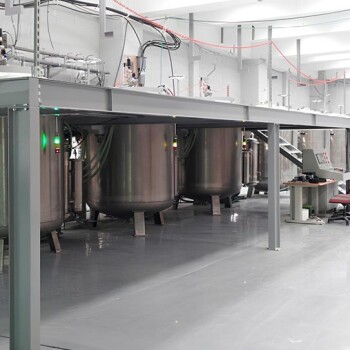
Graphitization furnace for battery production has uniform temperature and low energy consumption. Graphitization furnace for negative electrode materials: an efficient graphitization solution for battery production and advanced functions to enhance battery performance.

Carbon Graphite Boat -Laboratory Tube Furnace with Cover
Covered Carbon Graphite Boat Laboratory Tube Furnaces are specialized vessels or vessels made of graphite material designed to withstand extreme high temperatures and chemically aggressive environments.

High Purity Pure Graphite Crucible for Evaporation
Vessels for high temperature applications, where materials are kept at extremely high temperatures to evaporate, allowing thin films to be deposited on substrates.

2200 ℃ Tungsten Vacuum Heat Treat and Sintering Furnace
Experience the ultimate refractory metal furnace with our Tungsten vacuum furnace. Capable of reaching 2200℃, perfect for sintering advanced ceramics and refractory metals. Order now for high-quality results.

1700℃ Controlled Atmosphere Furnace Nitrogen Inert Atmosphere Furnace
KT-17A Controlled atmosphere furnace: 1700℃ heating, vacuum sealing technology, PID temperature control, and versatile TFT smart touch screen controller for laboratory and industrial use.

Molybdenum Vacuum Heat Treat Furnace
Discover the benefits of a high-configuration molybdenum vacuum furnace with heat shield insulation. Ideal for high-purity, vacuum environments like sapphire crystal growth and heat treatment.

1400℃ Controlled Atmosphere Furnace with Nitrogen and Inert Atmosphere
Achieve precise heat treatment with KT-14A controlled atmosphere furnace. Vacuum sealed with a smart controller, it's ideal for lab and industrial use up to 1400℃.

Laboratory High Pressure Vacuum Tube Furnace
KT-PTF High Pressure Tube Furnace: Compact split tube furnace with strong positive pressure resistance. Working temp up to 1100°C and pressure up to 15Mpa. Also works under controller atmosphere or high vacuum.

High Temperature Muffle Oven Furnace for Laboratory Debinding and Pre Sintering
KT-MD High temperature debinding and pre-sintering furnace for ceramic materials with various molding processes. Ideal for electronic components such as MLCC and NFC.
High Purity Pure Graphite Crucible for Electron Beam Evaporation
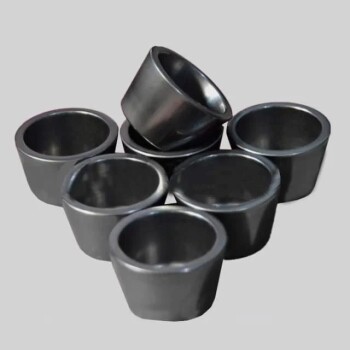
A technology mainly used in the field of power electronics. It is a graphite film made of carbon source material by material deposition using electron beam technology.

Vacuum Arc Induction Melting Furnace
Discover the power of Vacuum Arc Furnace for melting active & refractory metals. High-speed, remarkable degassing effect, and free of contamination. Learn more now!
Related Articles

Maximizing Efficiency and Precision with Vacuum Graphite Furnaces
Discover how vacuum graphite furnaces revolutionize high-temperature material treatments with unmatched precision and efficiency. Explore customized solutions for various industries, advanced automation, and sustainable energy practices.
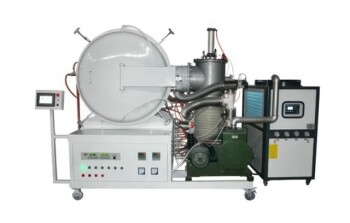
Unveiling Vacuum Graphite Furnaces: Performance, Applications, and Expert Insights
Delve into the world of vacuum graphite furnaces, exploring their exceptional performance, diverse applications, and crucial considerations. Our expert insights empower you to make informed decisions for your laboratory's high-temperature material treatment needs.

Optimizing Performance with Graphite Vacuum Furnaces: A Comprehensive Guide
Unlock the potential of graphite vacuum furnaces for high-temperature material treatment. Learn about their efficiency, customization options, automation, and key considerations for graphite rod usage.
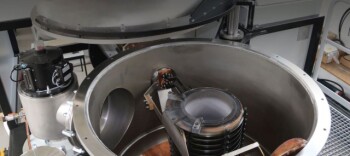
High-Temperature Vacuum Furnace: Classification, Applications, and Components
An overview of high-temperature vacuum furnaces, their types, applications, and key components.
The Paradox of the Empty Chamber: When a Perfect Vacuum is the Enemy
Discover why deep vacuums can ruin alloys through sublimation and how partial pressure systems restore thermal balance and chemical integrity.
Classification, Applications, and Components of High-Temperature Vacuum Furnaces
An overview of high-temperature vacuum furnaces, their types, applications, and key components.

The Ultimate Guide to Choosing the Right Lab Furnace for Your Needs
How to choose a high temperature furnace suitable for your laboratory
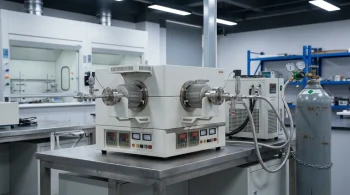
The Thermodynamics of Silence: How Inert Gas Breaks the Vacuum Barrier
In high-temperature vacuum furnaces, cooling is an aggressive, engineered process. Learn how inert gas acts as a thermal conveyor belt to control metallurgy.
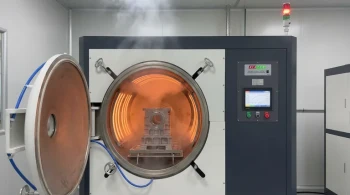
More Than Nothing: The Art of Partial Pressure in High-Temperature Furnaces
Discover how partial pressure in vacuum furnaces prevents material damage and ensures uniform heating—a technique where adding gas is more precise than removing it.
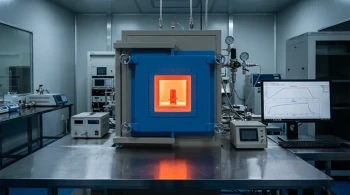
The Engineering of Nothingness: Why Absolute Purity Requires a Vacuum
Discover why vacuum furnaces are indispensable for high-stakes thermal processing. We explore the balance between material integrity and oxidation control.
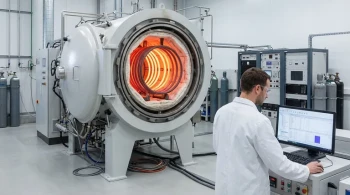
The Temperature Trap: Why a Furnace's True Limit Isn't Just a Number
A vacuum furnace's limit is a trade-off between material science and process integrity, not just its maximum temperature on a spec sheet.
The Silent Geometry: Inside the Heart of the Vacuum Furnace
A deep dive into the engineering trade-offs of vacuum furnace materials. Explore the critical choice between graphite and refractory metals.