
Introduction to High-Temperature Muffle Furnace Calibration
Importance of Calibration
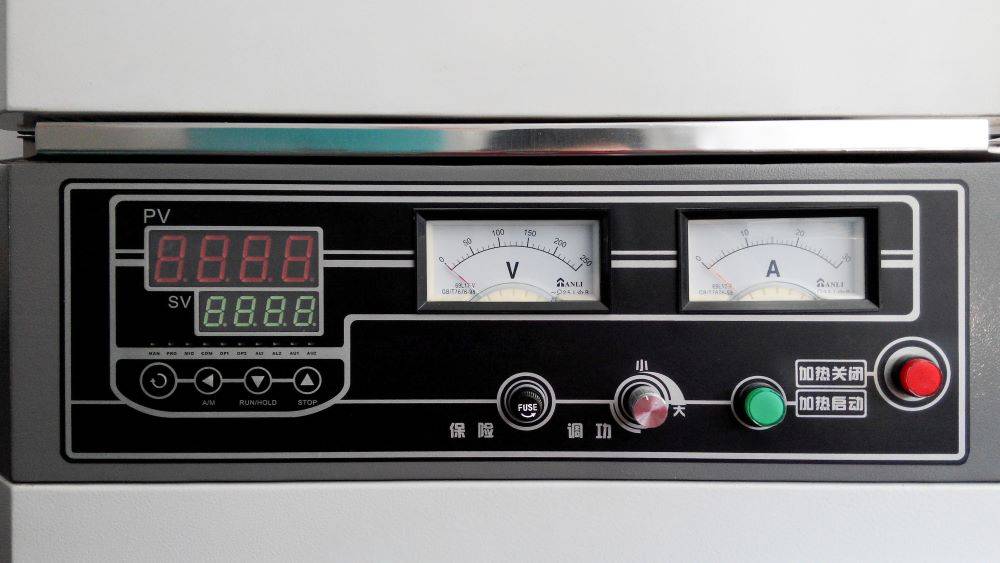
The precision of temperature control in high-temperature muffle furnaces is paramount for achieving accurate laboratory results and maintaining the quality of products. Ensuring the accuracy of the furnace temperature through regular calibration not only enhances the reliability of experimental data but also optimizes production efficiency.
Calibration serves as a critical safeguard against temperature deviations that could lead to inconsistent outcomes in laboratory experiments and manufacturing processes. By systematically verifying and adjusting the temperature settings, calibration helps in maintaining the integrity of the heating environment, which is essential for processes that require precise temperature control, such as annealing, sintering, and heat treatment.
Moreover, regular calibration of high-temperature muffle furnaces contributes to the longevity and performance of the equipment. It helps in identifying and rectifying minor issues before they escalate into significant problems, thereby reducing the likelihood of costly breakdowns and unplanned downtime. This proactive approach to maintenance ensures that the furnace operates at peak efficiency, supporting both research and industrial applications that depend on accurate temperature management.
Traditional Calibration Methods
Challenges with Traditional Methods
Traditional calibration methods for high-temperature muffle furnaces involve the removal of thermocouples and instrumentation for inspection. This approach, while necessary for ensuring accuracy, presents several significant challenges. One of the primary issues is the potential for inaccurate thermocouple placement. When thermocouples are reinserted after inspection, there is a risk of misalignment, which can lead to erroneous temperature readings. This misalignment can be particularly problematic in high-temperature environments where precision is paramount.
Additionally, traditional methods often result in short thermocouple lengths. Shorter thermocouples can limit the accuracy of temperature measurements, especially in furnaces with complex internal geometries. The reduced length means that the thermocouple may not reach critical areas within the furnace, leading to incomplete temperature data and potentially inaccurate calibration results.
Another major drawback of traditional methods is the interruption to production processes. The removal and subsequent reinstallation of thermocouples and instrumentation can cause significant downtime. This downtime not only affects the efficiency of the furnace operation but also can lead to delays in production schedules, increasing costs and reducing overall productivity. The need for frequent inspections and recalibrations further exacerbates this issue, creating a continuous cycle of interruptions that can be detrimental to both short-term and long-term production goals.
In summary, while traditional calibration methods are essential for maintaining the accuracy of high-temperature muffle furnaces, they come with inherent challenges that can impact both the precision of temperature measurements and the continuity of production processes.
System-Wide Calibration Method
Calibration Items
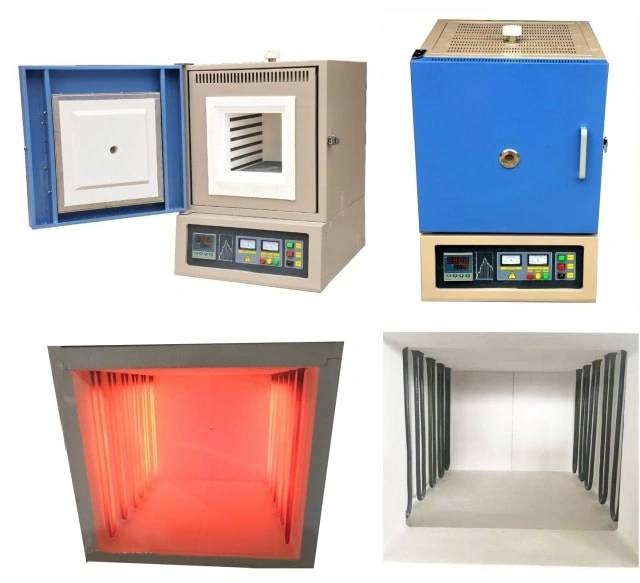
When calibrating high-temperature muffle furnaces, the primary focus is on two critical parameters: temperature deviation and temperature uniformity. These calibration items are essential for ensuring that the furnace operates within the specified temperature range, which is particularly crucial for applications that require precise temperature control. The calibration process is applicable to furnaces capable of reaching temperatures up to 1600°C, making it suitable for a wide range of industrial and scientific applications.
Temperature deviation refers to the difference between the actual temperature inside the furnace and the temperature indicated by the control system. This discrepancy can arise from various factors, including the accuracy of the thermocouples and the control algorithms. Ensuring minimal temperature deviation is vital for maintaining the integrity of experiments and production processes that rely on precise temperature conditions.
On the other hand, temperature uniformity within the furnace chamber is equally important. Uniformity ensures that all parts of the sample or material being processed experience the same temperature, which is crucial for consistent results. Non-uniform temperatures can lead to uneven heating, affecting the quality and reliability of the final product or experimental outcome.
By addressing both temperature deviation and uniformity, the calibration process helps in optimizing the performance of high-temperature muffle furnaces, thereby enhancing their effectiveness and reliability in various applications.
Calibration Device Composition
The calibration process for high-temperature muffle furnaces relies on a combination of specialized devices to ensure precise temperature measurement and control. These devices include standard thermocouples, which serve as the primary sensors for temperature measurement. They are essential for capturing accurate temperature readings within the furnace.
In addition to thermocouples, display instruments are used to visually represent the temperature data collected by the thermocouples. These instruments provide real-time feedback, allowing technicians to monitor the temperature conditions continuously.
To enhance the accuracy of the temperature readings, digital thermometers are integrated into the calibration setup. These devices offer high precision and can be easily interfaced with other instruments for data logging and analysis.
Compensation leads play a crucial role in minimizing errors caused by temperature differences at the connection points of the thermocouples. By compensating for these variations, they ensure that the temperature readings are as accurate as possible.
Lastly, transfer switches are employed to manage the flow of data between the various components of the calibration setup. These switches allow for the efficient and accurate transfer of temperature data from the thermocouples to the display instruments and digital thermometers.
Together, these devices form a comprehensive calibration system that ensures the high-temperature muffle furnace operates within the specified temperature tolerances, thereby maintaining the accuracy and reliability of laboratory results and production processes.
Calibration Steps
The calibration process for high-temperature muffle furnaces is meticulous and involves several critical steps to ensure accurate temperature readings. Firstly, standard thermocouples are installed within the furnace. These thermocouples serve as the primary sensors for measuring temperature and must be placed strategically to capture the full range of temperatures within the furnace chamber.
Next, test points are selected. These points are crucial as they represent the locations within the furnace where temperature readings will be taken. The selection of these points is based on the furnace's design and the specific requirements of the calibration process. Typically, test points are chosen to cover the entire heating zone, ensuring that both the center and edges of the furnace are adequately represented.
Once the test points are established, the calibration process moves to the selection of calibration temperatures. These temperatures are predetermined based on the operational range of the furnace and the specific standards that the calibration aims to meet. Common calibration temperatures for high-temperature furnaces range from ambient to the furnace's maximum operational temperature, often up to 1600°C.
With the calibration temperatures set, the actual temperature calibration is conducted. During this phase, the furnace is heated to the specified temperatures, and readings from the standard thermocouples are taken at each test point. This process is repeated for each calibration temperature to ensure comprehensive data collection.
Finally, the collected data is processed to determine the temperature deviation and uniformity across the furnace. This involves analyzing the temperature readings at each test point to identify any discrepancies and ensure that the furnace operates within the acceptable temperature range. The data processing step is essential for generating a calibration report that validates the furnace's performance and identifies any necessary adjustments.
By following these steps, the calibration process ensures that the high-temperature muffle furnace operates with the necessary precision and reliability, thereby supporting accurate laboratory results and maintaining product quality.
Precautions in Calibration
When calibrating high-temperature muffle furnaces, several critical precautions must be observed to ensure accurate and reliable results. Firstly, correct wiring is essential. Any misconnection or faulty wiring can lead to inaccurate readings or even damage to the equipment. This step requires meticulous attention to detail to avoid potential errors that could compromise the calibration process.
Secondly, the proper placement of thermocouples is crucial. Thermocouples must be positioned accurately within the furnace to capture the true temperature. Improper placement can result in skewed data, leading to incorrect calibration. Ensuring that the thermocouples are correctly situated is a fundamental step that cannot be overlooked.
Another important precaution is stabilizing the temperature before taking readings. Rapid fluctuations in temperature can affect the accuracy of the measurements. Allowing the furnace to reach a stable temperature ensures that the readings are consistent and reliable, thereby enhancing the overall calibration process.
Measuring temperature uniformity under no-load conditions is also a key aspect. This involves checking the temperature distribution across the furnace without any load. Uniformity checks help identify any hotspots or cold spots, which are critical for ensuring that the furnace operates consistently across its entire working area.
Lastly, checking for potential errors throughout the calibration process is imperative. This includes verifying the functionality of all instruments and ensuring that no external factors are influencing the readings. Regular checks help in identifying and rectifying any issues promptly, thereby maintaining the integrity of the calibration.
By adhering to these precautions, the calibration of high-temperature muffle furnaces can be conducted with precision and reliability, ensuring accurate temperature control and enhancing the overall efficiency of the furnace operation.
Related Products
- 1200℃ Muffle Furnace Oven for Laboratory
- 1800℃ Muffle Oven Furnace for Laboratory
- 1700℃ Muffle Oven Furnace for Laboratory
- 1400℃ Muffle Oven Furnace for Laboratory
- High Temperature Muffle Oven Furnace for Laboratory Debinding and Pre Sintering
Related Articles
- Comprehensive Guide to Muffle Furnaces: Applications, Types, and Maintenance
- Factors Influencing the Performance and Price of a Muffle Furnace
- Choosing the Right Muffle Furnace for Laboratory Needs
- Temperature Control Accuracy of High Temperature Experimental Chamber Muffle Furnace
- Muffle Furnace: Structure, Performance, and Usage Guidelines



















