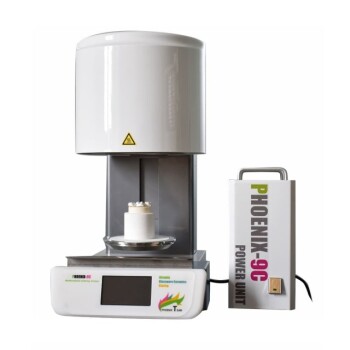
Dental ceramic ovens are the cornerstone of production for four specific types of fixed dental restorations: crowns, bridges, inlays, and onlays. These specialized furnaces utilize high temperatures to process ceramic materials into a hardened, final state, ensuring the durability and fit required for clinical success.
Beyond simply hardening materials, these ovens are critical for the entire lifecycle of a restoration. They are used to crystallize CAD/CAM milled units, process pressable ceramics, and fire the final glaze that gives the tooth its natural esthetic polish.
The Scope of Restorative Applications
Major Prosthetic Units
The most common application for dental ceramic ovens is the fabrication of full-coverage crowns. These units replace the entire external structure of a tooth and require precise firing to handle biting forces.
Bridges are also processed in these furnaces. Because bridges span a gap between teeth, the firing process is vital for ensuring the structural integrity of the ceramic framework.
Conservative Restorations
For cases where less tooth structure is removed, ovens are used to produce inlays and onlays.
An inlay fits within the cusps of a tooth, while an onlay covers one or more cusps. Both require the same rigorous firing process as full crowns to ensure they bond correctly and resist wear.
Production Workflows and Techniques
Processing CAD/CAM Milled Restorations
Modern dentistry relies heavily on Computer-Aided Design and Manufacturing (CAD/CAM).
Once a restoration is milled from a ceramic block, it often exists in a "green" or intermediate state. The dental oven is used to fire these milled units, completing the crystallization process that gives the material its final strength and color.
Handling Pressable Ceramics
Some dental furnaces are specifically designed to handle pressable materials, such as glass ceramics.
These units not only apply heat but also generate the specific pressure required to "press" the molten ceramic into a mold. This technique is often used for high-esthetic crowns and veneers.
Esthetic Glazing and Characterization
Regardless of how the restoration is formed (milled or pressed), it almost always requires a final finishing step.
Dental ovens are used with glaze systems to apply a final esthetic polish. This firing cycle seals the surface of the restoration and adds the gloss necessary to mimic natural tooth enamel.
Understanding the Trade-offs
Material Compatibility vs. Versatility
Not every oven is compatible with every material. Standard ceramic ovens are excellent for firing and glazing but cannot handle the pressure required for pressable ceramics.
If your lab works with pressable glass ceramics, a standard firing furnace will be insufficient; you specifically require a combination press furnace.
Workflow Efficiency
While modern ovens offer features like touchscreen controls and internet connectivity, the firing cycle remains a bottleneck.
High-temperature processing takes time. Relying on a single oven for both crystallization (hardening) and glazing (finishing) can create workflow traffic jams during high-volume production periods.
Making the Right Choice for Your Goal
- If your primary focus is CAD/CAM efficiency: Prioritize an oven known for rapid heating and cooling cycles to speed up the crystallization of milled crowns and bridges.
- If your primary focus is complex esthetics: Ensure you select a furnace with precise temperature control and vacuum features to support delicate layering and glazing techniques.
- If your primary focus is versatility: Invest in a combination furnace that handles both standard firing and the pressure requirements of pressable glass ceramics.
The utility of a dental ceramic oven is defined not just by the restorations it creates, but by its ability to seamlessly integrate into your specific production workflow.
Summary Table:
| Restoration Type | Purpose of Oven Processing | Key Benefit |
|---|---|---|
| Crowns & Bridges | Crystallization and hardening of full-coverage units | Structural integrity to withstand biting forces |
| Inlays & Onlays | Precise firing of conservative restorations | Perfect fit and high wear resistance |
| CAD/CAM Milled Units | Post-milling crystallization and color development | Achievement of final material strength and shade |
| Pressable Ceramics | High-temperature pressing into molds | Superior esthetics for veneers and glass-ceramics |
| Glazing & Finishing | Final esthetic polish and surface sealing | Natural enamel-like gloss and smooth texture |
Elevate Your Dental Lab Precision with KINTEK
At KINTEK, we understand that the quality of your dental restorations depends on the precision of your equipment. Whether you are producing complex crowns, bridges, or high-esthetic veneers, our specialized dental ceramic and press furnaces provide the uniform temperature control and reliability your workflow demands.
From high-performance dental ovens to essential ceramics, crucibles, and lab consumables, KINTEK offers a comprehensive range of solutions designed for modern restorative dentistry. Don't let your equipment be the bottleneck in your production.
Ready to upgrade your laboratory’s capabilities? Contact KINTEK today to find the perfect furnace solution and experience the difference in restorative excellence!
Related Products
- Dental Porcelain Zirconia Sintering Ceramic Furnace Chairside with Transformer
- Dental Porcelain Zirconia Sintering Ceramic Vacuum Press Furnace
- Vacuum Dental Porcelain Sintering Furnace
- High Temperature Muffle Oven Furnace for Laboratory Debinding and Pre Sintering
People Also Ask
- What is the price of zirconia sintering furnace? Invest in Precision, Not Just a Price Tag
- What is the shrinkage of zirconia during sintering? Mastering the 20-25% Dimensional Change
- What is the sintering temperature of zirconia ceramic? Mastering the 1400°C-1600°C Thermal Profile
- What does sintering do to zirconia? Unlock Its Full Strength and Aesthetic Potential
- What is the effect of different sintering process on flexural strength of translucency monolithic zirconia? Optimize Strength vs. Efficiency