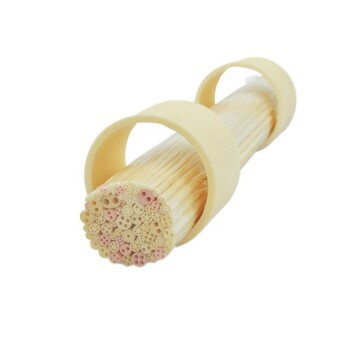
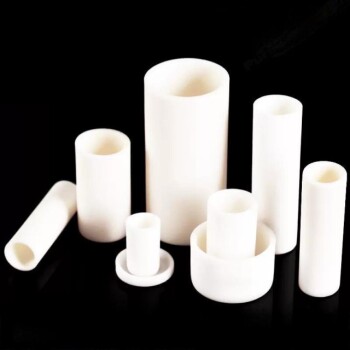
Alumina ceramic tubes serve as a critical insulation barrier for encasing silver lead wires within the harsh environments of electrochemical devices. By functioning effectively at temperatures reaching 700°C, these tubes prevent electrical short circuits between the signal wires and the metallic autoclave body, ensuring the reliability of the system.
The core value of alumina ceramic in this context is signal preservation. By electrically isolating leads from the conductive reactor walls, it protects the integrity of sensitive data, specifically preventing interference in high-frequency Electrochemical Impedance Spectroscopy (EIS).
Preserving Signal Integrity Under Extremes
Thermal Stability at High Temperatures
Standard insulation materials often degrade or melt when subjected to extreme heat. Alumina ceramic maintains its structural and electrical properties up to 700°C.
This high thermal ceiling allows researchers to push the operating limits of their electrochemical devices without risking insulation failure.
Preventing Electrical Short Circuits
In high-pressure setups, the device body is typically a metallic autoclave. Without protection, internal lead wires could easily contact the conductive vessel walls.
Alumina tubes act as a rigid sleeve around the silver lead wires. This physical separation eliminates the risk of shorting the circuit against the autoclave body.
The Critical Role in Advanced Diagnostics
Protecting High-Frequency Data
Advanced diagnostic techniques, such as Electrochemical Impedance Spectroscopy (EIS), rely on the transmission of precise, high-frequency signals.
Any leakage or interference in the circuit can corrupt these delicate signals. Alumina tubes provide the high-purity environment necessary to capture accurate EIS data.
Ensuring Signal Purity
The accuracy of electrochemical readings depends on the isolation of the signal path.
By encasing the leads, alumina ensures that the signal detected is purely from the electrochemical reaction, rather than noise or interference from the surrounding hardware.
Understanding the Operational Constraints
Physical Fragility
While alumina is thermally robust, it is mechanically brittle compared to metal.
Great care must be taken during the assembly of the autoclave to ensure the tubes are not subjected to shear stress or impact, which could crack the ceramic and compromise insulation.
Connection Interfaces
The interface between the rigid ceramic tube and the flexible lead wire can be a point of stress.
Designers must ensure that the "encasing" process does not pinch the silver wire, which could lead to physical damage of the conductor inside the insulator.
Making the Right Choice for Your Goal
When designing high-temperature electrochemical setups, selecting the right insulation strategy is vital for data accuracy.
- If your primary focus is High-Temperature Operation: Utilize alumina tubes to ensure insulation integrity is maintained up to 700°C, where polymer-based insulators would fail.
- If your primary focus is Signal Precision (EIS): prioritize the use of high-grade alumina to eliminate capacitive coupling or shorting against the vessel, preserving high-frequency signal components.
Alumina ceramic provides the essential bridge between extreme environmental durability and the delicate requirements of precision measurement.
Summary Table:
| Feature | Alumina Ceramic Performance | Benefit for Electrochemical Devices |
|---|---|---|
| Temperature Resistance | Stable up to 700°C | Enables high-heat operation without insulation failure |
| Electrical Insulation | High dielectric strength | Prevents short circuits between lead wires and autoclave walls |
| Chemical Stability | High resistance to corrosion | Protects lead wires from harsh reactor environments |
| Signal Protection | Minimal interference | Ensures accurate data for High-Frequency EIS measurements |
| Structural Form | Rigid tubing/sleeves | Provides a durable physical barrier for silver lead wires |
Elevate Your Electrochemical Research Precision
Facing signal interference or insulation failure in your high-pressure setups? KINTEK specializes in advanced laboratory solutions designed for the most demanding environments. From high-temperature high-pressure reactors and autoclaves to precision-engineered electrolytic cells and electrodes, we provide the tools you need to ensure data accuracy.
Our comprehensive portfolio includes:
- Ceramics and Crucibles: High-purity alumina tubes and components for superior insulation.
- Reactor Systems: Custom vacuum, CVD, and high-pressure autoclaves.
- Electrochemical Tools: Specialized cells, electrodes, and battery research consumables.
- Material Processing: High-temperature furnaces and precision hydraulic presses.
Don't let technical constraints compromise your results. Contact KINTEK today to discover how our specialized equipment and high-performance consumables can optimize your laboratory workflow.
References
- Sen Lin, Can Cui. A novel experimental device for electrochemical measurements in supercritical fluids up to 700 °C/1000 bar and its application in the corrosion study of superalloy Inconel 740H. DOI: 10.1039/c7ra04054g
This article is also based on technical information from Kintek Solution Knowledge Base .
Related Products
- High Temperature Alumina (Al2O3) Furnace Tube for Engineering Advanced Fine Ceramics
- High Temperature Aluminum Oxide (Al2O3) Protective Tube for Engineering Advanced Fine Ceramics
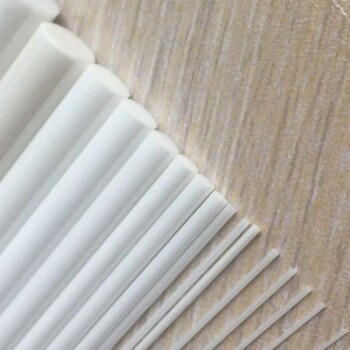
- Engineering Advanced Fine Alumina Al2O3 Ceramic Rod Insulated for Industrial Applications
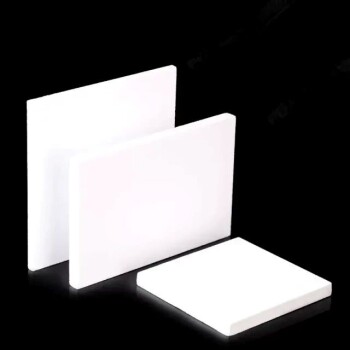
- High Temperature Wear-Resistant Alumina Al2O3 Plate for Engineering Advanced Fine Ceramics
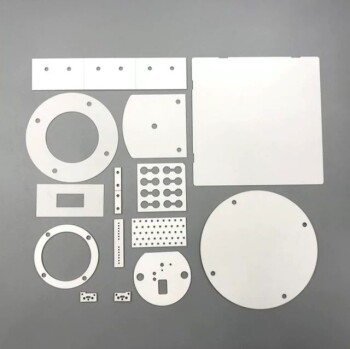
- Custom-Made Alumina Zirconia Special-Shaped Ceramic Plates for Engineering Advanced Fine Ceramics Processing
People Also Ask
- What is the primary function of an Alumina (Al2O3) tube in LLZTO sintering? Optimize Your Thermal Processing
- What role does a high-alumina furnace tube play in high-temperature nickel slag reduction? Ensure 1400°C Precision
- How does an alumina tube furnace with a controlled atmosphere simulate conditions in CSP environments? Master Accuracy.
- How do you clean an alumina tube furnace? Extend Tube Life with Proper Maintenance
- How to clean an alumina tube furnace? Extend Tube Life and Ensure Experimental Purity