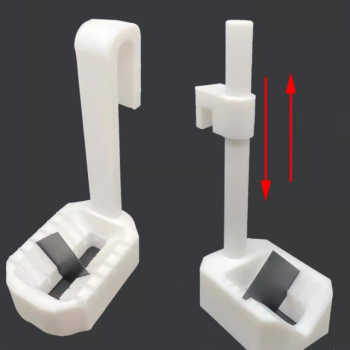
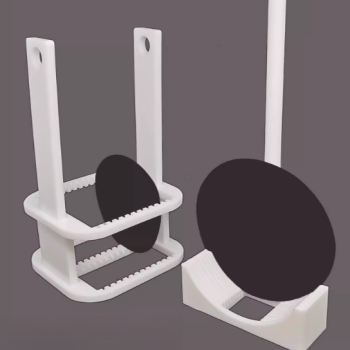
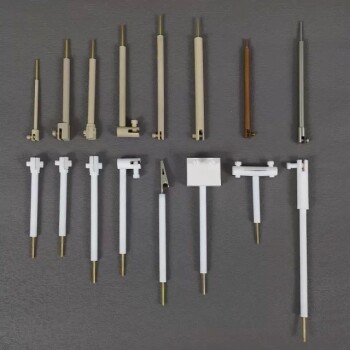
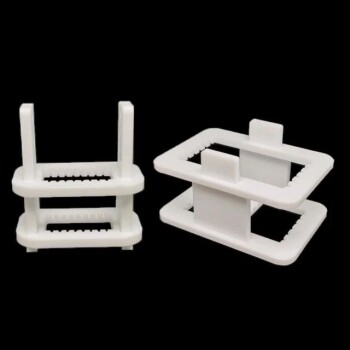
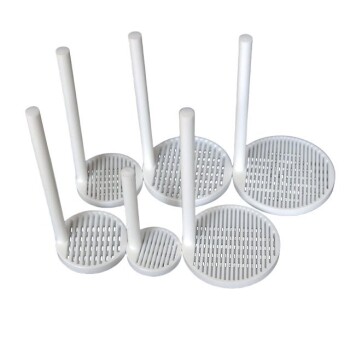
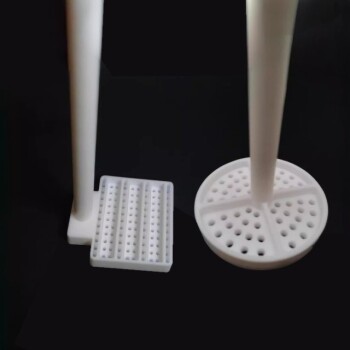
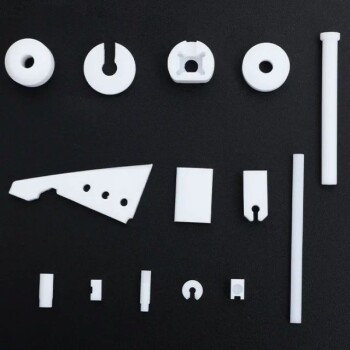
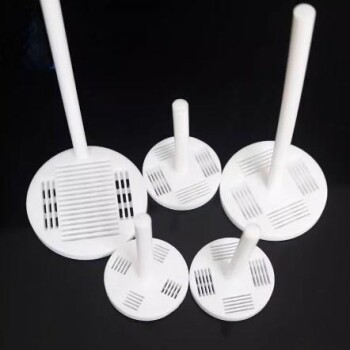
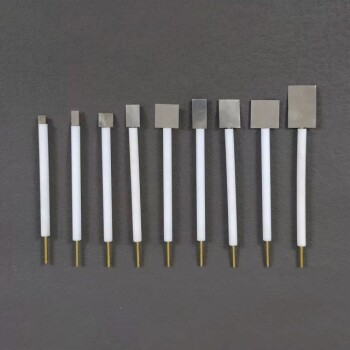
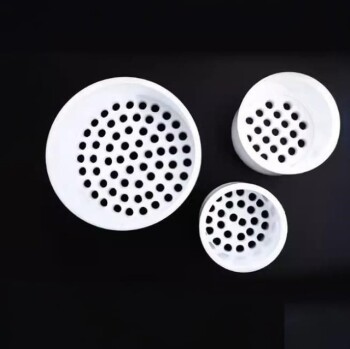
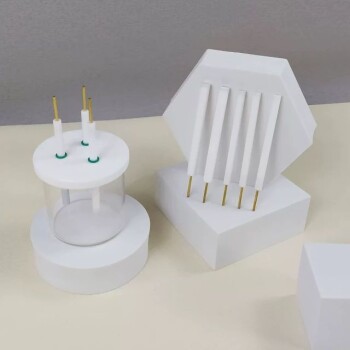
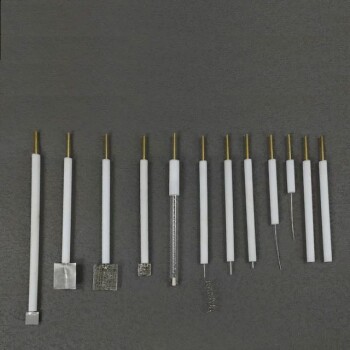
A custom PTFE electrode holder ensures experimental accuracy by strictly defining the exposed surface area of the 20Cr-25Ni-Nb steel while chemically isolating the remaining material from the harsh alkaline environment. Its primary function is to eliminate electrochemical interference and prevent crevice corrosion, ensuring that the data collected reflects only the true properties of the steel specimen rather than artifacts of the test setup.
By utilizing chemically inert PTFE, this custom holder creates a reliable seal that prevents electrolyte leakage and side reactions. This ensures that corrosion measurements are derived solely from the defined surface area of the steel specimen, maintaining data integrity in high-pH solutions.
Chemical Stability in High-pH Environments
Resistance to Strong Alkalis
The primary value of PTFE (Polytetrafluoroethylene) in this context is its exceptional chemical inertness. It remains stable even when exposed to aggressive alkaline environments, such as sodium hydroxide at pH 13.
Eliminating Background Interference
Because the PTFE does not react with the electrolyte, it prevents the introduction of foreign ions or contaminants into the solution. This ensures that the electrochemical signals recorded are strictly from the interaction between the 20Cr-25Ni-Nb steel and the solution, not the holder.
Precision in Sample Exposure
Strictly Defining the Active Area
Accuracy in corrosion testing relies on calculating current density, which requires a precise knowledge of the surface area exposed to the liquid. The custom holder masks the bulk of the sample, exposing only a defined surface area for measurement.
Preventing Crevice Corrosion
One of the most significant sources of error in immersion tests is crevice corrosion, which occurs where the sample meets the holder. The custom PTFE design provides a secure seal at these contact points.
Maintaining Electrochemical Purity
By sealing the interface effectively, the holder prevents the electrolyte from stagnating in gaps between the steel and the mount. This eliminates the localized chemical changes that trigger electrochemical interference and false readings.
Understanding the Trade-offs
Thermal Expansion Mismatch
While PTFE is chemically superior, it has a significantly higher coefficient of thermal expansion than steel. In high-temperature immersion tests, this mismatch can potentially compromise the tightness of the seal if not accounted for in the design.
Machining Precision Requirements
The effectiveness of the holder is entirely dependent on the quality of the "custom" fabrication. If the PTFE is not machined to exact tolerances to match the steel specimen, the seal will fail, rendering the crevice corrosion protection useless.
Ensuring Validity in Your Experimental Design
To maximize the accuracy of your immersion tests, select your setup based on your specific analytical needs:
- If your primary focus is quantitative corrosion rates: Ensure the PTFE holder is machined to strict tolerances to guarantee the exposed surface area is constant and known.
- If your primary focus is preventing localized attack: Verify the integrity of the seal at the sample edge to confirm that no crevice corrosion is artificially accelerating material degradation.
The custom PTFE holder effectively removes the sample mount as a variable, allowing the intrinsic corrosion behavior of the steel to be measured with confidence.
Summary Table:
| Feature | Benefit for Immersion Testing | Impact on Data Accuracy |
|---|---|---|
| Chemical Inertness | Resists aggressive alkaline environments (pH 13+) | Prevents electrolyte contamination and background noise |
| Defined Surface Area | Strictly masks the specimen bulk | Ensures precise current density and corrosion rate calculation |
| Secure Seal Design | Eliminates gaps between sample and holder | Prevents crevice corrosion and localized electrochemical interference |
| Custom Machining | Perfect fit for 20Cr-25Ni-Nb specimens | Guarantees seal integrity and repeatable experimental conditions |
Elevate Your Electrochemical Research with KINTEK Precision
Maximize the integrity of your material testing with KINTEK’s specialized laboratory solutions. Whether you are analyzing the corrosion resistance of advanced alloys like 20Cr-25Ni-Nb or conducting complex electrolysis, our high-quality PTFE products, electrolytic cells, and electrodes are engineered for extreme chemical stability.
Beyond consumables, KINTEK offers a comprehensive range of high-temperature furnaces, hydraulic presses, and battery research tools designed to meet the rigorous demands of modern laboratories. Don't let equipment variables compromise your data—partner with KINTEK for reliable, high-performance tools tailored to your specific research needs.
Ready to optimize your lab setup? Contact KINTEK today for a custom consultation!
References
- R. Clark, G. Williams. The effect of sodium hydroxide on niobium carbide precipitates in thermally sensitised 20Cr-25Ni-Nb austenitic stainless steel. DOI: 10.1016/j.corsci.2020.108596
This article is also based on technical information from Kintek Solution Knowledge Base .
Related Products
- Custom PTFE Wafer Holders for Lab and Semiconductor Processing
- Customizable PTFE Wafer Carriers for Semiconductor and Lab Applications
- Electrode Fixture for Electrochemical Experiments
- PTFE Electrolytic Cell Electrochemical Cell Corrosion-Resistant Sealed and Non-Sealed
- Custom PTFE Teflon Parts Manufacturer for Conductive Glass Substrate Cleaning Rack
People Also Ask
- Why is PTFE selected for L-proline plasma degradation? Ensure Chemical Purity & Field Stability
- Why is a custom PTFE sample holder necessary for CBD of Cd(1-x)ZnxS thin films? Ensure High Purity and Uniformity
- Why is it necessary to utilize PTFE sample holders in electroless nickel plating? Ensure Process Integrity
- Why are PTFE containers required for PCT leaching tests? Ensure Chemical Inertness and Analytical Precision
- How do PTFE holders or laboratory presses contribute to electrode prep? Ensure Precision in Corrosion Testing