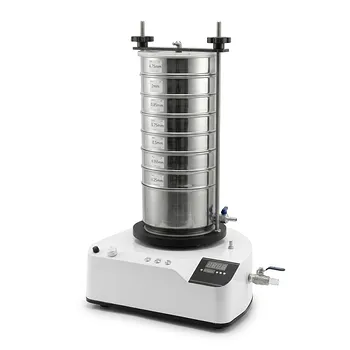
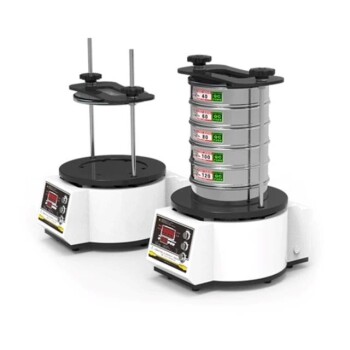
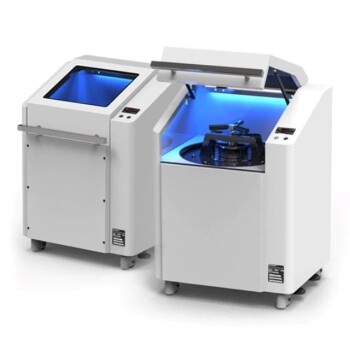
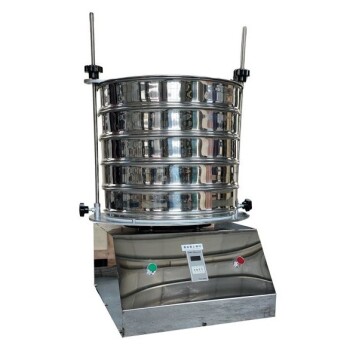
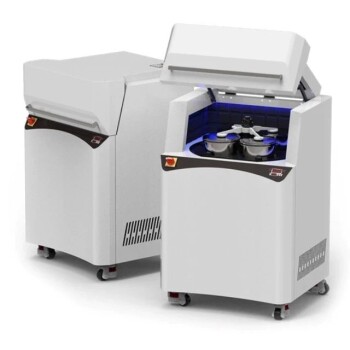
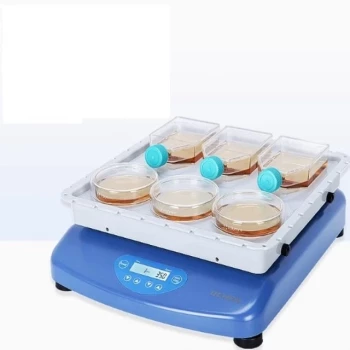
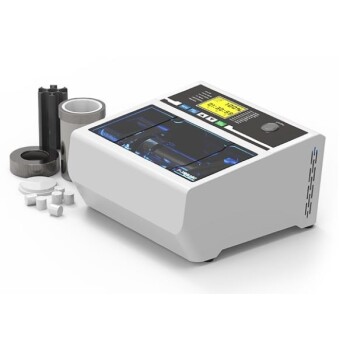
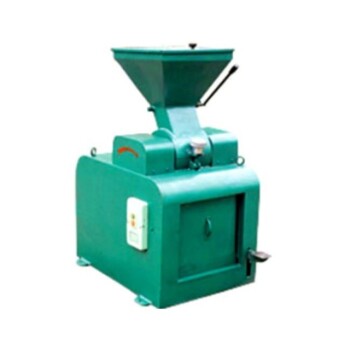
A laboratory standard vibratory sieve acts as a critical preparation tool by mechanically separating raw geological materials into distinct, uniform particle size fractions. By utilizing precise mesh screens, the device classifies complex natural samples—such as zeolite or mica—ensuring that the material used in subsequent experiments possesses a consistent physical baseline.
Core Takeaway Achieving particle size uniformity is not merely a procedural step; it is fundamental to the validity of adsorption studies. By standardizing the physical dimensions of the material, you directly influence the available surface area and diffusion characteristics, ensuring that kinetic data accurately reflects the material's properties rather than sample inconsistencies.
The Mechanism of Action
Precision Classification
The primary function of the vibratory sieve is classification. It takes raw, heterogeneous geological material and segregates it based on geometric size.
This process eliminates the variability found in natural samples. Instead of testing a random mix of dust and large chunks, you isolate a specific, narrow range of particle sizes.
Standardization for Reproducibility
For scientific rigor, experimental conditions must be repeatable. The sieve ensures that every run of your adsorption experiment uses material with the same physical characteristics.
Without this standardization, comparing results between different batches of material becomes scientifically invalid.
Impact on Adsorption Kinetics
Maximizing Effective Contact Area
The physical size of the geological material is inversely related to its effective contact area.
As the vibratory sieve isolates smaller particle sizes, the total surface area available for the adsorbate increases significantly. This larger contact area is the primary driver for improved interaction between the solid and the fluid phases.
Shortening Internal Diffusion Paths
Adsorption is not just a surface phenomenon; it involves the transport of molecules into the material's pore structure.
Smaller particles, selected via the sieve, possess shorter internal diffusion paths. This reduces the distance an adsorbate molecule must travel to reach an active site, thereby accelerating the overall process.
Increasing Adsorption Rate
The combination of increased surface area and shorter diffusion paths leads to a direct increase in the adsorption rate.
By controlling particle size, you effectively tune the kinetics of the reaction. This control allows researchers to accurately model how fast the material can remove contaminants or store molecules.
Common Pitfalls to Avoid
The Danger of Mixed Particle Sizes
If a vibratory sieve is not used or is used incorrectly, the sample will contain a broad distribution of particle sizes.
In a mixed sample, small particles will adsorb quickly while large particles adsorb slowly. This creates complex, overlapping kinetic data that is difficult to interpret and nearly impossible to model accurately.
Misinterpreting Kinetic Data
Failing to account for particle size can lead to false conclusions about a material's chemical affinity.
A "slow" adsorption result might not mean the material is chemically poor; it may simply mean the particles were too large, creating long diffusion paths that bottled-necked the process.
Making the Right Choice for Your Goal
To maximize the quality of your adsorption data, consider how particle size interacts with your specific objectives.
- If your primary focus is Adsorption Speed: Prioritize sieving to the smallest practical mesh size to minimize diffusion paths and maximize immediate uptake rates.
- If your primary focus is Experimental Accuracy: Ensure you discard both the undersized "fines" and oversized chunks to create the narrowest possible size distribution for consistent kinetic modeling.
By strictly controlling particle size through vibratory sieving, you transform a raw geological sample into a reliable scientific standard.
Summary Table:
| Feature | Impact on Adsorption Study | Key Benefit |
|---|---|---|
| Precision Classification | Eliminates size variability in raw geological samples | Consistent physical baseline |
| Increased Surface Area | Maximizes effective contact between solid and fluid | Enhanced adsorption capacity |
| Shortened Diffusion Paths | Reduces travel distance to internal active sites | Faster adsorption kinetics |
| Reproducibility | Standardizes every experimental run | Scientifically valid data comparison |
| Fines & Oversize Removal | Prevents overlapping and complex kinetic data | Clearer, more accurate modeling |
Precision Results Start with Superior Sample Preparation
In high-stakes adsorption studies, inconsistencies in particle size lead to unreliable kinetic data. KINTEK specializes in high-performance laboratory equipment designed to eliminate these variables. From our precision vibratory sieving equipment and crushing and milling systems to our high-temperature furnaces and isostatic presses, we provide the tools necessary to transform raw geological samples into standardized scientific materials.
Ready to enhance the accuracy and reproducibility of your research? Contact KINTEK today to find the perfect sieving and processing solution for your laboratory’s unique requirements.
References
- Yasmin Vieira, Guilherme Luiz Dotto. An overview of geological originated materials as a trend for adsorption in wastewater treatment. DOI: 10.1016/j.gsf.2021.101150
This article is also based on technical information from Kintek Solution Knowledge Base .
Related Products
- Laboratory Vibratory Sieve Shaker Machine Slap Vibrating Sieve
- Laboratory Vibratory Sieve Shaker Machine for Dry and Wet Three-Dimensional Sieving
- Laboratory Wet Three-Dimensional Vibratory Sieve Shaker Machine
- Vibratory Sieve Shaker Machine Dry Three-Dimensional Vibrating Sieve
- Laboratory Test Sieves and Vibratory Sieve Shaker Machine
People Also Ask
- How does a laboratory vibratory sieve shaker facilitate the microstructural study of gas-atomized alloy powders?
- What role does a laboratory vibrating sieve shaker play in the LiFePO4 powder processing workflow? Ensure Batch Quality
- What are laboratory sieves used for? Measure Particle Size for Quality Control & R&D
- What are the uses of sieve in laboratory? Essential Guide to Particle Size Analysis
- What are the sieve used in laboratory? A Guide to Choosing the Right Sieve for Accurate Particle Analysis