A precision magnetic stirrer acts as the critical kinetic driver within an electrochemical degradation cell. By continuously agitating the electrolyte, it accelerates the convective transfer of reaction substrates and active radicals, effectively eliminating concentration polarization at the electrode surface to significantly improve overall degradation efficiency.
Core Takeaway: Efficiency in electrochemical degradation is limited by how fast reactants reach the electrode. Precision stirring overcomes this physical limit by enforcing convective transfer, ensuring the electrode is constantly supplied with fresh reactants.
The Mechanics of Mass Transfer
Accelerating Convective Transfer
The fundamental role of the magnetic stirrer is to generate continuous movement within the electrolyte.
This mechanical agitation accelerates convective transfer, which is the physical movement of fluids and particles. Without this forced motion, the system would rely on slower natural processes to move components through the cell.
Eliminating Concentration Polarization
One of the most significant barriers to efficiency is concentration polarization.
This occurs when reactants are consumed at the electrode surface faster than they can be replenished. The stirrer eliminates this issue by constantly sweeping fresh solution against the electrode, ensuring the reaction rate is not throttled by a lack of available material.
Optimizing Chemical Interactions
Transporting Active Radicals
For degradation to occur, active agents known as radicals must be distributed effectively.
The stirrer ensures that potent oxidative agents, such as hydroxyl and hypochlorite radicals, are circulated throughout the cell. This rapid transport prevents these short-lived radicals from decaying before they can interact with the target pollutants.
Replenishing Reaction Substrates
The target pollutants, referred to as reaction substrates (such as methylene blue), must physically touch the electrode or interact with generated radicals.
Precision agitation ensures these substrates are continuously pushed toward the active sites on the electrode. This guarantees that the electrode is always processing new material rather than sitting idle in a depleted zone.
The Risks of Inadequate Agitation
The Bottleneck of Diffusion
If a precision stirrer is not used or is set too low, the system is forced to rely on diffusion.
Diffusion is a passive, slow process where molecules move from high to low concentration naturally. Relying on diffusion alone creates a bottleneck, rendering even a high-powered electrode inefficient because reactants simply cannot arrive fast enough.
Formation of Stagnant Zones
Without consistent mixing, stagnant zones can form around the electrode.
In these zones, the electrolyte becomes depleted of substrates and saturated with byproducts. This effectively insulates the electrode, causing a sharp drop in degradation performance regardless of the voltage applied.
Making the Right Choice for Your Goal
To maximize the performance of your electrochemical cell, consider the following principles:
- If your primary focus is Speed: High agitation rates are essential to force active radicals like hydroxyls to their targets before they degrade.
- If your primary focus is Efficiency: Ensure constant, precision stirring to prevent concentration polarization, keeping the electrode active 100% of the time.
Ultimately, the magnetic stirrer transforms the electrolyte from a passive medium into a dynamic delivery system, unlocking the full potential of the electrode.
Summary Table:
| Mechanism | Impact on Efficiency | Key Benefit |
|---|---|---|
| Convective Transfer | Accelerates substrate movement | Overcomes slow diffusion bottlenecks |
| Polarization Control | Eliminates concentration polarization | Keeps electrode surface supplied with reactants |
| Radical Distribution | Uniformly circulates active radicals | Prevents premature decay of oxidative agents |
| Substrate Replenishment | Constant flow of target pollutants | Maximizes active site utilization on electrodes |
Maximize Your Lab’s Research Potential with KINTEK
Precision is the backbone of successful electrochemical research. KINTEK specializes in high-performance laboratory equipment, offering everything from electrolytic cells and electrodes to advanced magnetic stirrers, homogenizers, and shakers.
Whether you are optimizing wastewater degradation or conducting complex battery research, our comprehensive portfolio—including high-temperature furnaces, crushing systems, and precision hydraulic presses—ensures your lab operates at peak efficiency.
Ready to upgrade your experimental setup? Contact KINTEK today to discover how our high-quality consumables and equipment can deliver the precise results your research demands.
References
- Gunawan Gunawan, Roni Adi Wijaya. Electrochemical Degradation of Methylene Blue with Seawater and Pb/PbO2 Electrodes from Battery Waste. DOI: 10.33640/2405-609x.3333
This article is also based on technical information from Kintek Solution Knowledge Base .
Related Products
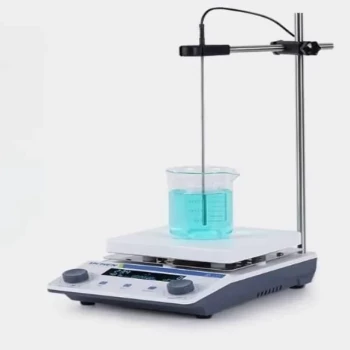
- Laboratory Small Constant Temperature Heated Magnetic Stirrer Heater and Stirrer
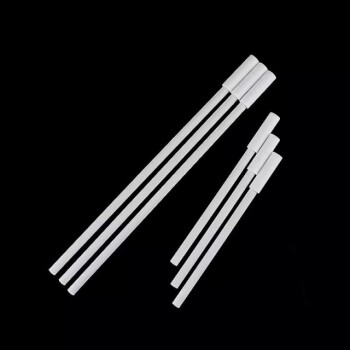
- Custom PTFE Teflon Parts Manufacturer for Magnetic Stirring Bar
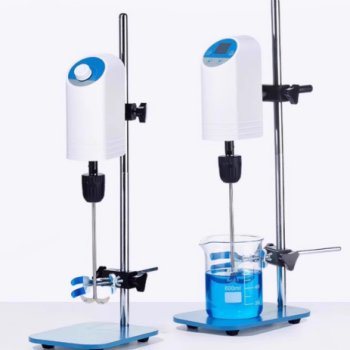
- High Performance Laboratory Stirrers for Diverse Applications
- Custom PTFE Teflon Parts Manufacturer for PTFE Stirring Bar Recovery Rod
People Also Ask
- What role does a magnetic stirrer with heating play in ZnO nanoparticle synthesis? Precision Control for Quality Results
- What role does a constant temperature heating magnetic stirrer play in MFC-HAp synthesis? Achieve Material Homogeneity
- What is the function of a laboratory magnetic stirrer in Ni–Cr–P electrodeposition? Optimize Ion Transport & Coating
- Why is a laboratory magnetic stirrer required for benzoic acid esters? Boost Reaction Speed & Yield with High RPM
- What role does a laboratory magnetic stirrer play in TiO2 and TiO2-Ag sol preparation? Master Chemical Kinetics