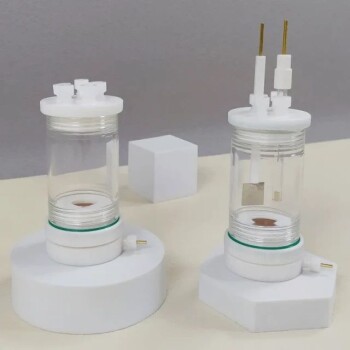
Electrolytic polishing and etching units function by applying precise voltage and current within a specialized electrolyte solution to selectively dissolve surface material, effectively revealing microstructural details that standard methods miss. By exploiting the electrochemical potential differences between the alloy matrix and specific phases, these units provide the high-definition contrast required to observe grain boundaries in corrosion-resistant alloys like INCONEL 740H.
Core Takeaway Standard chemical etching is often insufficient for corrosion-resistant superalloys because they are designed to withstand chemical attack. Electrolytic units overcome this by forcing electrochemical reactions, allowing you to clearly define grain boundaries and carbide distributions to identify critical failure precursors like creep damage.
The Mechanisms of Clarity
To understand how these units assist in observation, it is necessary to distinguish between the two distinct functions they perform: polishing and etching.
Creating a Stress-Free Surface (Polishing)
Before grain boundaries can be accurately defined, the sample surface must be free of mechanical distortions. Electrolytic polishing uses electrochemical dissolution to remove the disturbed layer and microscopic scratches left by mechanical grinding.
This process eliminates the surface stress associated with physical abrasion. The result is a highly flat, pristine surface that allows for accurate optical observation without the interference of mechanical artifacts.
Exploiting Electrochemical Potential (Etching)
Once the surface is polished, the unit switches to etching. This process relies on the fact that different phases of an alloy—such as the bulk matrix versus carbide precipitates—have different electrochemical potentials.
By applying a controlled voltage, the unit drives a current that dissolves these phases at different rates. This selective dissolution creates physical relief and contrast on the surface, making the grain boundaries distinct and visible under a microscope.
Why INCONEL 740H Demands Electrolytic Methods
INCONEL 740H is a superalloy specifically engineered for high-temperature corrosion resistance. This characteristic makes it notoriously difficult to prepare using standard techniques.
Overcoming Chemical Inertness
Standard chemical etchants often fail to react sufficiently with INCONEL 740H due to its protective properties. Electrolytic etching forces the reaction, providing a level of definition that passive chemical soaking cannot achieve.
Defining Grain Boundaries and Carbides
The controlled nature of the electrolytic process results in a much clearer outline of grain boundaries compared to chemical alternatives. It also highlights carbide distributions with greater precision, which is essential for characterizing the material's thermal history.
Identifying Creep Damage
For high-performance alloys, the integrity of grain boundaries is critical. Electrolytic etching is particularly useful for detecting early signs of failure, such as vacancy accumulation and the initiation of micro-cracks along grain boundaries, which are indicative of creep damage.
Understanding the Trade-offs
While electrolytic methods offer superior results for superalloys, they introduce specific challenges that must be managed.
Sensitivity to Parameters
The success of this method hinges on the precise control of voltage and current density. Incorrect settings can lead to pitting, over-etching, or a lack of contrast, potentially obscuring the very features you intend to reveal.
Chemical Handling Requirements
Electrolytic polishing often utilizes potent solutions, such as perchloric acid mixtures. These require strict safety protocols and specialized handling to manage the risks associated with corrosive and reactive chemicals.
Making the Right Choice for Your Goal
When analyzing superalloys like INCONEL 740H, your specific observational goals should dictate how you utilize these units.
- If your primary focus is surface integrity: Prioritize the electrolytic polishing phase to remove mechanical deformation and ensure a stress-free surface for general analysis.
- If your primary focus is failure analysis: Rely heavily on electrolytic etching to reveal vacancy accumulation and micro-cracks associated with creep damage.
- If your primary focus is phase identification: Use the voltage controls to exploit potential differences, maximizing the contrast between the alloy matrix and carbides.
By leveraging the precise electrochemical controls of these units, you transform a corrosion-resistant barrier into a clear window for microstructural analysis.
Summary Table:
| Feature | Electrolytic Polishing | Electrolytic Etching |
|---|---|---|
| Primary Goal | Remove mechanical deformation & scratches | Reveal grain boundaries & microstructural phases |
| Mechanism | Uniform electrochemical dissolution | Selective dissolution based on potential differences |
| Surface Effect | Creates a stress-free, mirror-like finish | Creates physical relief and visual contrast |
| Key Benefit | Eliminates artifacts for accurate optical view | Highlights carbides and early creep damage |
Elevate Your Microstructural Analysis with KINTEK
Precision analysis of corrosion-resistant superalloys like INCONEL 740H requires more than standard tools—it demands professional-grade electrochemical control. At KINTEK, we specialize in high-performance laboratory equipment, including specialized units for sample preparation and material testing.
Whether you are conducting failure analysis for creep damage or characterizing carbide distributions, our expertise in high-temperature systems and laboratory consumables ensures your research is backed by accuracy and durability. From metallographic preparation tools to high-temperature furnaces and reactors, KINTEK provides the comprehensive solutions your lab needs to succeed.
Ready to achieve high-definition clarity in your material research? Contact us today to explore our full range of solutions!
References
- John Shingledecker, Alex Bridges. Relationship between Grain Size and Sample Thickness on the Creep-Rupture Performance of Thin Metallic Sheets of INCONEL Alloy 740H. DOI: 10.1007/s11665-022-07785-2
This article is also based on technical information from Kintek Solution Knowledge Base .
Related Products
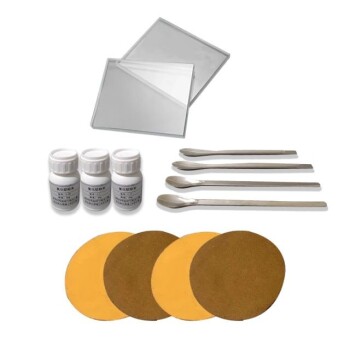
- Electrode Polishing Material for Electrochemical Experiments
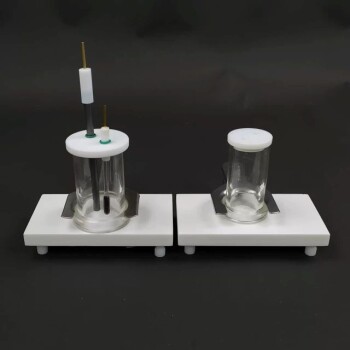
- Electrolytic Electrochemical Cell for Coating Evaluation
- Quartz Electrolytic Electrochemical Cell for Electrochemical Experiments
- Three-dimensional electromagnetic sieving instrument
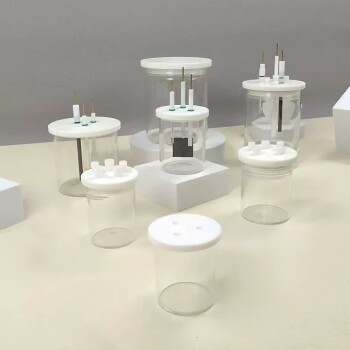
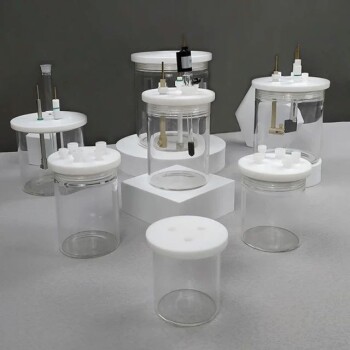
- Electrolytic Electrochemical Cell with Five-Port
People Also Ask
- How do you prepare the polishing setup for an electrode? Achieve a Flawless Mirror Finish for Reliable Electrochemistry
- What is the general procedure and what precautions should be taken during the polishing process? Achieve a Flawless Electrode Finish
- What are the electrode materials? A Guide to Choosing the Right Conductor for Your Application
- What are the examples of electrode materials? From Platinum to Graphite for Your Application
- How is a polished electrode tested for quality? Validate Performance with Cyclic Voltammetry