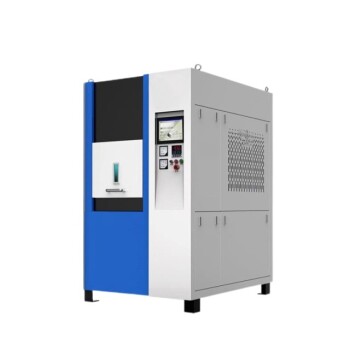
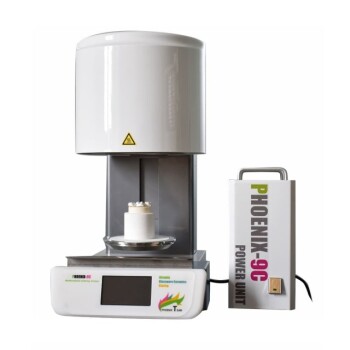
Sintering is often described using several industry-specific terms that highlight different aspects of the manufacturing process. The most common alternative designations include powder metallurgy, metal injection molding (MIM), consolidation, caking, and firing.
While these terms are frequently used interchangeably with sintering, they technically refer to specific applications (such as ceramics vs. metals) or distinct stages of fusing particle-based forms into solids.
Industry-Specific Terminology
Depending on the material being processed—specifically whether it is metal or ceramic—the terminology for sintering shifts to reflect standard industry practices.
Metalworking: Powder Metallurgy
Powder metallurgy is the primary term used when the material involved is metal.
It describes the broader process of pressing or injecting metal powders to form solid objects. While sintering is the thermal mechanism that strengthens the part, "powder metallurgy" encompasses the entire manufacturing workflow.
Metalworking: Metal Injection Molding (MIM)
Metal Injection Molding (MIM) refers to a specialized subset of powder metallurgy.
This process involves injecting a slurry composed of metal powder and a molten polymer into a mold. Once the polymer is burned away, the remaining particles are fused by heat, making MIM a specific application of sintering for complex shapes.
Ceramics: Consolidation
In the ceramics industry, the term consolidation is frequently used instead of sintering.
This refers to the act of press molding ceramic powders into solid forms. The focus here is on the physical compaction of the material before or during the curing process.
Ceramics: Firing
Firing is another term dominant in the ceramics sector.
It describes the heat integration of particle-based forms, typically occurring in a kiln. While "sintering" describes the atomic bonding, "firing" describes the operational step of heating the ceramic body.
Terms Describing the Physical Mechanism
Some alternative terms describe the physical behavior of the particles rather than the industry application.
Caking
Caking is a descriptive term referring to the bonding of various powder particles.
It describes the formation of a solid "cake" from loose material, emphasizing the transition from a dispersed state to a cohesive solid mass.
Densification
While not strictly a synonym, densification is often used to describe the outcome of the sintering process.
As atoms diffuse across particle boundaries, pores are excluded and the material shrinks. This results in a denser, stronger body, making densification a key metric for successful sintering.
Common Distinctions to Maintain
It is important to understand that these terms are not always perfect synonyms.
Process vs. Mechanism
Terms like powder metallurgy and MIM describe a manufacturing process (the "how").
In contrast, sintering describes the thermal mechanism (the "what") where atoms diffuse to fuse particles below their melting point.
Material Specificity
Using the wrong term can lead to confusion regarding the material being used.
Referring to a metal part as having been "fired" or a ceramic part as a product of "powder metallurgy" is technically incorrect, even though the underlying physics of heat-induced fusion are similar.
How to Apply This to Your Project
When communicating technical requirements, choosing the right terminology ensures clarity regarding materials and methods.
- If your primary focus is metal manufacturing: Use powder metallurgy or MIM to describe the full production cycle of pressing and heating metal powders.
- If your primary focus is ceramic production: Use consolidation or firing to align with standard kiln-curing vocabulary.
- If your primary focus is the physical bonding of particles: Use sintering or caking to describe the fundamental fusing of atoms without melting.
Precision in language reflects a precise understanding of the manufacturing process.
Summary Table:
| Terminology | Primary Industry | Focus of the Term |
|---|---|---|
| Powder Metallurgy | Metalworking | The entire workflow of pressing and heating metal powders. |
| Metal Injection Molding (MIM) | Metalworking | A specialized process using metal slurry for complex shapes. |
| Firing | Ceramics | The operational act of heating a material in a kiln. |
| Consolidation | Ceramics | The physical compaction of powders into a solid form. |
| Caking | General Manufacturing | The physical bonding of loose particles into a cohesive mass. |
| Densification | Material Science | The outcome of reduced porosity and increased material strength. |
Elevate Your Sintering Precision with KINTEK
Whether your project involves advanced powder metallurgy, high-precision Metal Injection Molding (MIM), or complex ceramic firing, KINTEK provides the industrial expertise and equipment you need. We specialize in high-performance muffle, vacuum, and atmosphere furnaces, as well as hydraulic pellet presses and crushing systems designed for superior material densification.
Our value to you:
- Comprehensive Range: From lab-scale research to industrial production.
- Technical Expertise: Tailored solutions for metals, ceramics, and battery research.
- Global Reliability: Trusted consumables like crucibles, ceramics, and PTFE products.
Ready to optimize your manufacturing process? Contact KINTEK's technical specialists today to find the perfect solution for your sintering and consolidation needs!
Related Products
- Vacuum Heat Treat and Sintering Furnace with 9MPa Air Pressure
- Spark Plasma Sintering Furnace SPS Furnace
- Vacuum Heat Treat and Molybdenum Wire Sintering Furnace for Vacuum Sintering
- Small Vacuum Heat Treat and Tungsten Wire Sintering Furnace
- Dental Porcelain Zirconia Sintering Ceramic Vacuum Press Furnace
People Also Ask
- What is the process of pressure sintering? Achieve Superior Density and Strength for High-Performance Parts
- What is the effect of pressure during sintering? Achieve Higher Density and Finer Microstructures Faster
- Why must green bodies produced via binder jetting undergo treatment in a vacuum sintering furnace?
- What is a vacuum sintering furnace? Unlock Purity and Performance in Advanced Materials
- How does the vacuum environment impact sintering of diamond-copper composites? Protect Against Thermal Damage