In short, infrared spectroscopy is one of the safest analytical techniques used in a modern laboratory. The instrument itself presents exceptionally low risk to the operator. The primary hazards almost always arise from the chemical samples being analyzed or the specific methods used to prepare them, not from the spectrometer's operation.
The core principle of IR safety is shifting your focus from the instrument to the sample. While the spectrometer is benign, the toxicity, flammability, or reactivity of your compound—and the physical forces or chemicals used in sample preparation—constitute the only significant areas of risk.
Deconstructing the Instrument: Minimal Inherent Risks
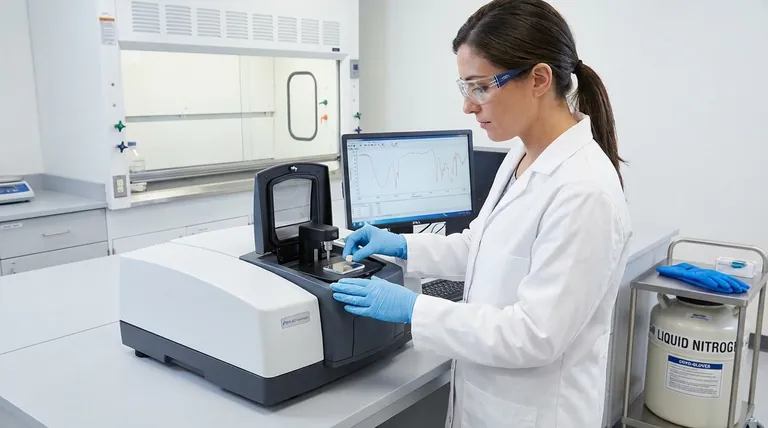
A modern Fourier Transform Infrared (FT-IR) spectrometer is an engineered system designed for operator safety. Its core components are well-enclosed and pose little to no direct hazard.
The Infrared Source
The source of infrared radiation is typically a ceramic element or inert metal filament that is heated to incandescence, such as a Globar (silicon carbide) or Nernst glower. Think of it as a specialized, enclosed light bulb filament. The energy emitted is non-ionizing radiation (heat), which is contained within the instrument's optical path.
The Internal Laser
FT-IR instruments use a low-power Helium-Neon (HeNe) laser for internal wavelength calibration. These are typically Class 1 or Class 2 lasers, meaning they are either incapable of causing harm or the eye's natural blink reflex provides sufficient protection. Crucially, this laser is entirely enclosed within the instrument's chassis and does not pose an exposure risk during normal operation.
The Detector System
Most standard detectors, like DTGS (deuterated triglycine sulfate), operate at room temperature and have no inherent hazards. Some high-sensitivity detectors (like MCT detectors) require cooling with liquid nitrogen. In this case, the hazard is the cryogenic liquid, not the detector itself.
The Real Hazard Profile: Sample Preparation and Handling
This is where a proper risk assessment is critical. The vast majority of incidents or exposures related to IR spectroscopy occur during the steps taken before the sample is ever placed in the instrument.
Chemical Hazards of the Sample
This is the single most important consideration. The spectrometer is simply an analysis tool. If you are analyzing a highly toxic, carcinogenic, or volatile substance, you must use appropriate personal protective equipment (PPE) and engineering controls, such as a fume hood. The hazard is the chemical, not the analysis method.
Preparing KBr Pellets
The most common sample preparation technique involves significant physical force.
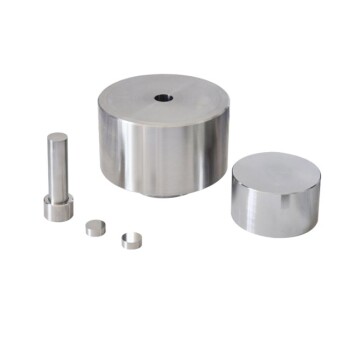
- High Pressure: A hydraulic press used to create potassium bromide (KBr) pellets can generate forces of several tons. A catastrophic failure of the die set or improper use of the press can eject metal shards. Always use the safety shield.
- Irritant Dust: KBr is a saline irritant. Grinding it with your sample can create a fine dust that can irritate the eyes and respiratory tract.
Using Solvents or Mulling Agents
Samples are sometimes dissolved in a solvent or ground into a paste (a mull) with a mineral oil like Nujol.
- Solvent Toxicity/Flammability: Some older recommended solvents like carbon tetrachloride and chloroform are now known to be highly toxic or carcinogenic. Always consult the Safety Data Sheet (SDS) for any solvent you use and handle it in a well-ventilated area.
- Nujol is largely benign, but other mulling agents may have their own specific hazards.
Risks from ATR Crystals
Attenuated Total Reflectance (ATR) is a popular technique because it requires minimal sample preparation. However, the crystal itself can be a hazard.
- Toxicity: Older or specialized ATR crystals like KRS-5 (thallium bromoiodide) are extremely toxic if the crystal breaks and the thallium salt is ingested or absorbed.
- Fragility: Crystals like Zinc Selenide (ZnSe) are brittle and can break under excessive pressure, creating sharp edges. While far less toxic than KRS-5, the dust should not be inhaled. A diamond ATR is the hardiest and safest option.
Common Pitfalls and Ancillary Hazards
Beyond sample preparation, a few other factors require attention.
Cryogenic Liquid Handling
If your instrument has a cooled detector, you will handle liquid nitrogen. The risks are severe cryogenic burns from skin contact and potential asphyxiation if a large amount evaporates in a poorly ventilated room, displacing oxygen. Proper training and PPE (cryo-gloves, face shield) are mandatory.
Electrical Safety
Like any piece of laboratory equipment, the spectrometer is a mains-powered electrical device. Ensure the power cord is in good condition and the instrument is properly grounded. This is a standard laboratory precaution, not a specific IR hazard.
High-Pressure/Temperature Cells
Specialized research applications may involve analyzing samples under high pressure or at extreme temperatures using special cells. These accessories carry significant risks of explosion or severe burns if they are not used exactly as specified by the manufacturer.
Making the Right Choice for Your Goal
Your approach to safety should be dictated by what you are trying to accomplish.
- If you are analyzing a routine, non-hazardous solid sample: Your primary risk is physical injury from the KBr press. Always use the safety shield and inspect the equipment.
- If you are analyzing a volatile liquid or toxic substance: Your primary risk is chemical exposure. Perform the sample preparation in a fume hood and wear appropriate gloves and safety glasses.
- If you are performing a quick analysis on an unknown material: Using an instrument with a robust diamond ATR accessory is the safest and most efficient method, as it minimizes sample handling and preparation risks.
- If you are working with a cooled detector: Your main hazard is the cryogenic liquid. Ensure you are fully trained in handling liquid nitrogen before you begin.
Ultimately, performing infrared spectroscopy safely depends on a clear understanding that you are responsible for the sample, while the instrument is simply your tool.
Summary Table:
| Hazard Category | Key Risks | Mitigation Strategies |
|---|---|---|
| Sample Preparation | High pressure (KBr press), toxic/flammable solvents, irritant dust | Use safety shield, consult SDS, work in fume hood, wear PPE |
| Chemical Hazards | Toxicity, carcinogenicity, flammability of the sample itself | Proper PPE, engineering controls (e.g., fume hood) |
| Instrument & Accessories | Fragile ATR crystals (e.g., toxic KRS-5), cryogenic liquids (liquid nitrogen), electrical safety | Use diamond ATR, cryo-gloves/face shield, inspect equipment |
| Ancillary Equipment | High-pressure/temperature cell explosion risk | Follow manufacturer guidelines strictly |
Ensure your lab operates with the highest safety standards and efficiency. KINTEK specializes in providing safe, reliable lab equipment and consumables tailored to your laboratory needs. Whether you require robust diamond ATR accessories, hydraulic presses with safety shields, or guidance on the safest sample preparation methods, our experts are here to help.
Contact us today to discuss how our solutions can enhance your analytical workflows and protect your team. Reach out via our contact form for a personalized consultation.
Visual Guide

Related Products
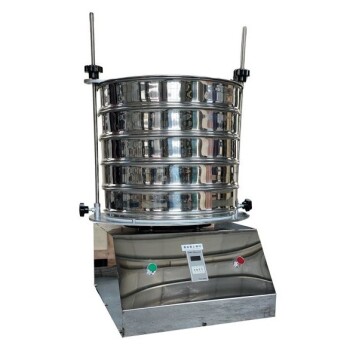
- Laboratory Test Sieves and Sieving Machines
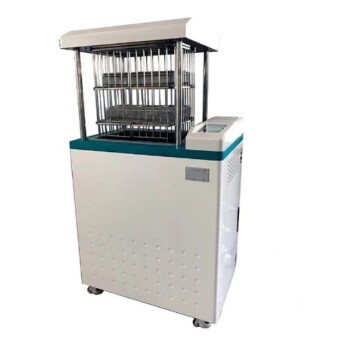
- Laboratory Sterilizer Lab Autoclave Pulse Vacuum Lifting Sterilizer
- HFCVD Machine System Equipment for Drawing Die Nano-Diamond Coating
- Laboratory Sterilizer Lab Autoclave Vertical Pressure Steam Sterilizer for Liquid Crystal Display Automatic Type
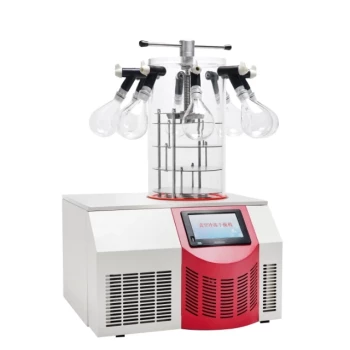
- Benchtop Laboratory Freeze Dryer for Lab Use
People Also Ask
- What are the advantages of the sieve method? Achieve Fast, Reliable Particle Size Analysis
- What type of materials can be separated using the method of sieving? A Guide to Efficient Particle Size Separation
- How do you use a sieve shaker? Master Particle Size Analysis for Quality Control
- What are the steps in sieving method? A Guide to Accurate Particle Size Separation
- Which equipment is operated for sieves when perform sieving tests? Achieve Accurate Particle Size Analysis