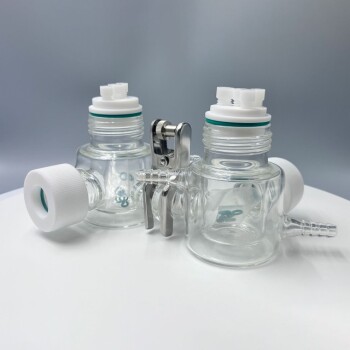
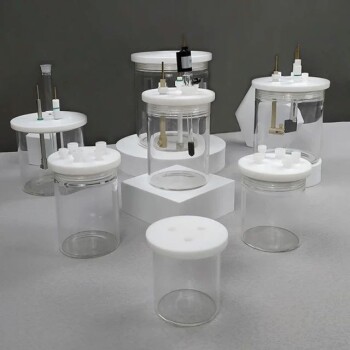
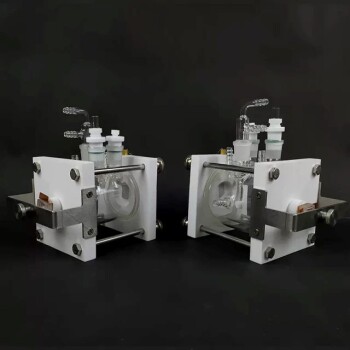
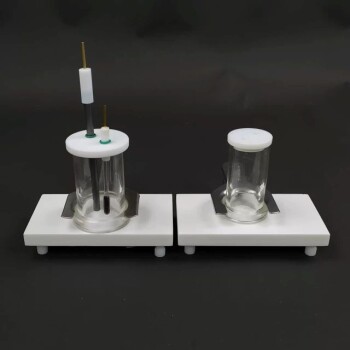
Electrochemical catalysis equipment offers a streamlined solution for marine fuel production by enabling the direct, one-step conversion of carbon dioxide into liquid fuels or syngas within a seawater environment. This technology bypasses the complexity of traditional methods, offering a simplified structure and the ability to operate under significantly less demanding physical conditions.
The core advantage lies in replacing complex, multi-step thermochemical processes with a single-step electrochemical reaction, resulting in higher system integration and milder operational requirements.
The Shift to Direct Conversion
Achieving One-Step Synthesis
The primary innovation of this equipment is the ability to perform a one-step electrochemical reaction.
Unlike conventional methods that require multiple stages to transform raw materials into usable energy carriers, this technology converts carbon dioxide directly into liquid fuels or syngas. This reduces the logistical burden of the chemical process.
High System Integration
Because the reaction occurs directly within the seawater environment, the equipment allows for a much higher degree of system integration.
This consolidation eliminates the need for extensive subsystem isolation. It allows the seawater to act as both the medium and the resource source simultaneously.
Operational and Structural Benefits
Simplified System Structure
By removing the intermediate steps associated with traditional processing, the overall system structure is drastically simplified.
Fewer steps mean fewer components are required to manage the chemical transformation. This reduction in hardware complexity can lead to more compact and manageable equipment footprints.
Milder Physical Conditions
Traditional energy conversion often dictates harsh operational environments involving high temperatures or pressures.
Electrochemical catalysis equipment has the potential to achieve conversion under milder physical conditions. This shift reduces the energy penalty typically paid just to maintain the reaction environment.
Understanding the Trade-offs
Thermochemical vs. Electrochemical
To understand the value of this equipment, you must compare it to traditional multi-step thermochemical processes.
Thermochemical methods are the established standard but inherently require complex, segregated stages to drive reactions. While electrochemical catalysis simplifies this into a single step, it represents a fundamental shift in how the reaction is driven (electricity vs. heat).
The advantage of simplicity comes from moving away from these thermally intensive, multi-stage architectures. However, this relies entirely on the effectiveness of the electrochemical integration within the seawater medium.
Making the Right Choice for Your Goal
When evaluating fuel synthesis technologies for marine environments, consider your specific operational priorities:
- If your primary focus is system footprint and complexity: Prioritize this technology for its simplified structure and ability to integrate directly into the seawater environment.
- If your primary focus is operational overhead: Leverage this equipment to reduce the need for extreme heat or pressure, capitalizing on its potential for milder physical conditions.
This technology represents a move toward integrated, low-intensity fuel synthesis directly at the source.
Summary Table:
| Feature | Traditional Thermochemical Process | Electrochemical Catalysis Equipment |
|---|---|---|
| Process Stages | Multi-step (Complex) | One-step (Direct Conversion) |
| Operating Conditions | High Temperature & Pressure | Milder Physical Conditions |
| System Complexity | High (Multiple Subsystems) | Low (Highly Integrated) |
| Medium | Often Requires Pure Feedstock | Direct Seawater Integration |
| Footprint | Large & Extensive | Compact & Simplified |
Revolutionize Your Marine Fuel Research with KINTEK
Transitioning from complex thermochemical processes to efficient electrochemical synthesis requires precision-engineered tools. KINTEK specializes in providing advanced laboratory equipment, including high-performance electrolytic cells and electrodes, high-pressure reactors, and specialized battery research tools designed to withstand the rigors of seawater catalysis and fuel development.
Whether you are refining your system's integration or optimizing for milder reaction conditions, our comprehensive range of high-temperature furnaces and crushing systems ensures your materials are prepared to the highest standards. Contact KINTEK today to discover how our specialized laboratory solutions can accelerate your sustainable energy breakthroughs.
References
- Michael B. Ross. Carbon Dioxide Recycling Makes Waves. DOI: 10.1016/j.joule.2019.07.019
This article is also based on technical information from Kintek Solution Knowledge Base .
Related Products
- Lab Electrochemical Workstation Potentiostat for Laboratory Use
- Rotating Platinum Disk Electrode for Electrochemical Applications
- Multifunctional Electrolytic Electrochemical Cell Water Bath Single Layer Double Layer
- Thin-Layer Spectral Electrolysis Electrochemical Cell
- Glassy Carbon Electrochemical Electrode
People Also Ask
- How does an electrochemical workstation assist in assessing corrosion resistance? Quantify Laser-Remelted Steel Performance
- How does an electrochemical testing system evaluate mesoporous oxide electrodes? Precision Analysis for Battery Research
- What are the primary functions of an electrochemical workstation (Potentiostat)? Expert Titanium Alloy Corrosion Analysis
- What is the primary function of a high-precision electrochemical workstation? Optimize Your Reactor Performance
- What role do electrochemical workstations play in researching the corrosion resistance of carbon coatings? Expert Guide