The primary advantages of an Ir-Ta (Iridium-Tantalum) metal oxide coating are its ability to significantly extend electrode lifespan while simultaneously boosting the rate of pollutant degradation. This coating provides a unique combination of high oxygen evolution potential and exceptional stability against acid corrosion. By shielding the underlying titanium substrate and providing numerous active reaction sites, it enables the efficient breakdown of recalcitrant organic compounds.
The Ir-Ta coating serves a critical dual function: it acts as a robust protective barrier to prevent electrode failure in harsh environments and operates as a high-performance catalyst to accelerate the mineralization of complex pollutants.
Enhancing Electrode Durability and Longevity
Superior Corrosion Resistance
One of the defining characteristics of the Ir-Ta metal oxide coating is its excellent stability against acid corrosion. This resistance is vital for maintaining structural integrity during aggressive electrochemical processes.
Protection of the Substrate
The coating acts as an inert material that effectively shields the titanium substrate. By preventing direct exposure to corrosive elements, the coating significantly extends the service life of the electrode.
Maximizing Electrochemical Efficiency
High Oxygen Evolution Potential
To drive oxidation effectively, an electrode requires a high oxygen evolution potential. The Ir-Ta coating provides this specific electrochemical property, which is essential for generating the conditions necessary to break down target substances.
Increasing Active Reaction Sites
Efficiency in electrochemical oxidation is often limited by the surface area available for reactions. This coating solves that issue by providing numerous active reaction sites, allowing for more simultaneous chemical interactions.
Application in Pollutant Degradation
Breaking Down Recalcitrant Organics
The combination of active sites and high potential makes this coating particularly effective against recalcitrant (hard-to-degrade) organic pollutants. It facilitates the efficient electrochemical reactions needed to dismantle complex molecular structures.
Improving Mineralization Rates
The coating does not just break down pollutants; it enhances the mineralization degree. This is evidenced by its ability to accelerate the degradation rate of specific persistent compounds, such as oxytetracycline.
Understanding the Critical Role of Coating Integrity
Reliance on the Protective Barrier
While the titanium substrate provides the structural form, it is not chemically robust enough to survive the process alone. The system relies entirely on the continuous integrity of the Ir-Ta coating to prevent substrate failure.
Specificity to Acidic Environments
The reference highlights the coating's stability specifically against acid corrosion. This suggests the coating is engineered to perform best in aggressive, low-pH environments where other materials might degrade rapidly.
Making the Right Choice for Your Goal
To determine if an Ir-Ta metal oxide coating is the correct solution for your specific application, consider your primary operational objectives:
- If your primary focus is extending equipment lifespan: Select this coating for processes involving acidic environments to ensure the titanium substrate remains protected from corrosion.
- If your primary focus is treatment performance: Utilize this coating when targeting recalcitrant pollutants like oxytetracycline to maximize the degradation rate and mineralization degree.
By leveraging the dual benefits of protection and catalysis, Ir-Ta coatings offer a definitive solution for high-stress electrochemical oxidation tasks.
Summary Table:
| Feature | Key Benefit | Impact on Performance |
|---|---|---|
| Acid Resistance | High stability against corrosive environments | Significantly extends electrode service life |
| High Oxygen Potential | Facilitates powerful oxidation reactions | Efficient breakdown of recalcitrant organics |
| Active Sites | Increased surface area for chemical interaction | Faster degradation and mineralization rates |
| Substrate Shielding | Protects underlying titanium substrate | Prevents premature electrode failure |
| Catalytic Action | Accelerated pollutant mineralization | Higher treatment efficiency for complex waste |
Elevate Your Electrochemical Processes with KINTEK
Are you struggling with electrode degradation or inefficient pollutant removal? KINTEK specializes in high-performance laboratory solutions, including advanced electrolytic cells and electrodes engineered for the most demanding environments.
Our Ir-Ta coated electrodes provide the durability and catalytic power needed to tackle recalcitrant organics and aggressive acidic conditions. Beyond electrodes, KINTEK offers a comprehensive range of high-temperature furnaces, crushing and milling systems, and precision hydraulic presses to support every stage of your material research and chemical processing.
Partner with KINTEK for:
- Superior material longevity and reduced operational downtime.
- Expertly engineered consumables including PTFE products and ceramics.
- Cutting-edge laboratory equipment tailored to your specific research goals.
Contact KINTEK today to optimize your lab's efficiency!
References
- Yinghao Zhang, Rui Zhao. Study on the Electrochemical Removal Mechanism of Oxytetracycline by a Ti/IrO2-Ta2O5 Plate. DOI: 10.3390/ijerph18041708
This article is also based on technical information from Kintek Solution Knowledge Base .
Related Products
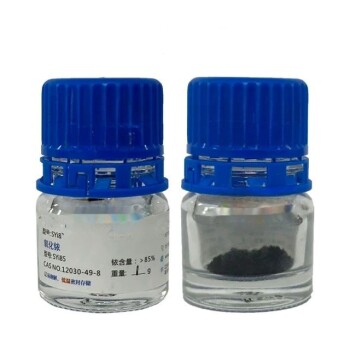
- Iridium Dioxide IrO2 for Water Electrolysis
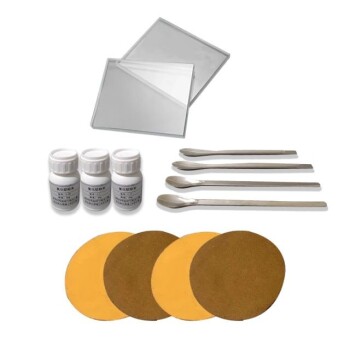
- Electrode Polishing Material for Electrochemical Experiments
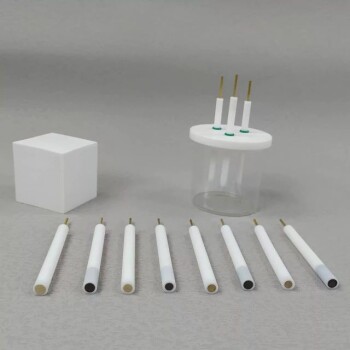
- Metal Disc Electrode Electrochemical Electrode
People Also Ask
- What advantages does supercritical fluid technology provide for Iridium catalysts? Achieve Precision Nano-Synthesis
- What are the different types of catalysts used in pyrolysis? A Guide to Optimizing Biomass Conversion
- How does catalyst work in pyrolysis? A Guide to Efficient and Selective Fuel Production
- Which catalyst is used in pyrolysis process? Choosing the Right Catalyst for Your Feedstock
- What is the best catalyst for pyrolysis? A Strategic Guide to Maximizing Bio-Oil Quality and Yield