Refractory materials serve as the critical interface between extreme process conditions and structural equipment. Composed of minerals, binders, and additives, their primary function is to provide thermal insulation that shields reactor shells from intense heat. Simultaneously, they protect against chemical corrosion from molten slag and physical wear caused by high-velocity fluids.
By acting as a multi-functional barrier, refractory materials not only extend the service life of furnace linings but also serve as the key factor in optimizing the thermal efficiency of the entire operation.
The Critical Roles of Refractories
To understand the selection of minerals and binders, you must first understand the three specific defensive roles these materials play in a reactor.
Thermal Insulation and Efficiency
The most immediate function of a refractory lining is thermal insulation.
High-temperature pyrometallurgical processes generate immense heat that would compromise the structural integrity of the reactor shell without protection.
By containing this heat, refractories ensure the outer shell remains cool enough to maintain its strength, while simultaneously keeping thermal energy inside the melt to optimize efficiency.
Chemical Defense Against Corrosion
Inside the reactor, the lining faces constant chemical attack.
Refractories must resist chemical corrosion caused by contact with high-temperature melts and aggressive slag.
The minerals and additives selected for the refractory mix are specifically chosen to remain inert or resistant to these corrosive byproducts, preventing the lining from dissolving into the melt.
Physical Durability Under Stress
Beyond heat and chemistry, the physical environment inside a furnace is hostile.
Refractory materials are engineered to withstand physical wear resulting from high-velocity fluids and turbulent movement within the reactor.
A robust binder matrix is essential here to hold the minerals together against the abrasive force of moving liquids and gases.
Understanding the Trade-offs
While the goal is to maximize protection across all areas, achieving perfect performance in every category is rarely possible.
Balancing Insulation vs. Durability
Materials that offer the highest degree of thermal insulation are often more porous, which can make them less resistant to physical wear and chemical penetration.
Conversely, dense materials designed to resist high-velocity fluids and slag intrusion often have higher thermal conductivity, offering less insulation to the shell.
Operators must often prioritize which form of degradation—thermal, chemical, or physical—poses the greatest risk to their specific reactor.
Making the Right Choice for Your Goal
Selecting the right refractory composition requires aligning material properties with your specific operational constraints.
- If your primary focus is Equipment Longevity: Prioritize materials with high resistance to chemical corrosion and physical wear to prevent rapid lining degradation.
- If your primary focus is Energy Economics: Prioritize materials with superior thermal insulation properties to retain heat within the process and reduce fuel consumption.
Ultimately, the correct refractory strategy balances shell protection with process efficiency to ensure continuous, safe, and cost-effective operation.
Summary Table:
| Function | Primary Benefit | Key Mechanism |
|---|---|---|
| Thermal Insulation | Protects reactor shells & saves energy | Contains intense heat within the melt |
| Chemical Defense | Resists slag and melt corrosion | Inert mineral/additive selection |
| Physical Durability | Prevents erosion from high-velocity fluids | High-strength binder matrices |
| Structural Support | Extends equipment service life | Acts as a barrier between process and shell |
Elevate Your Lab's Thermal Performance with KINTEK
Optimizing high-temperature processes requires the perfect balance of insulation and durability. KINTEK specializes in advanced laboratory equipment and consumables, providing researchers and engineers with the high-performance tools needed for demanding pyrometallurgical and material science applications.
Our extensive portfolio includes:
- High-Temperature Furnaces: Muffle, tube, vacuum, and atmosphere furnaces designed for precise thermal control.
- Crucibles & Ceramics: High-purity refractory consumables that withstand chemical corrosion and physical wear.
- Sieving & Milling Systems: Essential tools for preparing refractory minerals and powders.
- High-Pressure Solutions: Reactors, autoclaves, and hydraulic presses for advanced material synthesis.
Whether you are refining battery research or testing industrial furnace linings, KINTEK offers the expertise and high-quality products to ensure your operations are safe and efficient. Contact KINTEK today to find the right solutions for your laboratory!
References
- Camille Fléuriault, Jesse F. White. Refractory Materials for Metallurgical Uses. DOI: 10.1007/s11837-018-3096-5
This article is also based on technical information from Kintek Solution Knowledge Base .
Related Products
- Non Consumable Vacuum Arc Induction Melting Furnace
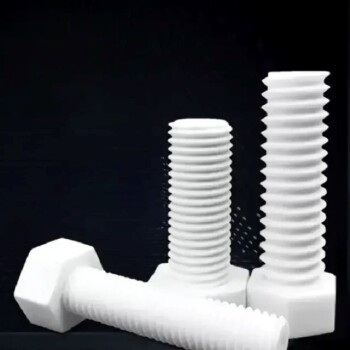
- High Quality Alumina Ceramic Screw for Engineering Advanced Fine Ceramics with High Temperature Resistance and Insulation
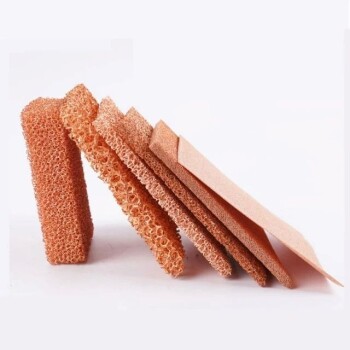
- Copper Foam
- Conductive Carbon Cloth Carbon Paper Carbon Felt for Electrodes and Batteries
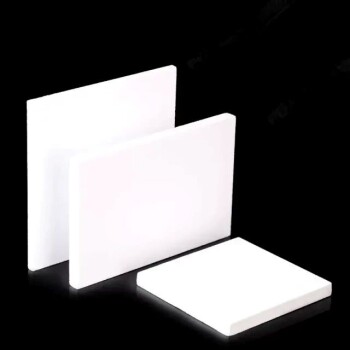
- High Temperature Wear-Resistant Alumina Al2O3 Plate for Engineering Advanced Fine Ceramics
People Also Ask
- What is the use of induction melting furnace? Achieve Fast, Clean, and Precise Metal Melting
- What are the advantages of induction melting furnace? Achieve Purity, Efficiency, and Safety
- What is the temperature range of the induction melting furnace? Find the Right Heat for Your Metals
- How do specialized industrial-grade small melting furnaces address challenges in precision jewelry casting? Expert Guide
- How do vacuum induction or arc melting furnaces facilitate the synthesis of U-Al-C MAX phases? Precision Heat & Purity