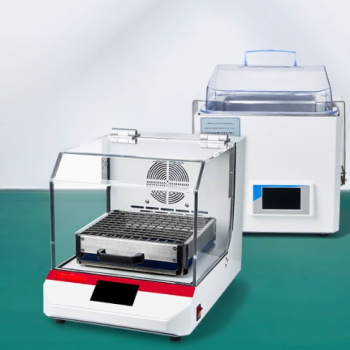
Bioleaching enargite with thermophilic microorganisms requires specialized equipment designed to maintain precise temperatures between 65°C and 75°C while withstanding an aggressive chemical environment. Specifically, you must use high-temperature biochemical incubators or corrosion-resistant reactors built with acid-resistant materials like Polytetrafluoroethylene (PTFE) or specialized alloys to survive media with a pH of 1.6–1.8.
The core challenge in this process is balancing high thermal demands with extreme chemical resistance. Your equipment must deliver high-precision heat control (65–75°C) without suffering structural degradation from the strong acidic conditions (pH < 2.0).
Critical Thermal Control Standards
Defining the Temperature Range
Thermophilic microorganisms used in this process thrive in specific high-heat windows. Your incubation system must be capable of reaching and maintaining a baseline range of 65°C to 75°C.
The Need for Precision
High temperatures alone are insufficient; stability is paramount. The equipment, such as high-temperature biochemical incubators, must offer excellent thermal stability.
Control Systems
To support optimal microbial activity, the equipment must feature high temperature control precision. Fluctuations outside the target range can inhibit bioleaching efficiency or stall microbial growth.
Material Durability and Chemical Resistance
The Acidity Challenge
Bioleaching environments are inherently corrosive. The process typically utilizes strong acidic media with a pH between 1.6 and 1.8.
Protection of Internal Components
Standard laboratory equipment often fails under these conditions. Both the internal components and the containment vessels must be manufactured from materials specifically rated for acid resistance.
Recommended Materials
To prevent equipment failure and sample contamination, rely on specialized alloys or Polytetrafluoroethylene (PTFE). These materials are chemically inert enough to withstand prolonged exposure to the leaching solution.
Common Pitfalls to Avoid
Overlooking Corrosion Risks
A common mistake is utilizing standard stainless steel or lower-grade plastics for the reactor vessel. Given the pH of 1.6–1.8, materials that are not explicitly "acid-resistant" will degrade rapidly, ruining the equipment and contaminating the experiment.
Inadequate Thermal Stability
Standard incubators designed for mesophiles (20–40°C) often lack the insulation or heating elements required for precision at 75°C. Using general-purpose equipment can lead to temperature drifts that destabilize the thermophilic culture.
Making the Right Choice for Your Goal
Select your equipment based on the specific constraints of your bioleaching project.
- If your primary focus is process consistency: Prioritize high-temperature biochemical incubators with advanced PID controllers to ensure the environment stays strictly within the 65°C–75°C window.
- If your primary focus is equipment longevity: Invest heavily in reactors lined with PTFE or constructed from specialized alloys to negate the corrosive effects of the pH 1.6 media.
By securing equipment that combines high-precision heating with industrial-grade acid resistance, you ensure a stable foundation for effective enargite bioleaching.
Summary Table:
| Requirement Category | Specification Detail | Recommended Material/Solution |
|---|---|---|
| Temperature Range | 65°C to 75°C | High-temperature biochemical incubators |
| Thermal Precision | High stability / Low drift | Advanced PID controllers |
| Chemical Resistance | pH 1.6 – 1.8 (Highly Acidic) | PTFE (Polytetrafluoroethylene) or Specialized Alloys |
| Environment | Corrosive bioleaching media | Corrosion-resistant reactors & inert vessels |
Elevate Your Bioleaching Research with KINTEK
Don't let equipment corrosion or temperature fluctuations compromise your enargite bioleaching experiments. KINTEK specializes in providing the high-precision laboratory tools required for extreme environments. From acid-resistant PTFE-lined reactors and autoclaves to advanced high-temperature furnaces and biochemical incubators, we ensure your setup withstands pH levels as low as 1.6 and temperatures up to 75°C and beyond.
Our Expertise Includes:
- Corrosion-Resistant Hardware: Specialized PTFE products and ceramics for aggressive media.
- Thermal Precision: Reliable high-temperature solutions for thermophilic microbial growth.
- Comprehensive Lab Range: Crushing, milling, and hydraulic presses for sample preparation.
Ready to build a more durable and precise lab environment? Contact our technical experts today for a tailored solution that meets your specific research demands!
References
- José Díaz, Eduardo Leiva. Bioleaching of Arsenic-Bearing Copper Ores. DOI: 10.3390/min8050215
This article is also based on technical information from Kintek Solution Knowledge Base .
Related Products
People Also Ask
- What physical conditions does a shaking incubator provide for bioethanol fermentation? Optimize Yeast Productivity
- Why is the mechanical agitation provided by a shaking incubator necessary for the enzymatic hydrolysis of biomass?
- What critical reaction conditions does a shaking incubator provide? Optimize Cassava Cellulose Enzymatic Hydrolysis
- What are the primary functions of a shaking incubator? Optimize Biomass Fenton Pretreatment Efficiency
- What function does a laboratory shaking incubator serve for halophilic archaea? Optimize Your Seed Cultivation Today