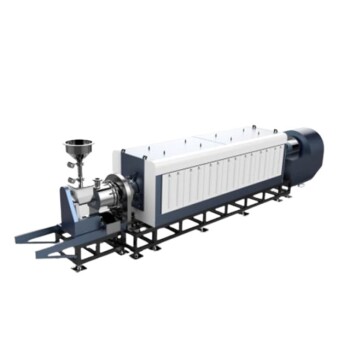
In a high-temperature biomass reactor, the stainless steel vessel functions as the structural core capable of withstanding extreme environmental stress, while the insulation layer acts as a critical thermal barrier. Together, they manage the delicate balance between containing a volatile reaction and maintaining the energy efficiency required for operation.
The stainless steel vessel provides the mechanical integrity and corrosion resistance necessary to survive acidic vapors and temperatures up to 600°C, while the insulation layer is essential for preventing heat loss and ensuring stable internal temperature distribution.
The Role of the Stainless Steel Vessel
The vessel is the primary body of the reactor, designed to endure the harsh physical and chemical conditions created during biomass processing.
Mechanical Strength at High Temperatures
The reactor must operate at temperatures rising up to 600°C. The stainless steel vessel provides the necessary mechanical strength to maintain structural integrity without warping or failing under this intense thermal load.
Resistance to Chemical Attack
During processes like pyrolysis, biomass breaks down into various byproducts, including acidic vapors. The stainless steel material offers specific corrosion resistance to prevent these vapors from degrading the reactor walls over time.
The Role of the Insulation Layer
Surrounding the exterior of the vessel, the insulation layer is not merely a protective cover but an active component in thermal management.
Maximizing Energy Efficiency
The primary function of the insulation is to minimize heat loss to the surrounding environment. By trapping thermal energy within the vessel, the insulation significantly improves the energy efficiency of the heating system, reducing the power required to maintain operating temperatures.
Ensuring Process Stability
Consistent heat is vital for predictable chemical reactions. The insulation ensures a stable internal temperature distribution, preventing cold spots that could alter the reaction quality or yield.
Understanding Operational Risks
While these components work together, neglecting the specification of either leads to distinct operational failures.
The Risk of Thermal Instability
If the insulation layer is inadequate, the heating system must work harder to compensate for rapid heat loss. This not only increases energy costs but can lead to fluctuating internal temperatures, which compromises the quality of the biomass conversion.
The Threat of Material Degradation
Using a vessel material that lacks the specific corrosion resistance of stainless steel allows acidic vapors to compromise the reactor's containment. Over time, this chemical attack weakens the vessel's ability to hold pressure and heat, posing a significant safety hazard.
Making the Right Choice for Your Project
When designing or selecting a high-temperature biomass reactor, prioritize materials based on your specific operational constraints.
- If your primary focus is longevity and safety: Ensure the vessel is constructed from high-grade stainless steel to withstand long-term exposure to acidic vapors and 600°C heat.
- If your primary focus is operational consistency and cost: Invest in a superior insulation layer to guarantee stable temperature distribution and maximize the efficiency of your heating system.
The synergy between a robust, corrosion-resistant vessel and effective insulation is the key to a safe and efficient reactor.
Summary Table:
| Component | Primary Function | Key Benefit |
|---|---|---|
| Stainless Steel Vessel | Structural containment & corrosion resistance | Prevents degradation from acidic vapors up to 600°C |
| Insulation Layer | Thermal barrier & heat retention | Maximizes energy efficiency and ensures stable temperature distribution |
| Synergy | Balanced reactor environment | Maintains safety while optimizing chemical reaction yields |
Optimize Your Biomass Research with KINTEK
Achieving precise biomass conversion requires equipment that can withstand extreme thermal and chemical stress. KINTEK specializes in high-performance laboratory solutions, offering a comprehensive range of high-temperature high-pressure reactors and autoclaves designed with premium stainless steel and superior insulation for maximum safety and efficiency.
Whether you are scaling up pyrolysis or refining chemical yields, our expertise in thermal management—from muffle furnaces and vacuum systems to specialized corrosion-resistant vessels—ensures your lab maintains the highest standards of operational consistency.
Ready to elevate your reactor performance? Contact our technical experts today to find the perfect equipment for your research goals.
References
- Tutuk Djoko Kusworo, Dani Puji Utomo. Bio-oil and Fuel Gas Production from Agricultural Waste via Pyrolysis: A Comparative Study of Oil Palm Empty Fruit Bunches (OPEFB) and Rice Husk. DOI: 10.3311/ppch.14553
This article is also based on technical information from Kintek Solution Knowledge Base .
Related Products
- Stainless High Pressure Autoclave Reactor Laboratory Pressure Reactor
- Customizable Laboratory High Temperature High Pressure Reactors for Diverse Scientific Applications
- Customizable High Pressure Reactors for Advanced Scientific and Industrial Applications
- Mini SS High Pressure Autoclave Reactor for Laboratory Use
- Electric Rotary Kiln Small Rotary Furnace Biomass Pyrolysis Plant
People Also Ask
- Why is a laboratory high-pressure reactor used in the hydrothermal synthesis of hydroxyapatite catalysts?
- Why is a laboratory high-pressure reactor necessary for synthesizing fly ash-based zeolite? Achieve Pure Crystallization
- What role does a laboratory high-pressure reactor play in the leaching process of spent cathode materials? Optimize Recovery
- What conditions do laboratory high-pressure reactors provide for HTC? Optimize Your Biochar Production Processes
- How are high-pressure reactors used to prepare metaphosphate electrocatalysts? Master In-Situ Precursor Growth