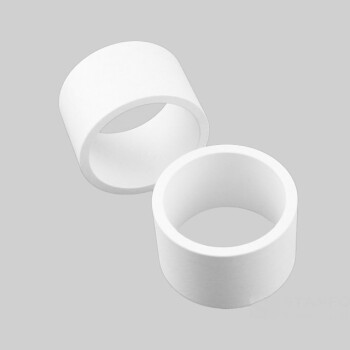
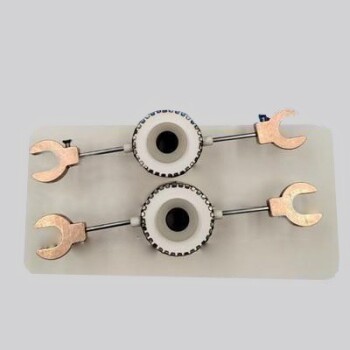
The primary function of a ceramic liner is to act as an inert isolation barrier between the stainless steel reactor walls and the high-temperature steam environment. This isolation prevents the metallic reactor vessel from reacting with the steam, which is essential for maintaining a stable and constant oxygen partial pressure throughout the experiment.
The ceramic liner eliminates the "container effect" in oxidation testing. By ensuring the reactor walls do not participate in the chemical reaction, you guarantee that the experimental data reflects only the behavior of the material being tested, not the test rig itself.
Why Isolation is Critical
The Reactivity of Stainless Steel
Although stainless steel is corrosion-resistant, it is not chemically inert at the elevated temperatures required for steam oxidation testing.
Without a liner, the reactor walls themselves would react with the high-temperature steam. This unwanted oxidation introduces a secondary chemical reaction into your system.
The Threat to Oxygen Partial Pressure
When the reactor walls oxidize, they alter the chemical composition of the steam environment.
This reaction consumes oxygen or releases hydrogen, causing fluctuations in the oxygen partial pressure. In oxidation testing, keeping this pressure constant is the fundamental requirement for valid data.
How the Liner Enhances Accuracy
Creating a Controlled Environment
The ceramic liner effectively isolates the metallic shell. This ensures that the steam environment interacts exclusively with the test specimen.
Because the ceramic is chemically stable, it does not scavenge oxygen from the steam.
Improving Data Reliability
Reliable assessments of advanced steels and nickel-based alloys depend on precise environmental controls.
By stabilizing the oxygen partial pressure, the liner ensures that the measured oxidation rates and kinetic data are accurate. It removes the reactor's wall material as a confounding variable.
Understanding the Trade-offs
Mechanical Fragility
While chemically superior for this application, ceramic liners lack the ductility of stainless steel.
They are susceptible to thermal shock. Rapid heating or cooling cycles can cause the liner to crack, potentially exposing the metal walls or particulate contamination to the test zone.
Thermal Conductivity Differences
Ceramics generally have different thermal conductivity properties compared to metals.
This can create thermal gradients within the reactor if not properly managed, potentially leading to slight temperature variations across the test zone compared to a purely metallic assembly.
Making the Right Choice for Your Goal
To ensure the integrity of your high-temperature oxidation tests, consider how the liner aligns with your specific objectives:
- If your primary focus is data precision: You must use a ceramic liner to ensure that oxygen partial pressure remains constant and uninfluenced by the reactor walls.
- If your primary focus is testing reactive advanced alloys: The liner is essential to prevent environmental contamination that could skew the assessment of the alloy's oxidation behavior.
Using a ceramic liner converts a standard pressure vessel into a precision scientific instrument capable of delivering reproducible results.
Summary Table:
| Feature | Ceramic Liner Function | Impact on Research Accuracy |
|---|---|---|
| Chemical Stability | Acts as an inert barrier | Prevents reactor wall oxidation and contamination |
| Oxygen Control | Maintains constant partial pressure | Ensures stable and reproducible experimental environments |
| Data Integrity | Eliminates 'container effect' | Guarantees results reflect only the specimen behavior |
| Material Safety | Isolates stainless steel walls | Protects metallic vessel from corrosive steam damage |
Elevate Your Material Research with KINTEK Precision Engineering
Don’t let the 'container effect' compromise your experimental data. KINTEK specializes in advanced laboratory solutions, providing the high-performance high-temperature high-pressure reactors and autoclaves required for critical oxidation testing.
Our comprehensive portfolio—ranging from custom ceramic liners and crucibles to state-of-the-art muffle and vacuum furnaces—is designed to meet the rigorous demands of material science and battery research. Whether you need reliable PTFE products, crushing systems, or cooling solutions, our experts are ready to equip your lab with tools that deliver accuracy and durability.
Ready to optimize your testing environment? Contact KINTEK today to discuss your specific laboratory needs!
References
- T. Dudziak, Grzegorz Bruzda. Phase Investigations Under Steam Oxidation Process at 800 °C for 1000 h of Advanced Steels and Ni-Based Alloys. DOI: 10.1007/s11085-016-9662-8
This article is also based on technical information from Kintek Solution Knowledge Base .
Related Products
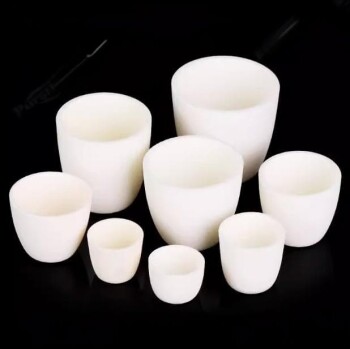
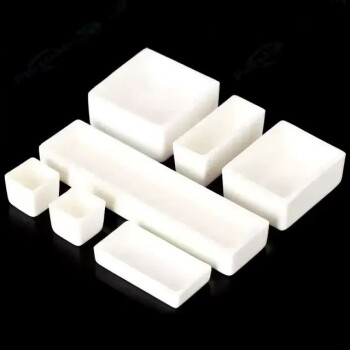
- Arc-Shaped Alumina Ceramic Crucible High Temperature Resistant for Engineering Advanced Fine Ceramics
- High Temperature Alumina (Al2O3) Furnace Tube for Engineering Advanced Fine Ceramics
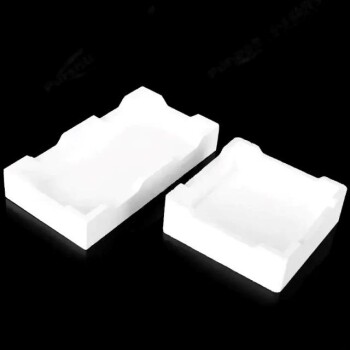
- Advanced Engineering Fine Ceramics Alumina Ceramic Saggar for Fine Corundum
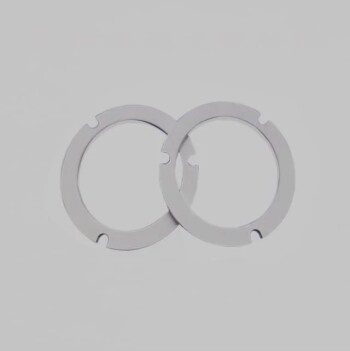
- Engineering Advanced Fine Ceramics Aluminium Oxide Al2O3 Ceramic Washer for Wear-Resistant Applications
- Engineering Advanced Fine Ceramics Alumina Crucibles (Al2O3) for Thermal Analysis TGA DTA
People Also Ask
- Why Use Alumina Crucibles & Powder Burial for NaSICON? Ensure Phase Purity and Prevent Elemental Volatilization
- What is the primary purpose of using alumina crucibles for LLTO ceramics? Optimize Your High-Temperature Sintering
- Why are alumina crucibles and mother powder essential for LATP sintering? Optimize Your Solid Electrolyte Performance
- Why are high-purity alumina crucibles used for liquid lead corrosion experiments? Ensure Data Accuracy at 550°C
- Primary considerations for choosing alumina crucibles and quartz tubes in indium intercalation: Ensure Material Purity