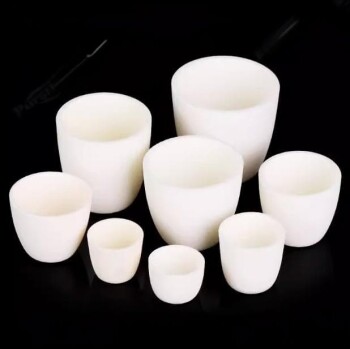
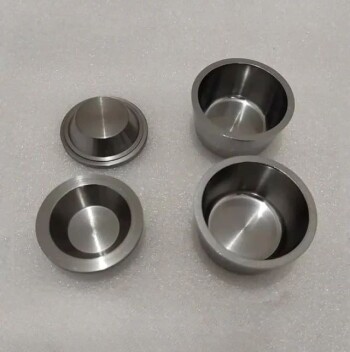
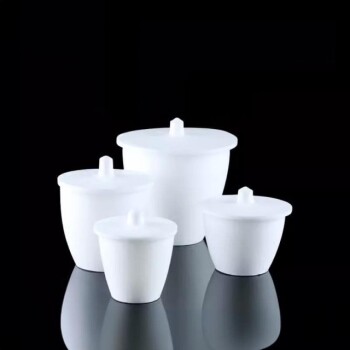
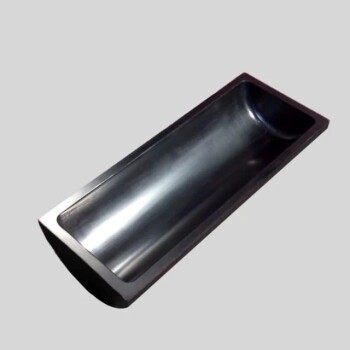
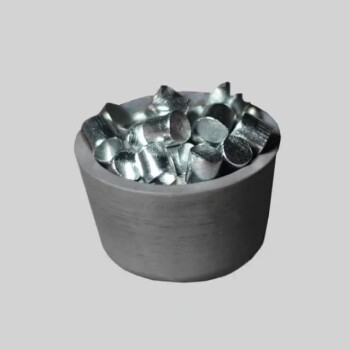
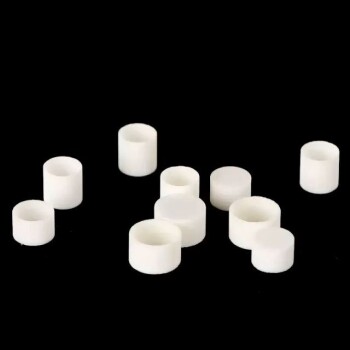
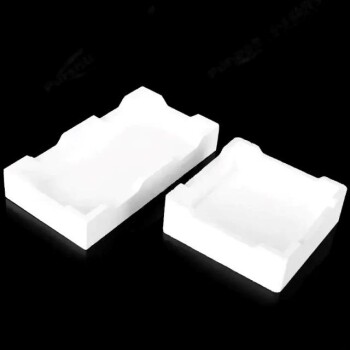
The high-temperature crucible functions as the primary reaction vessel responsible for securely containing the mixture of NaCl-KCl salts, diamond particles, and chromium powder. It provides a stable environment capable of withstanding temperatures of 900°C under an argon atmosphere without chemically reacting with the contents.
The crucible is the foundational component that ensures the successful formation of a uniform and dense chromium carbide (Cr-C) transition layer by maintaining exceptional thermal stability and chemical inertness.
The Core Operational Environment
Managing the Reaction Components
The crucible acts as the physical container for the specific chemical recipe required for plating.
It must securely hold the NaCl-KCl salt mixture, the diamond particles, and the chromium powder throughout the process.
Withstanding Extreme Thermal Loads
The plating process demands an operating temperature of 900°C.
The crucible is required to maintain structural integrity and exceptional thermal stability at this extreme heat to prevent containment failure.
Facilitating the Chemical Bond
Enabling the Transition Layer
The primary objective of the process is the modification of the diamond surface.
By providing a stable, non-reactive environment, the crucible facilitates the formation of a uniform and dense chromium carbide (Cr-C) transition layer on the diamond particles.
Supporting Controlled Atmospheres
This high-temperature reaction must occur under an argon atmosphere.
The crucible operates within this protective environment to ensure that the plating process proceeds without interference from external atmospheric gases.
Understanding the Critical Requirements
The Importance of Chemical Inertness
The crucible must remain chemically inert throughout the heating cycle.
If the crucible material interacts with the salt mixture or chromium, it could compromise the purity of the reaction.
Risks of Material Failure
The requirements for the crucible are non-negotiable.
Failure to maintain stability at 900°C leads not only to physical leaks but to the failure of the Cr-C layer formation, rendering the plating process ineffective.
Making the Right Choice for Your Goal
To ensure the success of the salt bath chromium plating process, prioritize the following attributes:
- If your primary focus is coating quality: Ensure the crucible material is verified for absolute chemical inertness to guarantee a uniform and dense Cr-C layer.
- If your primary focus is operational reliability: Confirm the vessel typically exceeds the 900°C thermal stability requirement to prevent structural degradation during the reaction.
A high-quality crucible is the silent guardian of the chemical reaction that strengthens the diamond.
Summary Table:
| Feature | Requirement/Value | Function in Plating Process |
|---|---|---|
| Operating Temp | 900°C | Maintains structural integrity under extreme heat |
| Chemical Property | High Inertness | Prevents reaction with NaCl-KCl salts or Cr powder |
| Atmosphere | Argon Compatible | Supports protective environment for stable Cr-C layer |
| Reaction Vessel | High-Temp Crucible | Securely contains diamonds, salts, and chromium powder |
| Primary Goal | Uniform Cr-C Layer | Facilitates dense carbide transition on diamond surfaces |
Elevate Your Advanced Material Research with KINTEK
Success in high-temperature chemical reactions like diamond chromium plating depends on the quality of your containment. KINTEK specializes in premium laboratory equipment, providing high-performance high-temperature crucibles, atmosphere-controlled muffle and vacuum furnaces, and essential ceramics designed to withstand 900°C and beyond.
Whether you are developing super-abrasives or specialized coatings, our expertise in high-temperature high-pressure reactors and high-purity consumables ensures your lab achieves uniform results every time. Contact KINTEK today for a customized quote and let us help you optimize your material science workflows.
Related Products
- Arc-Shaped Alumina Ceramic Crucible High Temperature Resistant for Engineering Advanced Fine Ceramics
- High Purity Pure Graphite Crucible for Evaporation
- Electron Beam Evaporation Coating Tungsten Crucible and Molybdenum Crucible for High Temperature Applications
- Custom Machined and Molded PTFE Teflon Parts Manufacturer with PTFE Crucible and Lid
- Carbon Graphite Boat -Laboratory Tube Furnace with Cover
People Also Ask
- Why Use Alumina Crucibles & Powder Burial for NaSICON? Ensure Phase Purity and Prevent Elemental Volatilization
- What is the primary purpose of using alumina crucibles for LLTO ceramics? Optimize Your High-Temperature Sintering
- Why are alumina crucibles and mother powder essential for LATP sintering? Optimize Your Solid Electrolyte Performance
- Why are high-purity alumina crucibles used for liquid lead corrosion experiments? Ensure Data Accuracy at 550°C
- Primary considerations for choosing alumina crucibles and quartz tubes in indium intercalation: Ensure Material Purity