The primary function of a laboratory filtration system following hydrothermal liquefaction is to achieve precise solid-liquid separation of the reaction products. It mechanically isolates the liquid phase (filtrate), which is rich in reducing sugars, from the solid residue (filter cake), composed primarily of cellulose and lignin.
The filtration step is the pivot point in biomass utilization; it transforms a complex reaction mixture into two distinct, high-value feedstocks ready for separate downstream applications like fermentation and material production.
The Mechanics of Separation
Isolating the Liquid Phase
The immediate goal of the filtration system is to recover the liquid filtrate.
In this specific process, the liquid phase carries high concentrations of reducing sugars.
Capturing this fluid cleanly is essential because these dissolved sugars represent the primary chemical energy yield of the liquefaction process.
Recovering the Solid Residue
Simultaneously, the system retains the solid matter as a "filter cake."
This residue is not waste; it preserves the structural components of the biomass, specifically cellulose and lignin.
Efficient filtration ensures these solids are not lost to the liquid stream, maintaining their mass for material applications.
Enabling Downstream Valorization
Bioethanol Fermentation
Once separated, the liquid phase serves a specific biological purpose.
Because it is rich in reducing sugars, the filtrate can be used directly as a feedstock for bioethanol fermentation.
The clarity and purity of this liquid, achieved through filtration, directly impact the efficiency of the fermentation process.
Material Production
The solid phase unlocks a different value chain entirely.
The recovered cellulose and lignin serve as raw materials for industrial applications, such as paper pulping.
Additionally, these solids can be processed further for the production of high-value polymers, maximizing the economic return of the original biomass.
Critical Considerations for Efficiency
The Importance of Separation Precision
The primary reference highlights the need for "precise" separation.
If the filtration is inefficient, solids may contaminate the liquid phase, potentially inhibiting fermentation organisms.
Conversely, if too much liquid remains in the filter cake, valuable sugars are lost, and the solid processing becomes more energy-intensive due to excess moisture.
Making the Right Choice for Your Goal
To maximize the utility of your hydrothermal liquefaction process, you must align your filtration strategy with your end-product goals.
- If your primary focus is bioethanol production: Ensure your filtration system maximizes the recovery of the liquid filtrate to capture the highest volume of reducing sugars.
- If your primary focus is material science applications: Prioritize a filtration method that yields a clean, high-integrity filter cake to preserve the quality of cellulose and lignin for polymer or paper production.
Effective filtration turns a single waste stream into two value streams.
Summary Table:
| Process Component | Captured Material | Primary Downstream Application |
|---|---|---|
| Liquid Phase (Filtrate) | Reducing Sugars | Bioethanol Fermentation |
| Solid Residue (Filter Cake) | Cellulose & Lignin | Paper Pulping & High-Value Polymers |
| Separation Goal | Precise Isolation | Maximizing Economic Return & Purity |
Elevate Your Biomass Processing with KINTEK Precision
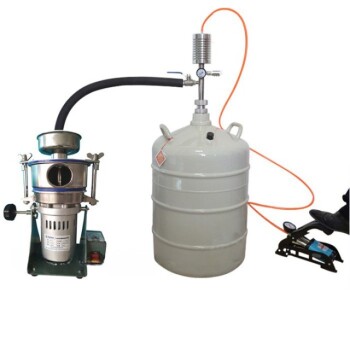
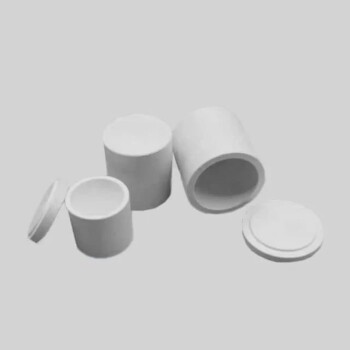
Transition seamlessly from hydrothermal liquefaction to high-value product streams. KINTEK specializes in advanced laboratory equipment designed to meet the rigorous demands of material science and bio-research. Whether you are refining liquid filtrates for fermentation or processing solid residues into polymers, our comprehensive range of crushing and milling systems, high-temperature high-pressure reactors, and PTFE consumables ensures maximum recovery and purity.
Ready to optimize your separation efficiency and scale your research? Contact KINTEK today to find the perfect laboratory filtration and processing solutions for your facility.
References
- İrem Deniz. Marin biyokütlenin hidrotermal sıvılaştırılması: Entegre bir proses. DOI: 10.21541/apjes.320484
This article is also based on technical information from Kintek Solution Knowledge Base .
Related Products
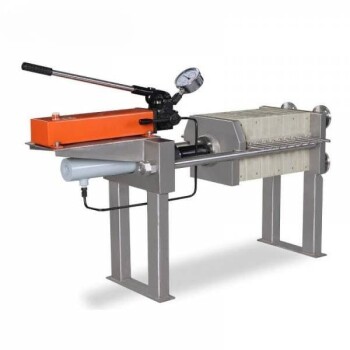
- Hydraulic Diaphragm Lab Filter Press for Laboratory Filtration
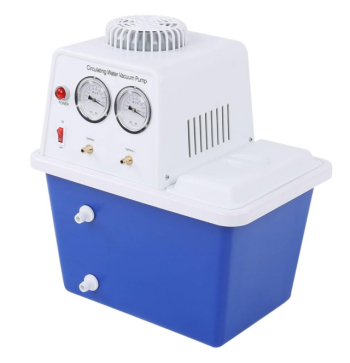
- Circulating Water Vacuum Pump for Laboratory and Industrial Use
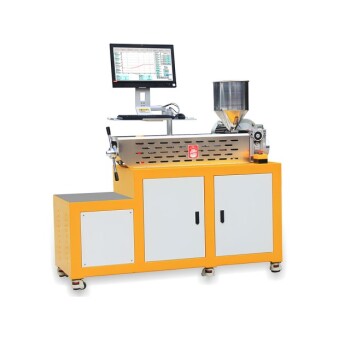
- Filter Testing Machine FPV for Dispersion Properties of Polymers and Pigments
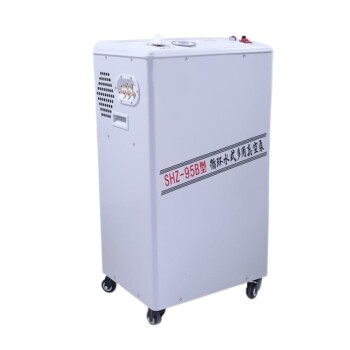
- Laboratory Vertical Water Circulating Vacuum Pump for Lab Use
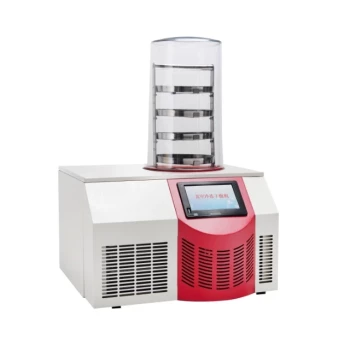
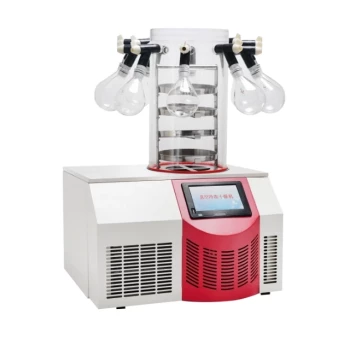
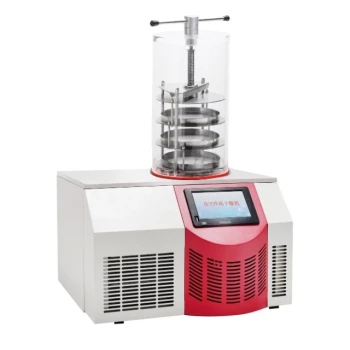
- Benchtop Laboratory Vacuum Freeze Dryer
People Also Ask
- What are the advantages and disadvantages of presses? A Guide to Lab Filter Presses for R&D
- How is a laboratory hydraulic press used in the preparation of modified biochar samples for FTIR analysis? Expert Guide
- What are the safety precautions for filter press? Essential Steps to Prevent High-Pressure Hazards
- What is the capacity of a filter press? A Guide to Volumetric & Throughput Metrics
- What is an example of a hydraulic press? Discover the Power of Laboratory Sample Preparation