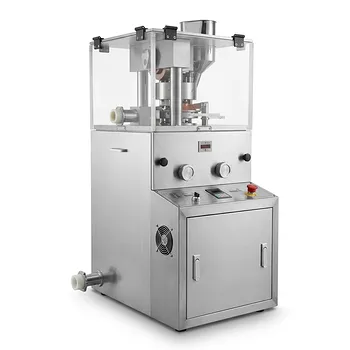
The precision electric rolling press is the critical tool used to thin and densify self-standing electrodes after they are initially formed. By applying precise, uniform pressure across the material, the press eliminates internal micropores and optimizes the physical interface between the active materials and the conductive network. This process is essential for achieving the high volumetric energy density and structural integrity required for high-performance electrochemical devices.
A precision rolling press transforms loose, filtered electrode structures into dense, high-performance films by maximizing particle contact and minimizing porosity. This stage is fundamental to ensuring the electrode can withstand the rigors of cycling while maintaining superior electronic and ionic conductivity.
Enhancing Microstructural Integrity
Eliminating Internal Porosity
The rolling press applies targeted mechanical force to crush internal voids created during the initial filtration or drying phases. This reduction in micropores is vital for creating a continuous path for both electrons and ions throughout the electrode matrix.
Optimizing Contact Surfaces
In self-standing electrodes, the press forces active materials into intimate contact with conductive additives, such as carbon nanotubes (CNTs). This mechanical interlocking significantly reduces interfacial resistance, which is a prerequisite for efficient electronic conduction.
Increasing Tap Density
By thinning the electrode without losing active mass, the press substantially increases the tap density of the material. This allows manufacturers to pack more energy-storing material into the same physical volume, directly improving the volumetric specific capacity of the final cell.
Impact on Electrochemical Performance
Improving Rate Performance
Compaction optimizes the internal electronic conduction paths, allowing for faster charge and discharge cycles. By ensuring tighter contact between particles, the press enables the electrode to handle higher current densities without excessive resistive heating.
Enhancing Structural Stability
A well-pressed electrode exhibits superior mechanical strength, which prevents the active material from shedding or cracking during the natural expansion and contraction of electrochemical cycling. This structural "toughness" is a key driver of long-term battery cycle life.
Facilitating Solid-State Integration
When dealing with solid-state components, a hot rolling press may be used to apply both heat and pressure. This dual-action treatment densifies the film to a point where it can achieve the high ionic transport efficiency necessary for solid-state battery assembly.
Understanding the Trade-offs
The Porosity vs. Permeability Dilemma
While increasing density is generally beneficial, over-compaction can lead to a critical loss of porosity. If pores are closed too tightly, the electrolyte wetting efficiency drops, preventing the liquid electrolyte from reaching the active material in the center of the electrode.
Mechanical Stress and Brittleness
Applying excessive pressure can introduce internal stresses that lead to micro-cracking or brittleness. If the electrode becomes too rigid, it may fail during the subsequent cutting, winding, or stacking processes required for battery assembly.
Precision Control Requirements
Small variations in roller pressure or gap distance can lead to non-uniform electrode thickness. This inconsistency creates "hot spots" during battery operation, where certain areas of the electrode work harder than others, leading to premature failure.
How to Apply This to Your Project
When integrating a precision rolling press into your post-processing workflow, your target settings should align with your specific performance requirements:
- If your primary focus is maximizing energy density: Utilize higher pressure settings to reach maximum tap density, ensuring you do not compress the material beyond the point of electrolyte starvation.
- If your primary focus is high-rate power delivery: Focus on achieving an "ideal" porosity—often around 34%—to maintain a balance between particle contact and rapid electrolyte transport.
- If your primary focus is solid-state battery assembly: Employ a hot rolling press to simultaneously densify the material and improve the interface between the electrolyte and the active material particles.
By mastering the calibration of the rolling press, you ensure that self-standing electrodes transition from fragile laboratory samples into robust, high-performance energy storage components.
Summary Table:
| Key Function | Core Benefit | Impact on Performance |
|---|---|---|
| Densification | Increases tap density | Higher volumetric energy density |
| Porosity Control | Eliminates micropores | Improved electronic & ionic conductivity |
| Particle Contact | Optimizes material interface | Lower resistance & better rate performance |
| Structural Reinforcement | Enhances mechanical strength | Longer cycle life & reduced cracking |
Elevate Your Battery Research with KINTEK Precision
Achieving the perfect balance between electrode density and porosity is critical for high-performance energy storage. KINTEK specializes in advanced laboratory equipment designed for the most demanding research environments. Our precision electric and hot rolling presses provide the uniform pressure and temperature control necessary to transform fragile electrode structures into robust, high-capacity films.
Beyond rolling presses, KINTEK offers a comprehensive suite of battery research tools and consumables, including hydraulic presses (pellet, hot, isostatic), high-temperature furnaces, and specialized electrolytic cells. Whether you are optimizing solid-state interfaces or scaling up self-standing electrode production, our expert solutions ensure consistency, durability, and superior electrochemical results.
Ready to optimize your electrode processing?
Contact KINTEK today to find the perfect equipment for your lab!
References
- Behnoosh Bornamehr, Volker Presser. Surfactant stabilization of vanadium iron oxide derived from Prussian blue analog for lithium-ion battery electrodes. DOI: 10.1039/d3se00854a
This article is also based on technical information from Kintek Solution Knowledge Base .
Related Products
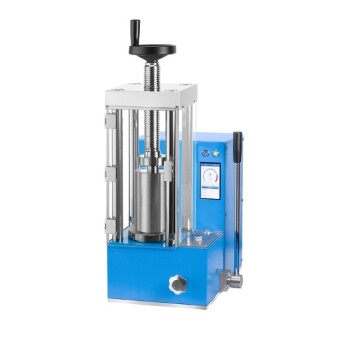
- Single Punch Electric Tablet Press Machine TDP Tablet Punching Machine
- Electric Lab Cold Isostatic Press CIP Machine for Cold Isostatic Pressing
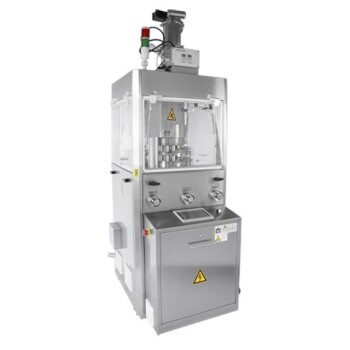
- Single Punch Tablet Press Machine and Mass Production Rotary Tablet Punching Machine for TDP
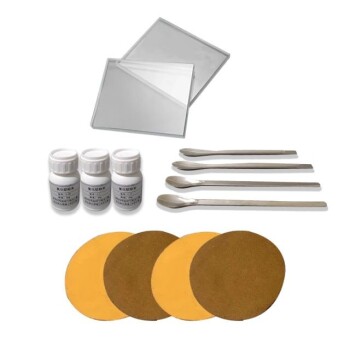
- Electrode Polishing Material for Electrochemical Experiments
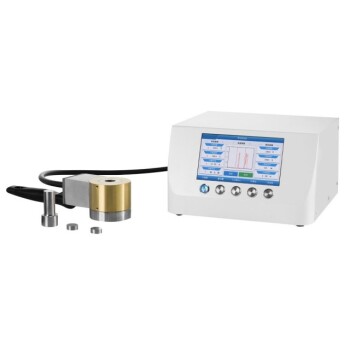
- Laboratory Hydraulic Press Split Electric Lab Pellet Press
People Also Ask
- What is the use of single punch tablet press? For Precise R&D and Small-Batch Tablet Production
- What is a punch tablet press? Precision Tableting for R&D and Small Batches
- What is the advantage of a single punch tablet machine? Ideal for Low-Waste R&D and Formulation Testing
- What are the different parts of a single punch tablet machine? The Core Components Explained
- What is a single punch tablet machine? The Essential Tool for Lab-Scale Tablet R&D