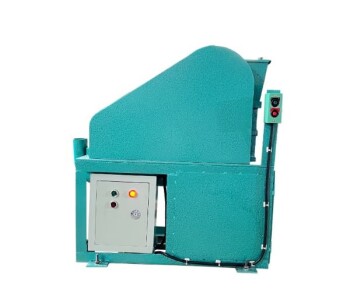
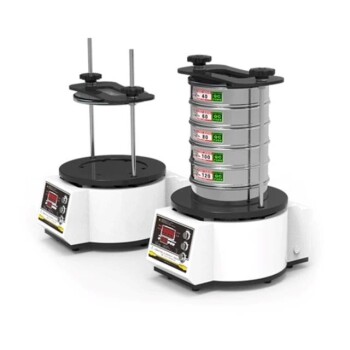
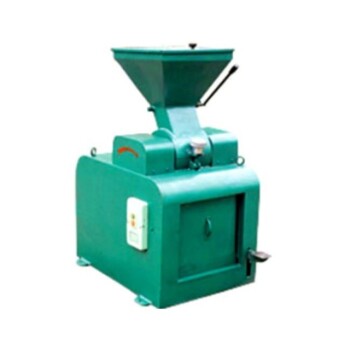
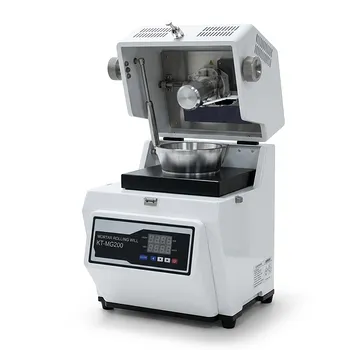
Crushing and sieving systems function as the essential primary stage of mechanical pretreatment by physically altering the structure of algal biomass to prepare it for biological conversion. These systems apply physical force to significantly reduce particle size and, most importantly, disrupt the robust cell walls of microalgae and cyanobacteria to expose their internal organic content.
Core Insight: By fracturing tough cell walls and increasing the surface area available to microorganisms, crushing systems accelerate hydrolysis—the rate-limiting step of anaerobic digestion—thereby unlocking higher methane yields and improving overall conversion efficiency.
The Mechanics of Biomass Preparation
Physical Reduction and Disruption
The primary role of these systems is to subject the biomass to intense physical force. This process breaks down the structural integrity of the material, converting larger aggregates into finer, more manageable particles.
Targeting the Cell Wall
Microalgae and cyanobacteria possess naturally resistant cell walls that act as barriers to degradation. Mechanical crushing is specifically employed to rupture these tough exterior shells.
By breaching this cellular defense, the system releases the intracellular organic matter that would otherwise remain protected from biological breakdown.
Impact on Anaerobic Digestion
Accelerating the Hydrolysis Stage
In the conversion of biomass to methane, hydrolysis is typically the slowest, rate-limiting step. This is where complex organic polymers are broken down into simpler monomers.
Crushing systems advance this stage by mechanically performing the initial breakdown that microorganisms would otherwise have to do slowly. This allows the digestion process to bypass the initial lag phase associated with cell wall degradation.
Maximizing Microbial Accessibility
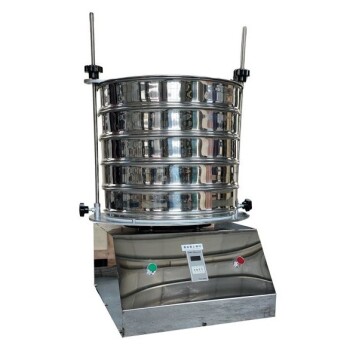
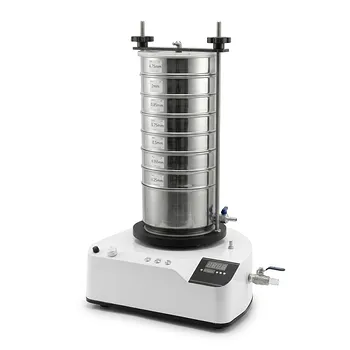
Sieving ensures the biomass is processed into a specific, uniform particle size. This uniformity prevents clogging and ensures consistent processing downstream.
More importantly, smaller particles provide a substantially larger specific contact surface area. This maximizes the interface between the organic matter and the anaerobic microorganisms, allowing for more rapid and complete fermentation.
Understanding the Operational Trade-offs
Energy Input vs. Yield Output
While mechanical pretreatment significantly boosts methane production, it requires energy to operate the grinding and milling equipment.
The Risk of Over-Processing
It is critical to balance the intensity of the crushing with the expected gain in yield. Excessive processing may consume more energy than the additional methane generated is worth, effectively negating the efficiency benefits of the pretreatment.
Making the Right Choice for Your Goal
To optimize your methane production system, align your mechanical pretreatment strategy with your specific operational targets:
- If your primary focus is Speed of Conversion: Prioritize high-intensity crushing to maximize cell wall rupture, which will significantly shorten the retention time required for hydrolysis.
- If your primary focus is Net Energy Efficiency: Optimize the particle size reduction to the point of diminishing returns, ensuring the energy consumed by the crusher does not exceed the energy value of the extra methane produced.
Ultimately, the function of crushing is not just size reduction, but the strategic exposure of organic matter to accelerate biological activity.
Summary Table:
| System Component | Key Function | Impact on Methane Production |
|---|---|---|
| Crushing & Milling | Physical cell wall disruption | Releases intracellular organics; accelerates hydrolysis. |
| Sieving Systems | Particle size uniformity | Ensures optimal surface-to-volume ratio for microbes. |
| Mechanical Force | Structural integrity breakdown | Bypasses the rate-limiting lag phase of digestion. |
| Size Optimization | Surface area maximization | Increases microbial accessibility for faster fermentation. |
Elevate Your Bioenergy Research with KINTEK
Maximize your methane recovery and streamline your biomass processing with precision-engineered equipment. KINTEK specializes in high-performance crushing and milling systems, sieving equipment, and laboratory-scale reactors designed to handle the toughest microalgae and cyanobacteria cell walls.
From sample preparation to large-scale experimentation, our range of products—including homogenizers, shakers, and PTFE consumables—ensures consistent results and optimized energy efficiency for your laboratory or pilot plant.
Ready to optimize your pretreatment workflow? Contact our technical experts today to find the perfect solution for your research goals.
References
- Maria Cecília Oliveira, Magali Christe Cammarota. Microalgae and Cyanobacteria Biomass Pretreatment Methods: A Comparative Analysis of Chemical and Thermochemical Pretreatment Methods Aimed at Methane Production. DOI: 10.3390/fermentation8100497
This article is also based on technical information from Kintek Solution Knowledge Base .
Related Products
- Laboratory Test Sieves and Sieving Machines
- Three-dimensional electromagnetic sieving instrument
- Laboratory Vibratory Sieve Shaker Machine for Dry and Wet Three-Dimensional Sieving
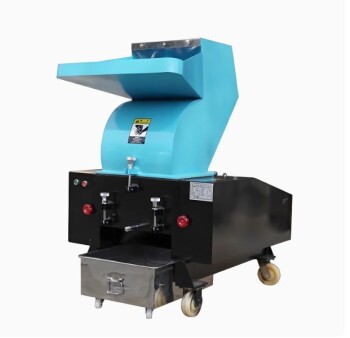
- Powerful Plastic Crusher Machine
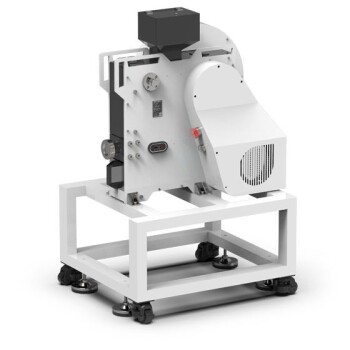
- Laboratory Jaw Crusher
People Also Ask
- What are laboratory test sieves used for? A Guide to Particle Size Analysis
- How do you calculate the sieve test? Master Particle Size Distribution for Quality Control
- How does a lab test sieve contribute to biomass charcoal powder preparation? Achieve Uniform Particle Size
- What are the specifications for test sieves? A Guide to ASTM & ISO Standards for Accurate Particle Analysis
- What materials are required for sieving? Achieve Accurate Particle Size Analysis