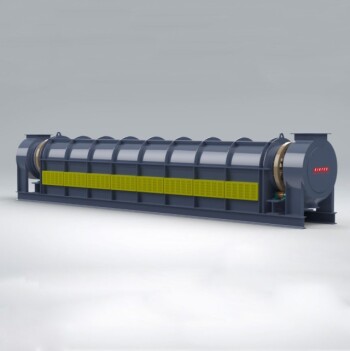
The primary function of a high-temperature pyrolysis furnace is the controlled devolatilization of coconut shell biomass to convert it into a stable solid carbon framework. By subjecting the raw material to precise heating programs within a strictly controlled inert atmosphere, the furnace eliminates volatile components without combustion. This process creates an electrode carbon precursor characterized by high carbon content, initial pore development, and the essential electrical conductivity required for supercapacitors.
The furnace acts not merely as a heating element, but as a tool for microstructural engineering. It transforms raw organic matter into a conductive carbon skeleton, establishing the foundational pore structure that defines the ultimate energy density and cycle life of the supercapacitor.
The Mechanism of Carbon Transformation
Controlled Devolatilization
The furnace operates by creating an environment for anaerobic thermal degradation. As the temperature rises, the equipment drives off volatile organic compounds naturally present in the coconut shells. This removal concentrates the carbon, effectively transitioning the material from a complex organic biomass into a pure solid carbon state.
Strict Atmospheric Regulation
To prevent the biomass from simply burning away into ash, the furnace maintains a rigid inert atmosphere, typically using nitrogen. This oxygen-free environment ensures that the thermal energy breaks down chemical bonds rather than fueling combustion. This control is critical for preserving the mass and structural integrity of the carbon output.
Precision Thermal Profiling
The quality of the carbon precursor depends on how heat is applied. The furnace utilizes specific heating rates and isothermal holding times to manage the transformation. This precise regulation ensures the material is heated uniformly, preventing structural defects that could impede performance later.
Engineering the Microstructure
Establishing the Carbon Skeleton
The pyrolysis process constructs the initial physical framework of the electrode material. By converting the coconut shell into a carbon skeleton, the furnace creates a rigid structure capable of withstanding subsequent chemical processing. This framework provides the mechanical strength necessary for long-term cycle stability in supercapacitors.
Initial Pore Formation
While chemical activation will later expand the surface area, the pyrolysis furnace initiates the development of the pore network. It generates the initial distribution of micropores and interstitial spaces within the carbon matrix. These initial pathways are the precursors that allow electrolyte ions to access the electrode surface.
Enhancing Electrical Conductivity
A supercapacitor’s efficiency relies heavily on how well it conducts electricity. The high-temperature treatment increases the degree of carbonization, which directly correlates to lower electrical resistance. The furnace ensures the resulting precursor has the high conductivity needed for rapid charge and discharge cycles.
Understanding the Trade-offs
The Activation Limitation
It is important to recognize that the pyrolysis furnace primarily creates the precursor, not the final activated carbon. While it establishes initial porosity, the specific surface area generated during pyrolysis alone is often insufficient for high-capacity energy storage. This step must almost always be followed by physical or chemical activation to etch the carbon further and maximize surface area.
Sensitivity to Thermal Ramping
The process is highly sensitive to the rate of heating. If the temperature ramps up too quickly, the rapid release of volatiles can collapse the pore structure or create blockages. Conversely, insufficient heating may leave non-carbon impurities in the matrix, drastically reducing conductivity and electrochemical performance.
Making the Right Choice for Your Goal
To maximize the efficacy of your carbon production line, consider your specific performance targets when configuring your furnace parameters.
- If your primary focus is Electrical Conductivity: Prioritize higher peak temperatures and longer holding times to maximize carbonization and reduce internal resistance.
- If your primary focus is Pore Structure Development: Optimize the heating ramp rate to ensure a gradual release of volatiles, preserving the integrity of the initial microporous network.
Ultimately, the high-temperature pyrolysis furnace defines the potential of your supercapacitor by dictating the purity and structural soundness of the underlying carbon framework.
Summary Table:
| Process Phase | Primary Function | Impact on Supercapacitor Performance |
|---|---|---|
| Devolatilization | Removes volatile organics via anaerobic degradation | Increases carbon purity and mass stability |
| Atmospheric Control | Maintains inert (Nitrogen) environment | Prevents combustion and preserves structural integrity |
| Thermal Profiling | Precise heating rates & isothermal holds | Ensures uniform carbonization and reduces structural defects |
| Carbonization | Increases degree of carbon-to-carbon bonding | Lowers electrical resistance for rapid charge/discharge |
| Pore Initiation | Develops initial micropore network | Creates pathways for electrolyte ion accessibility |
Elevate Your Energy Storage Research with KINTEK
Precision is the difference between ordinary carbon and high-performance electrode materials. At KINTEK, we specialize in advanced thermal solutions, including high-temperature tube, vacuum, and rotary furnaces designed specifically for the rigorous demands of pyrolysis and carbonization.
Whether you are refining coconut shell precursors or engineering next-generation supercapacitors, our equipment provides the uniform heating and strict atmospheric control necessary to maximize conductivity and surface area. Beyond furnaces, we support your entire workflow with crushing and milling systems, PTFE labware, and high-pressure reactors.
Ready to optimize your carbon production? Contact our laboratory specialists today to find the perfect furnace for your specific research goals.
References
- Tsenka Grancharova, Plamen Zagorchev. Photothermal performance of bimetallic Ag-Fe nanoparticles obtained by green synthesis. DOI: 10.21175/rad.abstr.book.2023.30.4
This article is also based on technical information from Kintek Solution Knowledge Base .
Related Products
- 1700℃ Laboratory High Temperature Tube Furnace with Alumina Tube
- High Temperature Muffle Oven Furnace for Laboratory Debinding and Pre Sintering
- Ultra-High Temperature Graphite Vacuum Graphitization Furnace
- Vacuum Heat Treat and Pressure Sintering Furnace for High Temperature Applications
- Vertical High Temperature Graphite Vacuum Graphitization Furnace
People Also Ask
- What functions does a laboratory high-temperature tube furnace perform? Master Catalyst Synthesis & Carbonization
- What roles does a high-temperature tube furnace play in the synthesis of N/O co-doped carbon? Master Precise Doping
- How does a laboratory tube furnace facilitate methane catalyst evaluation & regeneration? Optimize Thermal Performance
- How does a high-temperature tube furnace influence 253MA steel? Master Microstructure & High-Temp Creep Resistance
- Why is a high-temperature tube furnace required for the production of biochar from tobacco straw? Expert Pyrolysis Guide